
Growing Horseradish in Pots: A Practical Container Guide
Grow horseradish in a deep container to control its vigorous roots and make harvesting easier. Here is the pot size, root cutting, soil, watering schedule and fall harvest plan I would use in an Austin garden.
September 26, 2026
By Valeria Navarro
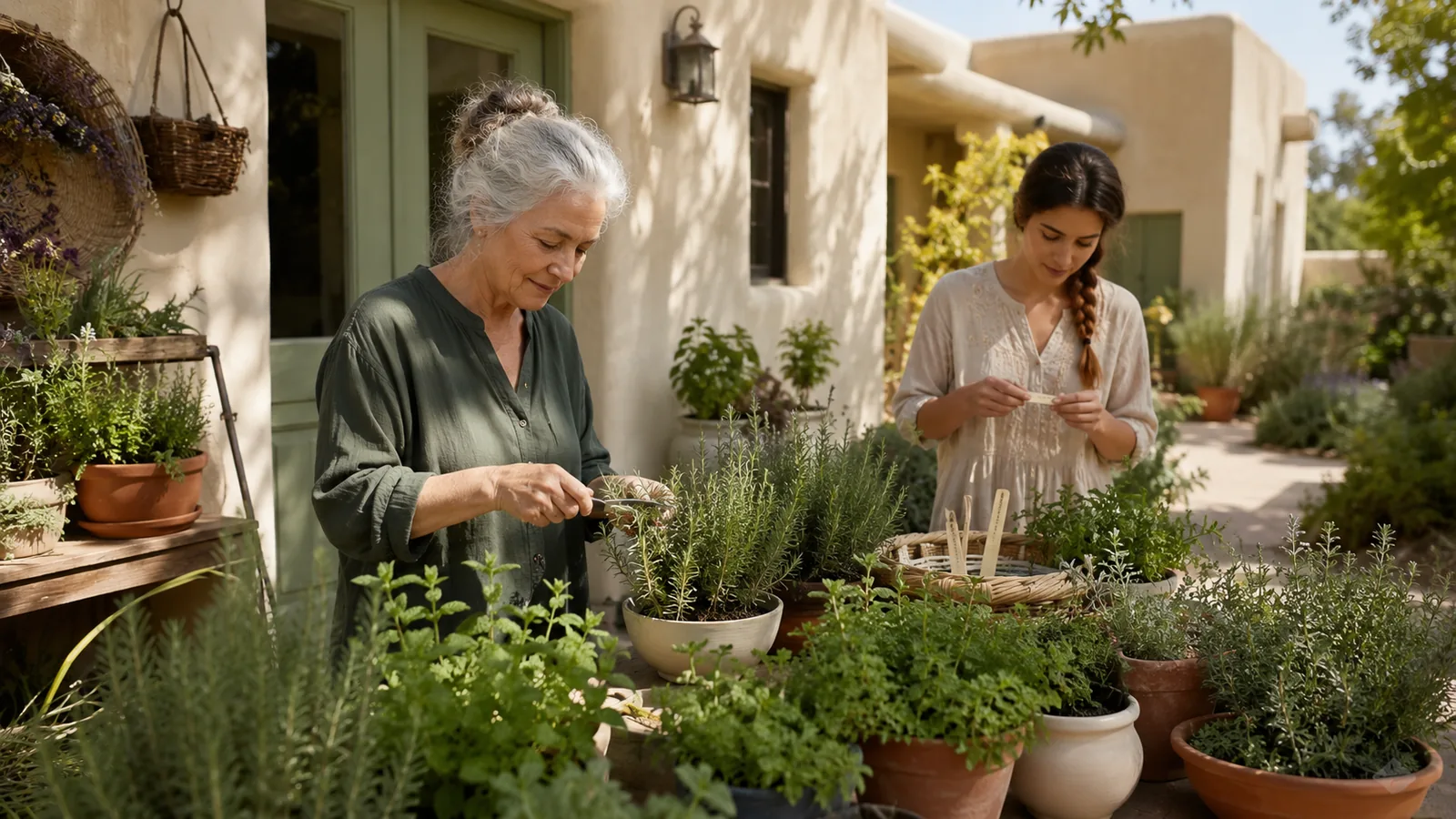
Yes, you can grow horseradish in a pot, and I recommend it because the container keeps its vigorous roots contained. Use a deep 10-gallon pot or 5-gallon bucket with drainage holes, plant a fresh 4 to 6 inch root cutting, and harvest in spring or fall of the first or second year.
What should I know about planting horseradish in containers?
Planting horseradish in containers starts with a fresh root piece, called a set, rather than a tiny seedling. Choose a 4 to 6 inch section, trim the knobby end, and place the thinner tip down at a 45-degree angle with its top about 4 inches below the soil surface.
The RHS growing guide recommends planting long root pieces in a large, deep container in spring or early summer. Since you are standing in the garden in fall, you can prepare the pot now, but save the fresh set for the next suitable planting window unless you already have a healthy root piece.
Do not plant horseradish directly into an open garden bed unless you enjoy finding root fragments three years later. The plant forms a spreading clump, and pieces left behind can regrow. The honest trade-off of the pot is that you must buy or prepare a large container, but that cost is much smaller than trying to remove every wandering root from clay soil.
Before planting, inspect the set. It should feel firm, not soft or shriveled. A dull old root from the grocery drawer may fail, so use a fresh piece from a reliable garden source, then check the plant database for its growing profile and companion details.
What size pot is best for growing horseradish in containers?
The best container is at least 12 inches wide and 24 to 36 inches deep, with a 10-gallon pot offering a comfortable working size. A 5-gallon bucket can work if it is deep enough and has several drainage holes, but a narrower container gives the root less room and makes harvest awkward.
The Gardening Know How container guide specifies a pot depth of 24 to 36 inches. That depth matters more than a pretty rim, because horseradish develops a vigorous taproot that needs vertical space to thicken.
Drill or confirm multiple drainage holes before adding soil. A decorative pot without drainage is not a planting container, it is a root-rot appointment. A plastic nursery pot is light and inexpensive, but it can tip in wind; a heavy ceramic pot stays put but costs more and becomes miserable to move once full.
Keep one plant per container unless you have a very wide vessel. If you grow more than one, give each plant at least 18 to 20 inches of space. Crowding saves one pot today and costs you smaller roots at harvest.
| Container choice | Best use | Honest downside |
|---|---|---|
| 10-gallon pot | Best all-around home setup for one plant | Heavy when filled and more expensive than a bucket |
| 5-gallon bucket with drainage holes | Low-cost trial in a small yard | Narrow space can make root harvest harder |
| 24 to 36 inch deep nursery container | Long-term growing and easier root development | Takes more soil, space and water to manage |
How do I plant a horseradish root set in a pot?
Plant a 4 to 6 inch horseradish set with the thinner tip pointing down at a 45-degree angle, leaving the top of the piece about 4 inches below the soil surface. This angle gives the developing root room to grow downward while the crown reaches upward without sitting at the surface.
Fill the container partway with loose potting mix. Lay the set on the angle, then cover it gently until the top is 4 inches below the surface. Press lightly so the root has contact with the mix, but do not stomp the soil into a brick.
Water slowly after planting until excess runs from the drainage holes. That first watering settles the mix around the set. It also reveals whether the holes are actually open, which is a charming thing to discover before the root is buried.
Label the pot with the planting date. Horseradish is a long game, and by next autumn you will not remember whether that pot was planted in October or February. A label also keeps an enthusiastic helper from pulling the set to see whether anything is happening.
What soil does horseradish need in a container?
Horseradish needs a loose, well-draining, peat-free potting mix enriched with compost, not heavy garden soil packed into a pot. Garden soil can settle and restrict the root, while a free-draining mix gives the taproot room to develop without holding water around it.
Mix a quality peat-free potting medium with compost before filling the container. Compost improves the structure and adds nutrients, but too much compost can shrink as it breaks down, so use it as an amendment rather than filling the entire pot with it. The trade-off is simple: purchased mix costs more, but it is more predictable than digging up sticky soil.
In my Austin yard, I learned this lesson the hard way. Miami’s sandy fill drained before I finished watering; Central Texas clay can hold water and then set like a brick, especially around limestone and caliche. A pot is where I stop asking native soil to behave like a root-friendly medium.
Skip gravel at the bottom. It does not create a magic drainage layer, and it steals valuable root depth. The mix itself needs air, the container needs open holes, and the pot needs to sit where water can escape freely.
How much sun and water does potted horseradish need?
Place potted horseradish in full sun for the strongest growth, although part sun is acceptable. Water about twice a week while the leaves are becoming established, then keep the mix consistently moist but not soggy, reducing watering as fall and winter cool the container.
The Chopping Block growing instructions recommend watering twice weekly until the leaves reach 4 or 5 inches tall. Once the plant is established, check the mix with your finger before watering rather than following a rigid calendar.
If the top inch feels dry, water slowly until it drains from the holes. If the mix feels wet, wait. Soggy soil is the real enemy here, and a saucer full of standing water turns an otherwise sturdy plant into a stressed one.
Sun has a cost in a container. Full sun grows the plant well, but a dark pot can heat the root zone quickly during an Austin summer. Part shade reduces heat stress but may slow growth, so choose morning sun and afternoon protection if your only available spot becomes a furnace by July.
Who is growing horseradish in a pot actually for?
Growing horseradish in a pot suits a gardener with a sunny patio, balcony, small yard or difficult soil who wants control over a vigorous root crop. It suits you especially well if you rent, garden in alkaline clay, or need to harvest without digging through a permanent bed.
Ignore this project if you only have a shallow six-inch planter, a spot that stays wet, or no patience for a crop that may need one or two growing years before a substantial harvest. Horseradish is low-maintenance after establishment, but it is not instant.
A container also makes sense for anyone who has watched a root crop escape. The RHS specifically advises against open-ground planting because horseradish can root deeply and regrow from sections left behind. That is not drama. That is the plant doing exactly what it was built to do.
Ask yourself one practical question: can you keep this pot watered through the hottest six weeks of your summer? If the answer is no, wait until you can place it near a hose or irrigation line. A neglected container dries faster than a bed, and no cheerful label can change that.
How should I fertilize horseradish in a pot?
Feed established horseradish in early spring with a low-salt, balanced fertilizer suitable for heavy-feeding container plants. Continue regular watering through the growing season, but do not keep adding fertilizer because the leaves look dramatic; excess salts can build up in a pot and damage roots.
The Scenic Hill Farm instructions identify horseradish as a heavy feeder and recommend a low-salt fertilizer intended for containers. Follow the product label for the container volume rather than guessing with a handful.
Early spring feeding supports the vigorous top growth that occurs before the root stores starch later in the season. The trade-off of fertilizer is speed and size in exchange for another job on your garden calendar. If you skip feeding, the plant may still grow, but the root can be less impressive.
Do not fertilize a freshly planted set immediately. Let it settle and begin growing first. In fall, your task is observation: keep the mix from drying completely, remove tired leaves, and wait for the plant’s next active growth period.
When can I harvest horseradish from a pot?
Harvest horseradish roots in spring or fall during the first or second year after planting, when the roots have had time to thicken. Gently dig around the plant, take the largest roots, leave part of the root system in place, and replant a few healthy pieces for a continuing supply.
Late autumn is a useful inspection point because faded foliage can be cut back, but do not yank the whole plant just to satisfy curiosity. Use a narrow hand trowel and work down the inside edge of the container, lifting the mix gradually until you reach the root.
Select the largest root sections for your kitchen or storage, then return a portion of the root system to the container. Replanting a few harvested pieces keeps the crop going, but expect the pot to become crowded over time. That is the trade-off of a continuous supply: more roots to manage and eventually a need to refresh the container.
The Old Farmer’s Almanac guidance also recommends regular spring or fall harvests to limit rampant root spread and disease buildup. In a pot, regular harvest is less about stopping escape and more about keeping the root system productive instead of letting the container become a tangled knot.
Can horseradish stay in a container through winter?
Horseradish can stay in its container through winter if the pot drains freely and the mix is kept lightly moist rather than saturated. Cut back faded foliage in late autumn, reduce watering as temperatures cool, and protect the container from repeated freeze and thaw if severe weather is forecast.
A pot exposes roots to colder swings than the ground does. Move the container against a sheltered wall if a hard freeze is coming, but do not bring a large pot into a hot living room and keep it actively growing. The goal is protection from extreme swings, not a tropical vacation.
Here in Austin, I plan around the fact that February can still surprise a garden. Keep the pot off a spot where roof runoff floods it, and check drainage after heavy rain. A covered porch may protect the container from saturation while still providing a cool resting period.
Spring is when you reassess. If the plant has strong new growth, feed it with the labeled amount of low-salt balanced fertilizer. If the mix has collapsed or the root fills the pot, refresh the medium and replant selected pieces rather than forcing the whole crowded clump to continue.
Is horseradish easy to grow in a pot?
Horseradish is easy to grow in a pot once you provide a deep container, drainage, sun and regular moisture. The difficult part is not daily care; it is committing to a 24 to 36 inch deep pot and waiting until the first or second year for the best harvest.
That depth is the part people skip, usually because a small planter looks perfectly respectable at the garden center. It is not enough. A shallow pot restricts the taproot and gives you a smaller, more awkward harvest.
Choose a container with drainage holes, use loose peat-free mix, and check moisture twice weekly while the set establishes. After the leaves reach about 4 or 5 inches, shift to checking the soil rather than watering by habit.
Can I grow horseradish in a five-gallon bucket?
You can grow horseradish in a five-gallon bucket if it has several drainage holes and is deep enough for the root, but a 10-gallon pot is more comfortable. The bucket is inexpensive and practical; its honest downside is that its narrower shape can make root development and harvesting less convenient.
Wash the bucket first and drill drainage holes across the base. Do not use a sealed bucket and assume a layer of rocks will fix it. Water must leave through the bottom, or the roots sit in wet mix.
Keep one plant in the bucket. Although horseradish can be spaced 18 to 20 inches apart when growing several plants, a five-gallon bucket is best treated as a one-root project.
How deep should a container be for horseradish?
A container for horseradish should be 24 to 36 inches deep and at least 12 inches wide. That depth gives the vigorous taproot room to develop, while the width supports one plant without forcing the root into a crowded, difficult-to-harvest mass.
A 10-gallon container is a sensible home choice, although the final size depends on its shape. Measure the inside depth, not the decorative outside height, because a thick rim or false bottom can steal several inches.
The trade-off is weight. A deep container filled with potting mix is difficult to move, so place it near its permanent growing position before watering and planting.
Does horseradish need full sun in a pot?
Horseradish grows best in full sun, but it can tolerate part sun in a container. Full sun supports strong growth, while part shade can help reduce heat stress in a dark pot during very hot weather, though slower growth may reduce the eventual root size.
Aim for several hours of direct sun, especially morning sun. Avoid a spot that stays wet after rain, even if it is bright. Light cannot compensate for poor drainage.
In a hot Austin location, afternoon shade beside a wall can be a reasonable compromise. Watch the pot rather than worshipping the exposure label, because the same “full sun” position can be gentle in October and punishing in July.
When should I harvest potted horseradish?
Harvest potted horseradish in spring or fall during the first or second year after planting. Dig carefully around the root, take the largest sections, leave part of the root system intact, and replant a few pieces so the container can keep producing.
Fall harvest works well after the foliage fades, while spring harvest catches the plant before strong new top growth. Either season lets you inspect the root without treating the whole plant as disposable.
Use a narrow tool and lift slowly. Every root piece matters, because leftover sections can regrow. That is useful for your next crop and another reason a container beats an open bed.
Should I plant horseradish directly in my garden bed?
You should usually plant horseradish in a container rather than directly in a garden bed because its vigorous roots can spread, grow deeply and regrow from pieces left behind. A pot costs more at the start, but it prevents years of chasing stray roots through soil.
The RHS guide recommends a large, deep container and warns against open-ground planting. Follow that advice especially in loose soil, where root fragments can travel more easily.
If you already planted it in the ground, harvest regularly and dig carefully for remaining pieces. Do not assume one harvest removes everything. Horseradish is persistent, which is charming in a pot and exhausting in a bed.
How often should I water horseradish in a container?
Water horseradish about twice a week until the leaves reach 4 or 5 inches tall, then keep the potting mix consistently moist but not soggy. Reduce watering in cooler weather and always check the mix first, because rain, shade and container material change how quickly it dries.
Water deeply enough for excess to drain from the holes. A quick splash only wets the surface and leaves the lower root zone dry, especially in a tall container.
The honest trade-off of container growing is attention. You control the soil and roots, but you also need to notice dry mix sooner than you would in a deep garden bed.
Want a plan for your own yard?
Tell us the space and we will put a planting plan together for it. Start at get my concept, or browse what actually grows where you are over on plants.
Frequently asked questions
Is horseradish easy to grow in a pot?
Horseradish is easy to grow in a pot once you provide a deep container, drainage, sun and regular moisture. The difficult part is not daily care; it is committing to a 24 to 36 inch deep pot and waiting until the first or second year for the best harvest.
Can I grow horseradish in a five-gallon bucket?
You can grow horseradish in a five-gallon bucket if it has several drainage holes and is deep enough for the root, but a 10-gallon pot is more comfortable. The bucket is inexpensive and practical; its honest downside is that its narrower shape can make root development and harvesting less convenient.
How deep should a container be for horseradish?
A container for horseradish should be 24 to 36 inches deep and at least 12 inches wide. That depth gives the vigorous taproot room to develop, while the width supports one plant without forcing the root into a crowded, difficult-to-harvest mass.
Does horseradish need full sun in a pot?
Horseradish grows best in full sun, but it can tolerate part sun in a container. Full sun supports strong growth, while part shade can help reduce heat stress in a dark pot during very hot weather, though slower growth may reduce the eventual root size.
When should I harvest potted horseradish?
Harvest potted horseradish in spring or fall during the first or second year after planting. Dig carefully around the root, take the largest sections, leave part of the root system intact, and replant a few pieces so the container can keep producing.
Should I plant horseradish directly in my garden bed?
You should usually plant horseradish in a container rather than directly in a garden bed because its vigorous roots can spread, grow deeply and regrow from pieces left behind. A pot costs more at the start, but it prevents years of chasing stray roots through soil.
Free, no obligation
Ready to design your dream landscape? Start here.
Tell us where you are and we will start a free profile for you, with plants that actually survive your climate and a real sense of what the build would cost.