
Growing Green Beans in a Pot: A Practical Container Guide
Growing green beans in a pot is simple if you match the container to the bean type, use a loose potting mix, and keep moisture steady. Here is the exact pot size, spacing, support, watering routine, and harvest timing I would use for a fall container garden.
September 25, 2026
By Valeria Navarro
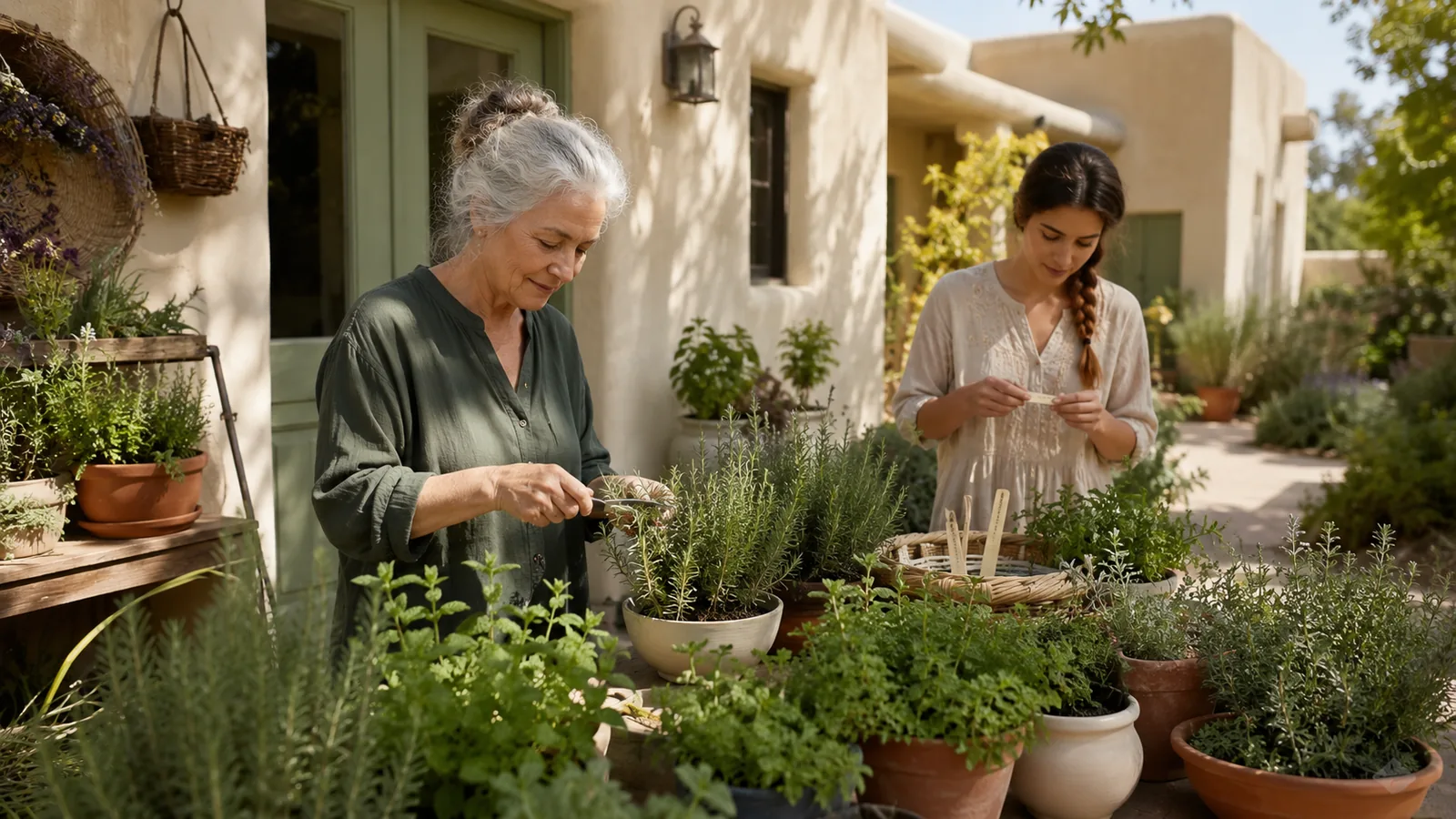
Growing green beans in a pot works best with a 5 to 10 gallon container for bush beans or a 10 to 15 gallon container for pole beans. Plant seeds 1 inch deep in a loose mix, give the pot 5 to 7 hours of direct sun, and keep the soil moist but never waterlogged. That is the whole game, mi gente, but the details decide whether you get dinner or three brave little leaves.
What size pot do green beans need?
Bush green beans need a container at least 12 to 14 inches deep and 5 to 10 gallons in volume. Pole beans need more root room, so use a 10 to 15 gallon pot. Bigger is not automatically better, but a cramped container dries faster and gives you less room for steady production, according to this container sizing guide.
Choose a pot with drainage holes. A plastic container is light and inexpensive, but it can heat up and tip if a tall vine catches wind. A fabric grow bag drains well and is easy to move, though it dries faster around the sides and usually needs more frequent watering.
For bush beans, I would use one 7 to 10 gallon pot rather than several tiny pots. Set the container where you want it before filling it. Once that mix is wet, your back will have opinions.
For pole beans, leave room for the support above the pot and around its rim. A 10 to 15 gallon container gives the roots space while keeping the whole arrangement more stable.
Should you grow bush or pole beans in a container?
Choose bush beans if you want the simpler container project. They fit a 5 to 10 gallon pot, need no trellis, and can be spaced about 7 inches apart. Choose pole beans if you want vertical growth and a longer picking routine, but accept the cost of a larger pot, sturdy support, and more tying or guiding as vines climb.
| Bean type | Container and spacing | Support | Honest downside |
|---|---|---|---|
| Bush beans | 5 to 10 gallons, 12 to 14 inches deep, seeds 7 inches apart | Not required | A single flush of pods can arrive quickly, so you must harvest promptly |
| Pole beans | 10 to 15 gallons, seeds 4 to 5 inches apart | Required, sturdy and vertical | The vines add weight and wind resistance, so a weak support can tip the pot |
Bush beans are my pick for a first container. They are less fussy about structure, and they let you learn the rhythm of watering and picking without building a small bean skyscraper on day one.
Pole beans make sense beside a railing, wall, or strong trellis location. The vines use height efficiently, but the support is not optional decoration. It is part of the planting plan.
What soil mix is best for growing green beans in containers?
Use equal parts quality potting soil, compost, and perlite or vermiculite, aiming for a slightly acidic pH around 6.5. This combination gives roots air, holds moisture, and supplies organic matter without turning the pot into a brick. A well-draining container mix guide supports this basic recipe.
Potting soil is the main body of the mix, but it costs more than digging from the yard. Do not replace it with heavy garden soil in a pot. Garden soil can compact, drain poorly, and leave roots sitting in a wet lump.
Compost adds organic matter and nutrients, but its quality varies from bag to bag. Buy a finished compost that smells earthy, not sour. Too much compost can make a container mix dense, so keep it to one equal part.
Perlite improves drainage and air space, but it is lightweight and can float or spill during watering. Vermiculite holds more moisture, which can help in a dry spot, but it is not the choice I would make for a pot that already stays wet.
You can check the mix pH with a soil meter, as the organic bean growing guide recommends testing and adjusting based on the soil's needs. Do not chase a number every afternoon. Mix well first, then test once before planting.
How do you plant green beans in pots?
Plant green bean seeds about 1 inch deep, then water the container thoroughly so the entire mix settles around them. Space bush bean seeds about 7 inches apart and pole bean seeds 4 to 5 inches apart. Those close spacings are intentional, and they come from the same planting guidance used for both bean types in this bean growing reference.
For a bush bean pot, mark the surface in a simple grid. Put seeds 7 inches apart, cover them with mix, and press gently. Do not bury them deeper because you are worried about birds. Deep planting is not a substitute for protection.
For pole beans, place seeds 4 to 5 inches apart near the support, but not directly against a pole or netting. The seedlings need a clear path upward, and the support should already be installed before the vines need it.
Water slowly until water comes from the drainage holes. That first deep watering removes dry pockets in the mix. Afterward, check the surface and the pot weight instead of watering by calendar alone.
Standing in my Austin yard, I think about my abuela's Miami patio, where sandy fill drained before I finished watering, then I look at Central Texas clay and remember that a container needs a middle path. Loose mix, steady moisture. Not soup, not dust.
How much sun and water do green beans in pots need?
Give green beans 5 to 7 hours of direct sunlight each day and keep the potting mix consistently moist but not waterlogged. Check the container with your finger each morning, especially during a hot fall stretch. Water thoroughly when the mix begins to dry, but stop when drainage begins below the pot, as this watering guidance explains here.
A sunny location supports growth, but a dark container in intense afternoon heat may dry quickly. The trade-off is simple: more sun can mean more growth and more watering. Put the pot where you can reach it easily, because a container you cannot check becomes a neglected container.
Do not keep adding small sips of water. That wets only the top layer and leaves the lower roots thirsty. A full watering is better, followed by a check the next day.
Mulch around the base in a thin layer to help retain moisture and moderate soil temperature. Mulch reduces evaporation, but it can hide a wet surface, so always feel the mix beneath it before watering.
If your fall garden is already receiving fewer than 5 hours of direct sun, move the pot before blaming the seeds. Beans can be forgiving, but they are not magical. Even my dead basil had a reason, and usually that reason was me pretending a shady corner counted as sun.
Do green beans in pots need fertilizer?
Apply a high-nitrogen fertilizer once after seedlings emerge, using a balanced organic blend according to the label. This single feeding supports rapid leaf growth without turning fertilizing into a weekly ritual. Too much fertilizer can waste money and encourage excessive leafy growth, so the trade-off is restraint, not more product, as described in this fertilizing guide.
Wait until seedlings have emerged. Fertilizing a bare pot does not feed roots that are not actively growing, and it can leave unused nutrients in the mix.
A balanced organic blend is gentler in feel and often slower to release than a synthetic liquid fertilizer, but it still needs careful measuring. More is not more. Read the package directions for the container volume you are using.
Compost already contributes nutrients, so count it as part of the soil plan. The fertilizer is a single support step, not permission to keep pouring products into the pot every weekend.
How do you support pole beans in a container?
Install a sturdy vertical support before pole bean vines climb, using a trellis, cattle panel, or netting. The support improves air circulation and gives the vines a clear route upward, but it must also handle the weight and wind of a mature container planting. Bush beans can remain free-standing and do not need this extra structure.
A trellis gives the neatest garden look, but it costs money and must be anchored well. Netting is often cheaper and lighter, though it can sag or become difficult to remove at the end of the season. A cattle panel is strong and reusable, but it is bulky to transport and position.
Attach the support before sowing. If you wait until vines are tangled, you risk breaking tender growth while trying to rescue the planting. Guide the first runners gently rather than pulling them tight.
Keep the support inside the pot or firmly secured behind it. A tall frame attached only to a lightweight container can turn the whole garden into a sail. Diego builds, I design, and we still disagree about gravel, but we both agree that wobbly supports are bad engineering.
Who is growing green beans in containers a good project for?
Growing green beans in containers suits a gardener with 5 to 7 hours of sun, a place for a 5 to 15 gallon pot, and enough time to check moisture most days. It is especially useful for a balcony, patio, rental home, or yard with poor ground soil. Skip it if you cannot provide drainage, sunlight, or regular watering.
Choose bush beans if you want the lowest-maintenance setup. They suit a first edible container, a narrow patio, or anyone who does not want to build a support. The trade-off is less vertical use of space and a harvest that may arrive in a concentrated flush.
Choose pole beans if you have a secure trellis location and enjoy picking regularly. They make better use of height, but the pot is larger, the structure is necessary, and wind becomes a real concern.
This is not the right project for a pot tucked behind a shed. Five hours of direct light is a minimum from the research, and a plant hidden from your daily path will also be harder to water and harvest.
If you are planning several containers and cannot decide where to begin, use get a concept for your yard to map the sunny spots before you buy soil or supports. Measure first. Garden centers are very happy to sell you a pot that does not fit your life.
When should you harvest green beans from a pot?
Harvest green bean pods when they are tender and about 4 to 6 inches long, picking regularly to encourage continued production through the season. Check the plants every day or two once pods appear. Waiting too long gives you larger, tougher pods and leaves fewer reasons for the plant to keep producing.
Use your fingers or clean snips to remove pods without yanking the vine. The trade-off with frequent picking is time, but that small routine protects tenderness and keeps the container productive.
Pick the beans you can see, then look under the leaves. Pole bean vines hide pods especially well, while bush beans can produce a quick group at the same height.
Keep watering consistently during harvest. A pot that swings from soaked to dry is harder to manage than one checked briefly each morning. Mulch can help retain moisture, but it does not replace checking the soil.
You can review named bean varieties and their growing habits in the plant database before choosing seeds. Start with the container size you can manage, not the variety that promises the tallest vines on the packet.
What questions come up about planting green beans in pots?
The best container plan is simple: choose bush or pole beans first, size the pot correctly, mix a loose growing medium, and build watering into your daily garden walk. The questions below cover the mistakes I see most often, especially from gardeners trying to squeeze a full vegetable patch into one patio pot.
How deep should I plant green bean seeds in a pot?
Plant green bean seeds about 1 inch deep in a well-draining container mix. Cover them evenly and water thoroughly after sowing so the mix settles around the seeds. Planting deeper does not improve the crop, and the seed may struggle to emerge. This depth follows the guidance in the bean planting reference.
How many green bean plants can I grow in one pot?
Space bush bean seeds about 7 inches apart and pole bean seeds 4 to 5 inches apart in a properly sized container. A 5 to 10 gallon pot suits bush beans, while pole beans need 10 to 15 gallons. Do not crowd extra seeds into a small pot, because root room and moisture consistency matter more than a packed surface.
Can bush green beans grow in a pot without a trellis?
Yes, bush green beans can grow in a pot without a trellis because they are free-standing. Use a container at least 12 to 14 inches deep and 5 to 10 gallons in volume, then space seeds about 7 inches apart. The trade-off is that bush beans do not use vertical space and may produce a concentrated harvest.
Do pole green beans need a trellis in a container?
Yes, pole green beans need a sturdy vertical support in a container. Install a trellis, cattle panel, or netting before the vines climb, and use a 10 to 15 gallon pot for root room and stability. The support improves climbing and air circulation, but it also adds cost, height, wind resistance, and setup time.
How often should I water green beans growing in containers?
Water green beans whenever the container mix begins to dry, keeping it consistently moist but not waterlogged. Check the pot daily because sunlight, container material, and weather change how quickly it dries. Water thoroughly until drainage begins, then check again rather than following a rigid schedule. Mulch can reduce moisture loss, but it cannot replace that check.
When are green beans ready to harvest from a pot?
Green beans are ready to harvest when the pods are tender and about 4 to 6 inches long. Pick regularly, checking every day or two once pods begin forming, because mature pods can become tough and overlooked pods can reduce continued production. Harvest gently so you do not damage the vines or support.
More questions people ask about this
How deep should I plant green bean seeds in a pot?
Plant green bean seeds about 1 inch deep in a well-draining container mix. Cover them evenly and water thoroughly after sowing so the mix settles around the seeds. Planting deeper does not improve the crop, and the seed may struggle to emerge. This depth follows the guidance in the bean planting reference.
Want a plan for your own yard?
Tell us the space and we will put a planting plan together for it. Start at get my concept, or browse what actually grows where you are over on plants.
Frequently asked questions
How deep should I plant green bean seeds in a pot?
Plant green bean seeds about 1 inch deep in a well-draining container mix. Cover them evenly and water thoroughly after sowing so the mix settles around the seeds. Planting deeper does not improve the crop, and the seed may struggle to emerge. This depth follows the guidance in the bean planting reference.
How many green bean plants can I grow in one pot?
Space bush bean seeds about 7 inches apart and pole bean seeds 4 to 5 inches apart in a properly sized container. A 5 to 10 gallon pot suits bush beans, while pole beans need 10 to 15 gallons. Do not crowd extra seeds into a small pot, because root room and moisture consistency matter more than a packed surface.
Can bush green beans grow in a pot without a trellis?
Yes, bush green beans can grow in a pot without a trellis because they are free-standing. Use a container at least 12 to 14 inches deep and 5 to 10 gallons in volume, then space seeds about 7 inches apart. The trade-off is that bush beans do not use vertical space and may produce a concentrated harvest.
Do pole green beans need a trellis in a container?
Yes, pole green beans need a sturdy vertical support in a container. Install a trellis, cattle panel, or netting before the vines climb, and use a 10 to 15 gallon pot for root room and stability. The support improves climbing and air circulation, but it also adds cost, height, wind resistance, and setup time.
How often should I water green beans growing in containers?
Water green beans whenever the container mix begins to dry, keeping it consistently moist but not waterlogged. Check the pot daily because sunlight, container material, and weather change how quickly it dries. Water thoroughly until drainage begins, then check again rather than following a rigid schedule. Mulch can reduce moisture loss, but it cannot replace that check.
When are green beans ready to harvest from a pot?
Green beans are ready to harvest when the pods are tender and about 4 to 6 inches long. Pick regularly, checking every day or two once pods begin forming, because mature pods can become tough and overlooked pods can reduce continued production. Harvest gently so you do not damage the vines or support.
Free, no obligation
Ready to design your dream landscape? Start here.
Tell us where you are and we will start a free profile for you, with plants that actually survive your climate and a real sense of what the build would cost.