
How to Grow Garlic in a Pot This Fall
You can grow full garlic bulbs in a container if you choose a deep, frost-proof pot, plant cloves 3 to 4 inches apart, and give them sun, steady moisture, and winter chill. Here is the exact fall planting plan, from pot size and soil to spring feeding and harvest.
September 25, 2026
By Valeria Navarro
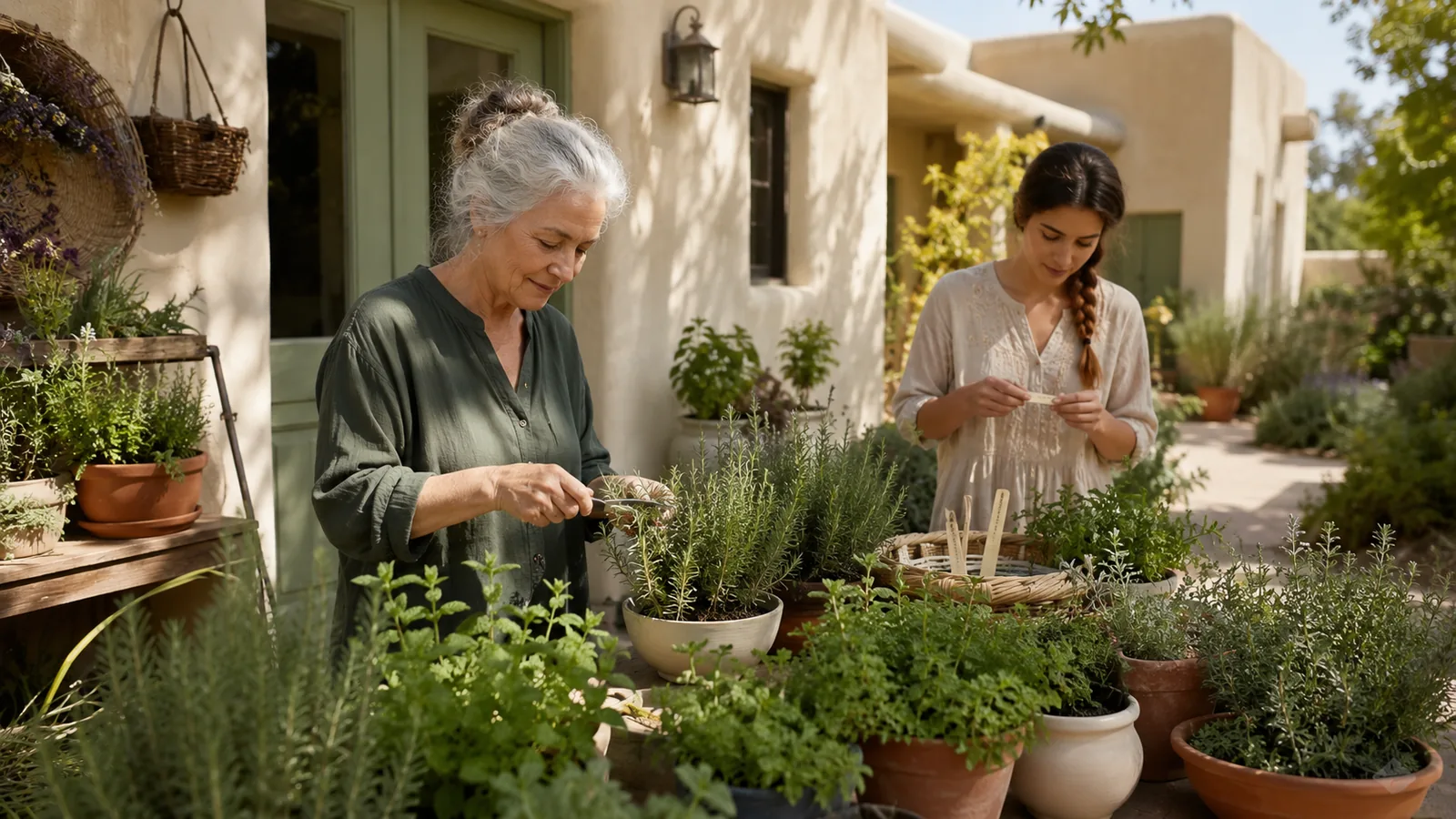
Garlic grows beautifully in a pot when you use a container at least 12 inches deep, plant cloves 2 to 3 inches deep and 3 to 4 inches apart, and give the pot six hours of direct sun. Plant in fall, keep the mix lightly moist but never soggy, and let the bulbs have 8 to 10 weeks of winter chill before harvesting in about six to nine months.
I take a clear position here: a roomy plastic or glazed pot is a better garlic container than a tiny terracotta pot, because garlic needs root space and terracotta can crack during a hard freeze. This is one of those projects that looks easy until somebody plants twelve cloves in a coffee can. Please do not be that somebody.
Can you grow garlic in a pot?
Yes, you can grow healthy garlic bulbs in a pot, and containers are often easier to manage than heavy garden soil. A pot gives you control over drainage, soil texture, and placement, but it still needs enough depth, sun, moisture, and winter cold to form a proper bulb instead of producing only leaves. Gardener's Path explains that containers also let you move garlic away from excessive rain.
Choose disease-free seed garlic rather than cloves saved from a grocery bulb. Seed garlic costs more, but it is selected for planting and gives you a better starting point; grocery garlic may be treated, poorly adapted, or carrying disease.
A container is especially useful if your yard has dense clay, poor drainage, or no planting bed. Here in Austin, Blackland Prairie clay can hold water like a bathtub and then crack open by August. A pot lets you use a lighter mix instead.
You still need patience. Garlic planted this fall will not be dinner next weekend. It usually takes six to nine months, and the pot occupies its sunny spot through winter and spring.
What size pot is best for growing garlic?
Use a frost-proof container at least 12 inches deep and 12 to 15 inches wide, with drainage holes, and allow 3 to 4 inches between cloves. A wider pot holds more cloves, but depth is not optional because garlic needs room for roots and a developing bulb. This spacing agrees with guidance from Lowe's.
My favorite choice is a heavy-wall plastic, glazed ceramic, fiberstone, or similarly sturdy pot. Plastic is light and inexpensive, but it can become brittle after years in the sun. Glazed ceramic looks lovely and resists freezing better than unglazed terracotta, but it is heavy and can still crack if water freezes inside it.
Fiberstone is durable and relatively light, but it usually costs more. Terracotta breathes well, yet it dries quickly and may crack in freezing weather. The pot trade-off is simple: cheap and light is convenient, while thick and frost-proof protects your crop.
Use several smaller pots if you want different varieties. Do not crowd one enormous container with cloves planted shoulder to shoulder. Each clove needs its own 3 to 4 inches of growing room.
| Container choice | Best use | Honest downside |
|---|---|---|
| Heavy plastic | Budget planting and easy moving | Can fade or become brittle in strong sun |
| Glazed ceramic | A permanent, attractive patio pot | Heavy, expensive, and still breakable |
| Fiberstone | Large containers that need frost resistance | Usually costs more than plastic |
| Terracotta | Good airflow in mild weather | Dries quickly and may crack during freezing weather |
Which garlic should you plant in a pot this fall?
Plant hardneck garlic in fall if you want strong bulbs and curly scapes in early summer; choose softneck garlic for early spring planting or milder conditions. Hardneck types need winter chill, while softneck types are more flexible, but both need disease-free cloves and a well-drained container. The Almanac explains that cold temperatures help garlic form bulbs rather than only greens.
For the project standing in front of you now, I would plant hardneck seed garlic. Fall is the right window for it, and the winter chilling period supports bulb formation. The trade-off is that hardneck garlic often stores for less time than softneck garlic, so you gain flavor and scapes but lose some storage life.
Separate the bulb into individual cloves just before planting. Keep the papery skin on each clove. The largest healthy cloves usually make the most useful planting material, but buying larger cloves costs more at the start.
You can browse garlic and other named plants in our plant database before choosing a variety. Read the variety description, then match it to your local winter rather than buying a pretty label and hoping for the best.
How do you plant garlic cloves in a pot?
Fill the container with light, well-draining potting mix made for edible crops, blending about one-third compost or aged manure into the mix. Plant each clove with its pointed end up, 2 to 3 inches deep, and 3 to 4 inches from its neighbors. Water thoroughly after planting so the mix settles around the cloves.
Do not use garden soil in the pot. It is heavy, drains poorly in a container, and may bring weed seeds or disease. Potting mix costs more than digging soil from the yard, but it gives roots air and keeps the container from becoming a brick.
Use a quality seed-starting or vegetable potting mix as the base. Seed-starting mix is light and easy to work, but it is not always rich enough for a six-month crop. A vegetable mix feeds better, though some inexpensive mixes collapse or stay too wet.
Add compost or aged manure at roughly one-third of the final volume. Compost improves structure and fertility, but too much can hold excess moisture or provide uneven nutrients. Aged manure can be useful, but only if it is properly finished. Fresh manure is too strong for this job.
Planting sequence matters:
- Cover the drainage holes with a small piece of mesh if needed, without blocking them.
- Fill the pot to within 2 inches of the rim.
- Separate the garlic bulb into cloves.
- Set cloves pointy end up, 2 to 3 inches deep.
- Leave 3 to 4 inches between cloves and between the cloves and the pot wall.
- Water slowly until excess drains from the bottom.
How much sun and water does potted garlic need?
Give potted garlic at least six hours of direct sun each day and keep the mix consistently moist, usually about one-half to one inch of water per week. Check several inches below the surface before watering because the top can look dry while the root zone remains wet. Garlic hates soggy soil, and wet cloves can rot.
Put the pot where it receives morning through afternoon sun. A south-facing or west-facing position can work, but a west-facing patio may bake the container in Austin during summer. The trade-off is light versus heat, so use a larger pot or shift it slightly if the foliage wilts repeatedly.
To check moisture, push a finger or narrow trowel about 4 inches down, a couple of inches away from a clove. If the mix feels moist there, wait. If it feels dry, water deeply until water leaves the drainage holes. This deeper check is also recommended by Gardener's Path.
Everyone says to water on a schedule. In practice, weather wins because a week of rain can leave a pot saturated, while a sunny, windy week can dry it fast. After heavy rain, skip watering for several days and check the root zone instead.
Raise the container slightly on pot feet or bricks so the drainage holes stay open. Pot feet improve airflow and drainage, but they can make a tall pot less stable in wind. In a storm, move the container beside a wall rather than letting it topple.
How do you protect garlic in a pot over winter?
Mulch the soil surface in late fall with a light insulating layer, and make sure the garlic receives 8 to 10 weeks of cold exposure for proper bulb formation. If temperatures become dangerously harsh, move the pot to a protected, unheated garage or shed, then return it to sunshine after the severe cold passes.
Use a few inches of loose mulch over the surface, keeping it from forming a wet, packed blanket. Mulch protects roots from sharp temperature swings, but too much can stay damp and encourage rot. Remove or thin it when green shoots begin emerging in spring.
A garage is shelter, not a warm bedroom for garlic. The pot still needs chilling, and an indoor heated room can interrupt bulb formation. The Almanac notes that containers may need an unheated garage, shed, or similar space during severe winter conditions.
Here in Austin, I would watch the forecast instead of moving the pot for every chilly night. Our February 2021 freeze taught everybody that unusual cold is not imaginary, but garlic can handle normal winter exposure. Protect the container when a prolonged hard freeze threatens the roots, especially if the pot is small.
Avoid placing the pot directly against a hot indoor wall after winter. Garlic needs a gradual return to outdoor light. Give it sun, check the moisture, and let the spring growth begin.
Should you fertilize potted garlic in spring?
Yes, apply a light coating of granular organic fertilizer or slow-release nitrogen fertilizer when strong spring growth begins, then stop feeding by mid-May. Fertilizer supports leaf growth, which supports the bulb, but excess nitrogen creates lush foliage at the expense of a mature bulb. The trade-off is larger leaves now versus possible disappointment at harvest.
Scatter the fertilizer on the soil surface according to the product label, keeping granules away from direct contact with the stems. A granular organic fertilizer releases more gradually, but it can smell and may attract curious animals. A slow-release fertilizer is tidy and convenient, but it costs more and is harder to correct if overapplied.
For hardneck garlic, watch for the curly scape in early summer. Snap it off when it appears to divert energy toward the bulb. Leaving the scape costs you bulb size, while removing it gives you one more small harvest but adds a task during the busiest part of the garden season.
Do not keep feeding just because the leaves look exciting. Stop by mid-May, then let the plant focus on finishing the bulb. I have killed enough plants with kindness to know that more fertilizer is not automatically more garden.
When is potted garlic ready to harvest and cure?
Harvest hardneck garlic when about 50 percent of the foliage has turned yellow and harvest softneck garlic after the foliage has fully senesced, usually six to nine months after planting. Lift the bulbs gently, then cure them for a couple of weeks in a shaded, well-ventilated place before storing.
Do not pull hard on the leaves. Loosen the mix around the bulb with a hand fork or your fingers, then lift it without bruising the wrapper. A damaged bulb may not store well, so the trade-off is a few careful minutes now versus rot later.
Lay harvested bulbs in a single layer somewhere dry and airy. Shade protects the bulbs from harsh direct sun, while ventilation dries the outer layers. A garage can work if it is dry, but a humid space slows curing.
Cure for about two weeks, then brush away loose soil and trim the roots and leaves as appropriate for the variety. Do not wash the bulbs before storage because extra moisture works against a clean cure.
The leaves tell you more than the calendar. A six-month estimate is useful, but weather, variety, and planting date change the finish line. If the foliage is still fully green, leave the bulb growing.
Who is growing garlic in a pot a good idea for?
Growing garlic in a pot suits apartment gardeners, renters, homeowners with heavy or wet soil, and anyone who can provide six hours of sun and protect a container during severe freezes. Ignore this method if you cannot give the pot winter space for 8 to 10 weeks or you need a fast crop before spring.
This is a good project for a balcony, patio, driveway edge, or small Austin yard. You can control the mix, move the pot after heavy rain, and avoid fighting caliche or alkaline clay. The trade-off is that one pot produces a limited harvest and still occupies space for most of a year.
It also suits a first-time gardener who wants a manageable fall crop. One 12-inch pot can hold several cloves, but it will not produce a full pantry supply. For that, you need multiple containers, more potting mix, and more watering attention.
Ask yourself one honest question: can you check the pot twice a week during spring? If yes, plant it now. If you travel often, have no sunny location, or only want garlic in six weeks, buy a bulb from the market and choose a different garden project.
If you want help placing several containers, use get a concept for your yard before you start moving heavy pots around. Diego and I have disagreed about gravel more than once, but neither of us wants you hauling a wet ceramic pot across the patio twice.
What are the most common questions about growing garlic in a pot?
The short answers are simple: use a deep frost-proof container, plant in fall, keep the mix drained and lightly moist, provide winter chill, and wait for the foliage to show that the bulbs are finished. These details matter more than fancy labels or expensive accessories.
Can I grow garlic indoors in a pot?
You can grow garlic indoors in a pot, but full bulbs are difficult without at least 8 to 10 weeks of cold exposure and strong direct light. A heated room usually produces greens rather than well-formed bulbs. For a better crop, keep the container outdoors in sun and use an unheated garage only during severe freezes.
How deep should I plant garlic in a pot?
Plant garlic cloves 2 to 3 inches deep, with the pointed end facing up and the flat base down. Leave 3 to 4 inches between cloves and between the cloves and the pot wall. Planting too shallow exposes cloves to temperature swings, while planting too deep can delay emergence and make harvesting harder.
How often should I water garlic in a container?
Water garlic when the mix is dry about 4 inches below the surface, rather than following a fixed calendar. Aim for roughly one-half to one inch of water per week, adjusting for rain, wind, and heat. Water deeply until drainage runs from the holes, then wait if the lower mix is still moist.
Does potted garlic need winter chill?
Potted garlic needs 8 to 10 weeks of winter chill to form proper bulbs, especially hardneck types. Keep the container outdoors through normal cold weather, then move it to an unheated garage or shed during unusually harsh freezes. A warm indoor room can interrupt the chilling period and leave you with mostly greens.
When should I harvest garlic grown in a pot?
Harvest hardneck garlic when about half of the foliage has turned yellow and harvest softneck garlic when all foliage has died back. This is usually six to nine months after planting. Lift bulbs carefully, then cure them for about two weeks in a shaded, well-ventilated space before storage.
Can I plant grocery-store garlic in a pot?
You can plant grocery-store garlic, but disease-free seed garlic is the better choice for a container crop. Grocery bulbs may be treated, poorly adapted to your climate, or carrying disease, while seed garlic is sold for planting. Seed garlic costs more, but it lowers the risk of spending six months on weak or failed bulbs.
Want a plan for your own yard?
Tell us the space and we will put a planting plan together for it. Start at get my concept, or browse what actually grows where you are over on plants.
Frequently asked questions
Can I grow garlic indoors in a pot?
You can grow garlic indoors in a pot, but full bulbs are difficult without at least 8 to 10 weeks of cold exposure and strong direct light. A heated room usually produces greens rather than well-formed bulbs. For a better crop, keep the container outdoors in sun and use an unheated garage only during severe freezes.
How deep should I plant garlic in a pot?
Plant garlic cloves 2 to 3 inches deep, with the pointed end facing up and the flat base down. Leave 3 to 4 inches between cloves and between the cloves and the pot wall. Planting too shallow exposes cloves to temperature swings, while planting too deep can delay emergence and make harvesting harder.
How often should I water garlic in a container?
Water garlic when the mix is dry about 4 inches below the surface, rather than following a fixed calendar. Aim for roughly one-half to one inch of water per week, adjusting for rain, wind, and heat. Water deeply until drainage runs from the holes, then wait if the lower mix is still moist.
Does potted garlic need winter chill?
Potted garlic needs 8 to 10 weeks of winter chill to form proper bulbs, especially hardneck types. Keep the container outdoors through normal cold weather, then move it to an unheated garage or shed during unusually harsh freezes. A warm indoor room can interrupt the chilling period and leave you with mostly greens.
When should I harvest garlic grown in a pot?
Harvest hardneck garlic when about half of the foliage has turned yellow and harvest softneck garlic when all foliage has died back. This is usually six to nine months after planting. Lift bulbs carefully, then cure them for about two weeks in a shaded, well-ventilated space before storage.
Can I plant grocery-store garlic in a pot?
You can plant grocery-store garlic, but disease-free seed garlic is the better choice for a container crop. Grocery bulbs may be treated, poorly adapted to your climate, or carrying disease, while seed garlic is sold for planting. Seed garlic costs more, but it lowers the risk of spending six months on weak or failed bulbs.
Free, no obligation
Ready to design your dream landscape? Start here.
Tell us where you are and we will start a free profile for you, with plants that actually survive your climate and a real sense of what the build would cost.