
Growing Bush Beans in Raised Beds: Spacing, Soil, Water, and Timing
Grow bush beans in a sunny raised bed with at least 6 inches of well-draining soil, sowing seeds 1 inch deep and 2 inches apart before thinning them to 4 inches. Keep the soil evenly watered, skip extra nitrogen, and make succession sowings every 2 to 3 weeks for a steady harvest.
October 3, 2026
By Valeria Navarro
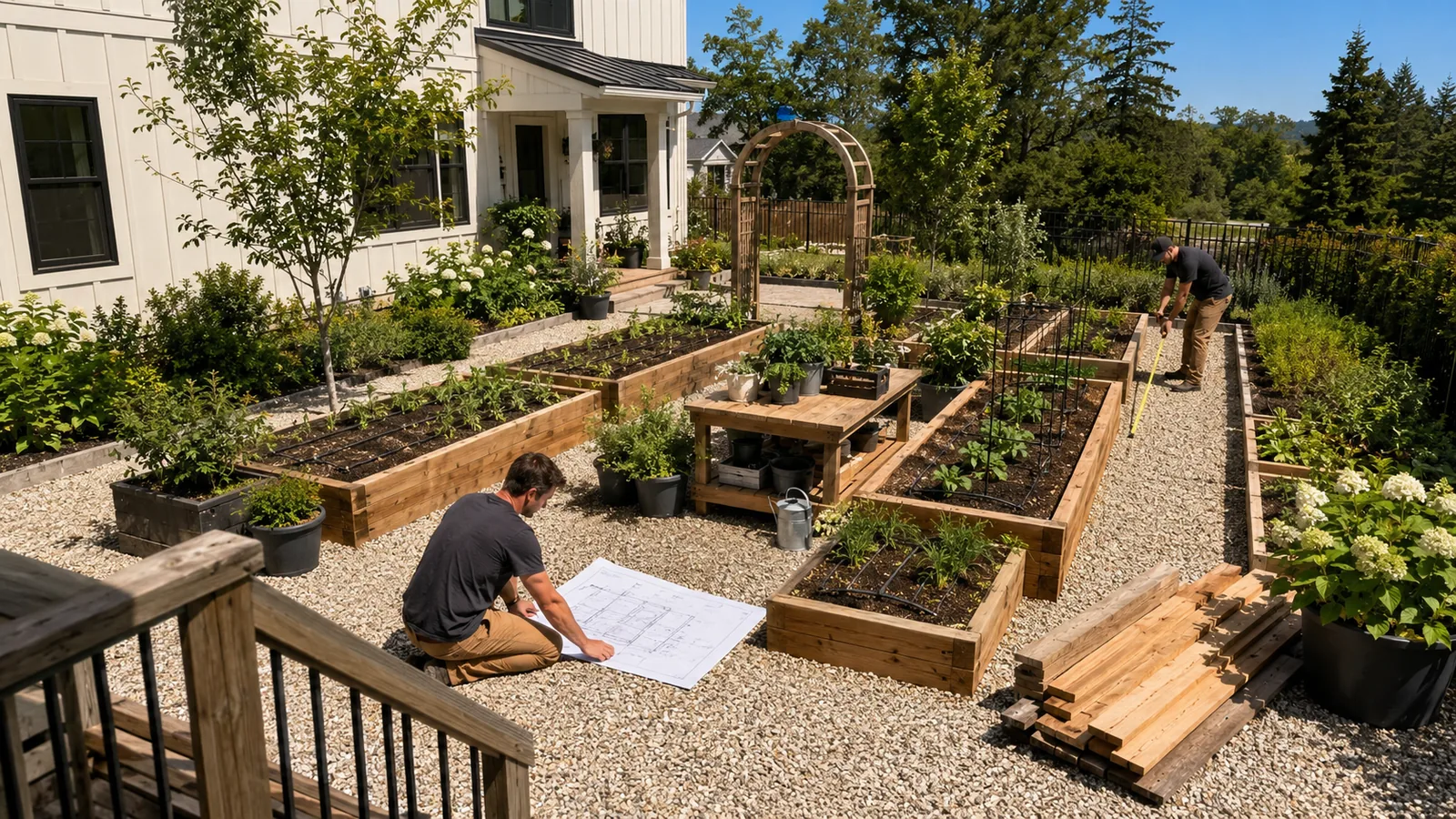
Bush beans are one of the best raised-bed crops for a quick harvest: give them full sun, at least 6 inches of well-draining soil, and enough spacing for air to move. Sow seeds 1 inch deep and 2 inches apart, thin them to 4 inches, water 1 to 2 inches weekly, and make another sowing every 2 to 3 weeks. Cultural Tips for Growing Beans
If you are standing in the garden now, check the soil temperature before you plant. Beans want daytime soil temperatures consistently at 60°F or higher, and about 65°F gives faster germination. That is the rule I would use in Austin too, because a bag of seeds cannot negotiate with cold soil.
How do you grow bush beans in raised beds?
To grow bush beans in raised beds, choose a full-sun bed at least 6 inches deep, fill it with a well-draining growing mix, sow seeds 1 inch deep, and space them 2 inches apart before thinning. Keep the bed evenly moist, avoid extra nitrogen fertilizer, and expect beans about 50 to 60 days after planting. How to Grow Bush Beans
Start with the bed, not the seed packet. Bush beans need direct sun, so choose the place that gets the longest uninterrupted light. A shady corner will give you leaves and excuses, not the crop you planned.
An 8-inch bed is common and gives you a little more room for roots and moisture. Six inches can work for bush beans, but a shallow bed dries faster, especially during an Austin stretch above 100°F.
Use a loose mix that drains after watering. If your soil is heavy Central Texas clay, mix in high-quality nursery compost and expanded shale. If your soil is sandy, add compost to help it hold moisture and balance pH. How to Grow Bush Beans
How deep should a raised bed be for bush beans?
A raised bed for bush beans should contain at least 6 inches of soil, with 8 inches being a practical target for better moisture control. Bush beans can grow in 6 inches, but the shallower bed needs closer attention because it can dry out faster between waterings. Growing Green Beans: In Garden Beds and Containers
Measure the soil depth from the planting surface, not from the outside bottom of the wooden frame. A tall frame filled halfway with air does not count. I have killed plants by admiring the box instead of checking what was actually inside it. The roots do not care how handsome the cedar looks.
For a new bed, fill it evenly and settle the mix with water before sowing. Do not compress it into a hard layer. Beans need drainage, and soggy soil can cause seed problems, particularly if the soil is cool. A Complete Guide to Planting & Growing Bush Beans
This is where raised beds earn their keep in Central Texas. Beneath the thin soil, you may hit limestone or caliche, and Blackland Prairie clay can hold water, then turn brick-hard. The bed gives you control, but it does not remove the need to check moisture with your finger.
When should you plant bush beans in a raised bed?
Plant bush beans when daytime soil temperatures stay consistently at 60°F or higher, and wait for about 65°F if you want faster germination. In the current fall garden, use a soil thermometer rather than the calendar, and sow only if your bed is still holding those warm daytime temperatures. How to Grow Bush Beans
Push the thermometer about 2 inches into the planting area during the morning, then check again later in the day. You are looking for a consistent reading, not one warm afternoon after a cold night. The research timing gives you a better answer than a generic “plant in spring” rule.
Do not soak seeds as a shortcut unless you accept the risk. Soaking is controversial, and cool soil makes bean seeds more vulnerable to rotting. If you soak, keep it under 8 hours and rinse the seeds well before planting. I would usually skip it and sow fresh, dry seed directly.
Use seed packaged within the past year if possible. Bean seed germination rates fall quickly with age, and two-year-old seed may germinate unevenly. Uneven germination is not a gardening mystery. Sometimes it is just an old packet sitting in the drawer beside the twist ties.
How far apart should bush beans be planted?
Sow bush bean seeds 1 inch deep and 2 inches apart, then thin the seedlings to about 4 inches apart. In a wide raised bed, use two rows on each side with about 18 inches between rows. Some gardeners successfully use 10-inch row spacing, but 18 inches gives you easier access and less crowding. Cultural Tips for Growing Beans
Make a shallow trench with your finger, drop in the seeds, cover them with 1 inch of soil, and water gently. Planting more closely at first is insurance against weak germination. Thinning later is not wasteful if the first sowing comes up thick and healthy.
When seedlings have developed enough to distinguish them clearly, remove extras so the remaining plants sit about 4 inches apart. Snip unwanted seedlings at soil level instead of pulling hard and disturbing the roots you want to keep.
Here is the spacing choice I would make for a home bed:
| Layout | Best use | Honest downside |
|---|---|---|
| Two rows, 18 inches apart | Wide beds and easy harvesting | Uses more bed space |
| Rows about 10 inches apart | Tight production in a well-managed bed | Crowds access and can reduce airflow |
| Seeds 2 inches apart, then thinned to 4 inches | Reliable germination and final spacing | Requires a thinning pass |
Everyone says closer planting gives you more beans. In practice, crowding can make harvesting annoying and keeps you stepping into the bed, which compacts soil and snaps stems. More plants only help if you can reach them without treating the raised bed like a wrestling mat.
How much sun do bush beans need in a raised bed?
Bush beans need a full-sun raised bed, meaning the bed should be placed where it receives the strongest available direct light for the day. Choose the open side of your yard instead of the spot shaded by a fence, tree, or house, because the crop is being grown for pods, not merely green foliage. Fine Gardening’s guide to growing beans
Watch the bed for one full day before planting. Morning sun followed by heavy afternoon shade is not the same as a sunny bed. In Austin, a south-facing or west-facing area may give strong light, but reflected heat from masonry can also dry a shallow bed quickly.
Raised beds are useful because you can correct the soil more precisely. They are not magic sun boxes. If the location is wrong, adding compost will not make up for lost light, and more fertilizer will only spend your money faster.
How often should you water bush beans?
Water bush beans about 1 to 2 inches per week, adjusting your attention to the raised bed’s depth and drainage. Shallow beds dry faster, while heavy clay-based mixes can stay wet longer, so check the soil before watering instead of following a rigid daily schedule. How to Grow Bush Beans
Give the bed a thorough watering when the soil needs it rather than sprinkling the surface every few hours. The goal is moisture through the root zone, not a damp crust on top. A 6-inch bed may need checking more often during a hot, dry week.
Do not drown the seeds because you are excited. Cool, wet soil can encourage bean seeds to rot, which is one reason I prefer direct sowing without a long pre-soak. Let the bed drain, then check again before adding more water.
In Miami, I learned to water sandy fill quickly because it drained before I finished the job. Austin clay taught me the opposite lesson. It can hold water, then bake solid. Compost helps sandy soil retain moisture, while expanded shale and compost can help improve heavy clay structure. How to Grow Bush Beans
Should you fertilize bush beans?
Do not add extra nitrogen fertilizer to bush beans unless a soil test or clear plant problem gives you a reason. Beans fix nitrogen, and too much added nitrogen can delay flowering, leaving you with lush plants that take longer to make pods. How to Grow Bush Beans
Compost is different from a heavy nitrogen feeding. Use high-quality compost to improve the growing mix, especially in heavy clay or sandy soil, but do not keep piling on fertilizer because the plants look leafy. The trade-off is simple: compost improves structure, while excess nitrogen can cost you flowers and harvest time.
This is a place where more is not kinder. I have watched gardeners react to slow growth with another scoop of plant food, then wonder why the beans keep making leaves. Give the roots suitable soil, warmth, water, and space first.
If you already amended the bed before planting, leave it alone and observe. Bush beans are not a rescue project for every gardening worry. Sometimes the most useful thing you can do is stop feeding and start checking soil temperature and moisture.
Who are raised-bed bush beans for, and who should skip them?
Raised-bed bush beans suit homeowners with a full-sun bed, at least 6 inches of soil, and enough time to check moisture weekly and thin seedlings once. Skip them for now if your bed is shaded, waterlogged, too shallow to hold moisture, or still below 60°F during the day, because the conditions will cost you seed and patience. Cultural Tips for Growing Beans
They are a good fit for a first vegetable crop because you can direct-sow them and harvest in roughly 50 to 60 days. They do not need a trellis, which keeps the project simpler than pole beans. The trade-off is that bush beans occupy a block of bed space and give one main flush unless you sow again.
They are also a good fit for a gardener who can harvest on schedule. Beans are not a “plant it and remember it later” crop. If you leave the pods too long, you lose the tender harvest window you planted for.
If your bed is crowded with permanent plants, do not squeeze beans into every spare inch. The 18-inch row recommendation is there for a reason. You can try about 10 inches in a productive bed, but the narrower spacing makes weeding and harvesting harder.
Need help deciding where the bed belongs? Use the free get a concept for your yard tool before you buy seed, especially if your current bed gets only a few hours of direct sun.
How do you keep bush beans producing?
Keep bush beans producing by harvesting the first crop in 50 to 60 days and sowing another row every 2 to 3 weeks. Succession planting spreads the harvest instead of giving you one large flush followed by an empty bed. The second sowing still needs warm soil, full sun, correct spacing, and steady water. How to Grow Beans All Summer Long
Mark each sowing date on a plant label. Two weeks later, sow the next row if the bed still has room and the temperature is suitable. Three weeks later, sow again if you want a longer run. Keep the dates visible because every planting starts looking identical once the leaves fill in.
A wide bed can handle two rows on each side with about 18 inches between rows. If you are using the tighter 10-inch spacing, be stricter about thinning and access. The compact layout may produce well, but it does not forgive careless watering or foot traffic.
Plan for the harvest before you plant. At 50 to 60 days, the first row may arrive while the second is still small. That is the whole point. You get a steadier bowl of beans instead of one giant weekend assignment.
For named crops and additional growing details, check the plant database before choosing a variety. I would rather see you buy one fresh packet suited to your bed than scatter three old packets and blame the moon.
What are the most common questions about growing bush beans in raised beds?
The most common questions are about bed depth, seed spacing, water, fertilizer, timing, and succession planting. The short answers are consistent: use at least 6 inches of soil, sow 1 inch deep, thin to 4 inches, provide 1 to 2 inches of water weekly, avoid excess nitrogen, and plant again every 2 to 3 weeks when soil stays warm.
How deep should bush bean seeds be planted?
Bush bean seeds should be planted 1 inch deep. Sow them 2 inches apart, cover them with soil, and thin the seedlings to about 4 inches apart after they emerge. Planting too deeply can slow emergence, while planting too shallowly can leave seed exposed as the bed dries. How to Grow Bush Beans
Can bush beans grow in a 6-inch raised bed?
Bush beans can grow in a 6-inch raised bed, although 8 inches is a practical target. A 6-inch bed has less moisture reserve and may dry faster, so check it more often during hot Austin weather. Use a well-draining mix and avoid compacting the soil around the roots. Growing Green Beans: In Garden Beds and Containers
Should I soak bush bean seeds before planting?
You do not need to soak bush bean seeds before planting, and I usually would not. Soaking is controversial, and cool soil can make bean seeds more likely to rot. If you choose to soak them, keep the soaking time under 8 hours and rinse the seeds well before sowing. A Complete Guide to Planting & Growing Bush Beans
How often should I plant bush beans for a continuous harvest?
Plant bush beans every 2 to 3 weeks for a continuous harvest, as long as the soil remains at least 60°F during the day. Each sowing should receive full sun, correct spacing, and steady moisture. Bush beans commonly reach harvest in 50 to 60 days, so staggered rows spread out the work. How to Grow Beans All Summer Long
Do bush beans need fertilizer?
Bush beans generally do not need extra nitrogen fertilizer because beans fix nitrogen, and excessive nitrogen can delay flowering. Use high-quality compost to improve heavy clay or sandy soil, but do not keep adding fertilizer to force leafy growth. More green does not necessarily mean more pods. How to Grow Bush Beans
How far apart should bush bean rows be in raised beds?
Bush bean rows should generally be about 18 inches apart in a raised bed. Some gardeners grow rows about 10 inches apart with success, but the tighter spacing reduces access and can make the bed feel crowded. For a home garden, I prefer 18 inches because harvesting and watering stay easier. Cultural Tips for Growing Beans
Want a plan for your own yard?
Tell us the space and we will put a planting plan together for it. Start at get my concept, or browse what actually grows where you are over on plants.
Frequently asked questions
How deep should bush bean seeds be planted?
Bush bean seeds should be planted 1 inch deep. Sow them 2 inches apart, cover them with soil, and thin the seedlings to about 4 inches apart after they emerge. Planting too deeply can slow emergence, while planting too shallowly can leave seed exposed as the bed dries.
Can bush beans grow in a 6-inch raised bed?
Bush beans can grow in a 6-inch raised bed, although 8 inches is a practical target. A 6-inch bed has less moisture reserve and may dry faster, so check it more often during hot Austin weather. Use a well-draining mix and avoid compacting the soil around the roots.
Should I soak bush bean seeds before planting?
You do not need to soak bush bean seeds before planting, and I usually would not. Soaking is controversial, and cool soil can make bean seeds more likely to rot. If you choose to soak them, keep the soaking time under 8 hours and rinse the seeds well before sowing.
How often should I plant bush beans for a continuous harvest?
Plant bush beans every 2 to 3 weeks for a continuous harvest, as long as the soil remains at least 60°F during the day. Each sowing should receive full sun, correct spacing, and steady moisture. Bush beans commonly reach harvest in 50 to 60 days, so staggered rows spread out the work.
Do bush beans need fertilizer?
Bush beans generally do not need extra nitrogen fertilizer because beans fix nitrogen, and excessive nitrogen can delay flowering. Use high-quality compost to improve heavy clay or sandy soil, but do not keep adding fertilizer to force leafy growth. More green does not necessarily mean more pods.
How far apart should bush bean rows be in raised beds?
Bush bean rows should generally be about 18 inches apart in a raised bed. Some gardeners grow rows about 10 inches apart with success, but the tighter spacing reduces access and can make the bed feel crowded. For a home garden, I prefer 18 inches because harvesting and watering stay easier.
Free, no obligation
Ready to design your dream landscape? Start here.
Tell us where you are and we will start a free profile for you, with plants that actually survive your climate and a real sense of what the build would cost.