
Growing Bush Beans in Containers: A Practical Step-by-Step Guide
Bush beans are one of the easiest vegetables to grow in containers, but the pot must be deep enough, wide enough, and watered consistently. Here is how to choose a container, sow seeds, space plants, manage fall timing, and keep harvesting without letting the soil turn into a dry brick.
September 25, 2026
By Diego Navarro
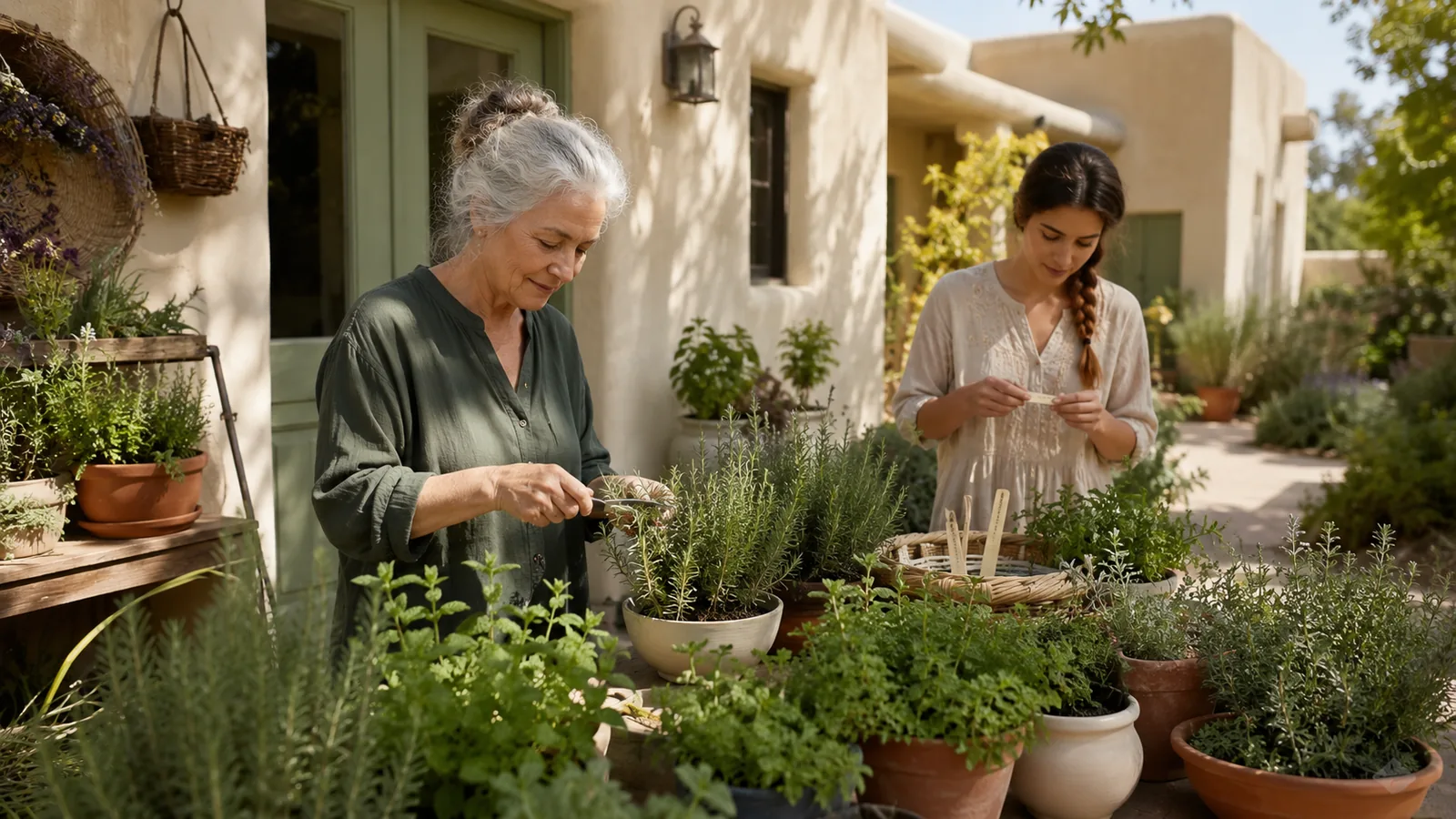
Bush beans grow well in containers when you give them a pot at least 10 to 12 inches deep, 3 to 5 gallons of soil, and drainage holes. Sow seeds 1 inch deep and 4 to 6 inches apart, then keep the pot in 6 to 8 hours of sun with soil that stays moist, not soggy.
My position is simple: use a wider container, not the smallest pot you can find, because container beans fail from drying out long before they fail from lack of ambition. A 15-inch window box gives you more room for a useful harvest, while a 3-gallon pot handles a small planting. The little decorative pot is mostly a tiny evaporation machine.
Can you grow bush beans in containers in fall?
You can grow bush beans in a fall container if your remaining season allows the beans to mature before the first expected frost, and the soil is still roughly 60 to 70°F for sowing. Start only when you have about two months left before expected frost, because bush beans need time to grow and produce.
The first thing to check today is not the seed packet. Check the calendar and the soil. The research guidance is to sow after the last frost in spring and continue succession sowing until about two months before the first expected frost, so fall planting is a race against the end of the season, not a sentimental act of optimism (Growing Bush Beans: A Practical Guide for Home Gardeners).
If your nights have cooled but the potting mix is still warm, sowing can work. If the soil is cold and the forecast is closing in, use the container for another crop after the beans are finished, or wait for the next warm window. Do not soak seeds in a cold pot and call it planning.
In Central Texas, I look at the container differently than I did growing up around New Jersey gardens. Up there, I watched for the first hard frost; here, I also watch for the fifth week of heat and whether the pot has turned bone-dry by lunch. The pot gets the final vote.
What size container is best for bush beans?
Use a container at least 10 to 12 inches deep and holding 3 to 5 gallons of soil for a small planting. For a larger harvest, choose a window box about 15 inches in diameter or wide enough to maintain 4 to 6 inches between plants, and make sure every container has drainage holes.
A 3-gallon pot is a reasonable starting point for a few plants. Its trade-off is capacity: it dries faster and gives you less room for a larger harvest. A 15-inch window box holds more plants and moisture, but it is heavier, harder to move, and more expensive to fill.
Do not use straight garden soil in a container. It compacts, drains poorly, and turns a manageable pot into a hard block. Use a quality potting mix instead, with one-third compost blended through it for fertility and moisture retention. Compost helps feed the planting, but too much can hold excess moisture or make the container unnecessarily heavy.
Set the pot where you want it before filling it. I have moved enough full containers to know that “I will just shift it later” is how a person meets their own poor decisions face to face.
How much sun and water do bush beans need in a pot?
Bush beans need 6 to 8 hours of sunlight each day and consistently moist soil, but the container should never stay soggy. Smaller pots dry faster, and containers sitting on hot concrete lose moisture especially quickly, so check the soil often and water deeply when the surface begins to dry (Growing Bush Beans | San Diego Seed Company).
Put the pot in the sunniest practical location, not under a roof edge where rain misses it. Full sun gives the plants the light they need, but the trade-off is faster drying, especially in a dark container or on concrete.
Water until moisture reaches the lower part of the pot and excess runs from the drainage holes. Do not give a small splash every afternoon and assume the roots are satisfied. The surface may look wet while the lower soil is dry, which is a fine trick if the goal is to grow disappointment.
Add a thick layer of mulch across the soil surface to slow evaporation, leaving a little space around each stem. Mulch reduces drying, but it can hide the soil surface, so push it aside before checking moisture. In hot weather, expect to water more frequently.
How do you plant bush bean seeds in a container?
Sow bush bean seeds directly into the container 1 inch deep, placing them 4 to 6 inches apart in a row or block. You may sow them 2 inches apart at first and thin seedlings to 6 inches once they are a couple of inches tall, but direct spacing wastes fewer seeds and avoids disturbing roots.
Fill the container with moistened potting mix and compost, then level the surface without packing it hard. Make holes 1 inch deep, drop one seed in each hole, cover gently, and water slowly so the seeds do not wash into a corner.
Direct sowing is the method I would use. It avoids transplant shock and puts the seed exactly where the plant will grow. The trade-off is that an empty spot stays empty if a seed does not germinate, so sowing a few extra seeds and thinning later gives you insurance.
If you thin, wait until seedlings are a couple of inches tall, then remove the extras rather than tugging around the plant you want to keep. Crowding is not generosity. Plants set 4 to 6 inches apart have room to develop, while a packed container dries unevenly and becomes difficult to water properly.
How far apart should bush beans be in a container?
Space bush bean plants 4 to 6 inches apart in the final container, whether you plant in rows or a block. A 3-gallon pot can hold a small group, while a 15-inch window box gives you more room for a larger planting, provided the container can maintain that spacing.
The 2-inch spacing is only a temporary option for seedlings that will be thinned later. Leaving every seedling in place is the common shortcut, and it usually produces a crowded pot with weak airflow and roots competing for the same limited water.
Measure the container before buying seeds. A pot that is technically wide enough for beans may still be too narrow for the spacing you need. If four plants will not fit with 4 to 6 inches between them, plant fewer. Fewer healthy plants beat a green-looking traffic jam.
Bush beans usually do not need a trellis or other climbing structure, unlike pole beans. That saves space and construction, but the trade-off is a shorter harvest window and less total production from the same footprint than a supported pole bean planting can provide (Growing Green Beans: In Garden Beds and Containers).
Should you fertilize bush beans growing in containers?
Bush beans usually do not need heavy nitrogen fertilizer in a fresh potting mix blended with one-third compost. If growth is weak, use a light feeding of balanced or low-nitrogen fertilizer according to the product label, because excessive nitrogen encourages leafy growth instead of the harvest you planted for.
Fresh compost supplies fertility, but it is not a promise that the container will feed plants forever. Containers lose nutrients through repeated watering, so a light balanced feed may help later in the crop. The trade-off is that fertilizer is easy to overapply in a small soil volume.
Avoid treating fertilizer like seasoning. More does not mean better. Follow the label, apply only when the plants need help, and keep fertilizer away from dry roots by watering as directed.
If the leaves look healthy and the plants are flowering, leave them alone. Beans are not asking for a complicated feeding schedule. They are asking for sun, moisture, and enough room to breathe.
How do you keep harvesting bush beans from containers?
Harvest bush beans regularly by snipping the pods from the plant, because frequent picking encourages continued production. For a longer season, sow a new container or section every 2 to 3 weeks, pausing during extreme heat and resuming when nights cool slightly if your fall window still extends far enough.
Label each planting with the date you sowed it. After a few rounds, the containers look similar, and memory becomes a less reliable garden tool than a pencil. Succession sowing gives you overlapping harvests, but the trade-off is needing extra containers, seed, potting mix, and watering time.
You can mix early and mid-season bush bean varieties to spread out harvest timing. The advantage is less of a single huge flush; the downside is that you must track different maturity schedules instead of treating every pot the same.
Pick pods before they become oversized and tough, using scissors or your fingers carefully so you do not pull the plant loose. Harvesting costs you a few minutes every couple of days, but ignoring ripe pods costs you production.
Who should grow bush beans in containers, and who should skip them?
Container bush beans suit renters, balcony gardeners, homeowners with poor soil, and anyone who can provide 6 to 8 hours of sun and check moisture regularly. Skip them for now if you cannot water consistently, lack enough warm growing time before frost, or only have a shaded spot, because the container will not fix those limits.
This is a good project for a first-time gardener because the steps are plain: fill, sow, water, watch, and pick. It is also useful if your yard has Central Texas caliche or black clay and you do not want to fight the ground for one season of vegetables.
A container is not automatically easier than a bed. It gives you control over soil, but it also gives you responsibility for every drop of water. In a raised bed, the ground can buffer a missed day. A three-gallon pot has no such mercy.
If your only available location is hot concrete, use a larger container and mulch heavily. The trade-off is weight and cost, but small pots on hot pavement dry so quickly that you may spend the whole season trying to rescue them.
You can get a concept for your yard if you need help deciding where containers should sit, then check plant details and growing requirements in the plant database. The design tool helps with placement; it does not water the beans. That part remains between you and the hose.
What should you plant in the container after the beans finish?
After bush beans finish, the enriched potting mix can support fall greens, brassicas, or root crops, provided you remove old bean plants and refresh the mix as needed. Rotating the container location each year also helps prevent disease buildup, though each replacement crop has its own spacing and moisture needs.
Fall greens are a practical follow-up because they use the cooler season, but their trade-off is that leafy harvests can still dry out quickly in a container. Brassicas make a larger plant and may need more room than the old bean spacing provides. Root crops need loose, deep soil and can disappoint if the mix is compacted.
Remove finished bean plants instead of leaving dead stems in the pot. Add fresh potting mix if the level has settled, inspect drainage holes, and rework the top few inches without crushing the roots of the next crop.
Rotate the container to a different location each year when possible. Rotation is not magic, and it cannot repair poor drainage, but it reduces the chance of repeatedly giving the same diseases the same soil and position.
Can you grow bush beans in containers in fall?
You can grow bush beans in containers in fall if the soil remains about 60 to 70°F and you have roughly two months before the first expected frost. Sow in a pot at least 10 to 12 inches deep, give the plants 6 to 8 hours of sun, and keep the mix consistently moist.
What size container is best for bush beans?
The best starting container is a 3 to 5-gallon pot that is at least 10 to 12 inches deep and has drainage holes. Choose a 15-inch window box for a larger planting, but remember that larger containers cost more, weigh more, and take more potting mix to fill.
How far apart should bush beans be in a container?
Space bush bean plants 4 to 6 inches apart in their final container. You can start seeds 2 inches apart and thin them once seedlings reach a couple of inches tall, but leaving the plants crowded will increase competition for water and reduce the useful space each plant has.
How much sun and water do bush beans need in a pot?
Bush beans need 6 to 8 hours of sunlight and soil that stays consistently moist without becoming soggy. Water deeply when the mix begins to dry, check more often during hot weather, and use a thick mulch layer to slow evaporation, especially if the pot sits on concrete.
Do bush beans need a trellis in a container?
Bush beans do not need a trellis because they remain compact rather than climbing like pole beans. The trade-off is that bush beans generally give a shorter harvest window and less production per footprint, while a pole bean needs support and more vertical space.
How often should you plant bush beans for a continuous harvest?
Plant a new batch of bush beans every 2 to 3 weeks for a continuous harvest, stopping about two months before the first expected frost. In extreme heat, pause new sowings and resume when nights cool slightly, provided the remaining season is long enough for the plants to mature.
Want a plan for your own yard?
Tell us the space and we will put a planting plan together for it. Start at get my concept, or browse what actually grows where you are over on plants.
Frequently asked questions
Can you grow bush beans in containers in fall?
You can grow bush beans in containers in fall if the soil remains about 60 to 70°F and you have roughly two months before the first expected frost. Sow in a pot at least 10 to 12 inches deep, give the plants 6 to 8 hours of sun, and keep the mix consistently moist.
What size container is best for bush beans?
The best starting container is a 3 to 5-gallon pot that is at least 10 to 12 inches deep and has drainage holes. Choose a 15-inch window box for a larger planting, but remember that larger containers cost more, weigh more, and take more potting mix to fill.
How far apart should bush beans be in a container?
Space bush bean plants 4 to 6 inches apart in their final container. You can start seeds 2 inches apart and thin them once seedlings reach a couple of inches tall, but leaving the plants crowded will increase competition for water and reduce the useful space each plant has.
How much sun and water do bush beans need in a pot?
Bush beans need 6 to 8 hours of sunlight and soil that stays consistently moist without becoming soggy. Water deeply when the mix begins to dry, check more often during hot weather, and use a thick mulch layer to slow evaporation, especially if the pot sits on concrete.
Do bush beans need a trellis in a container?
Bush beans do not need a trellis because they remain compact rather than climbing like pole beans. The trade-off is that bush beans generally give a shorter harvest window and less production per footprint, while a pole bean needs support and more vertical space.
How often should you plant bush beans for a continuous harvest?
Plant a new batch of bush beans every 2 to 3 weeks for a continuous harvest, stopping about two months before the first expected frost. In extreme heat, pause new sowings and resume when nights cool slightly, provided the remaining season is long enough for the plants to mature.
Free, no obligation
Ready to design your dream landscape? Start here.
Tell us where you are and we will start a free profile for you, with plants that actually survive your climate and a real sense of what the build would cost.