
Growing Broad Beans in Pots: A Practical Fall Guide
Grow broad beans successfully in a large pot this fall with the right container, spacing, support, watering routine, and harvest timing.
October 2, 2026
By Valeria Navarro
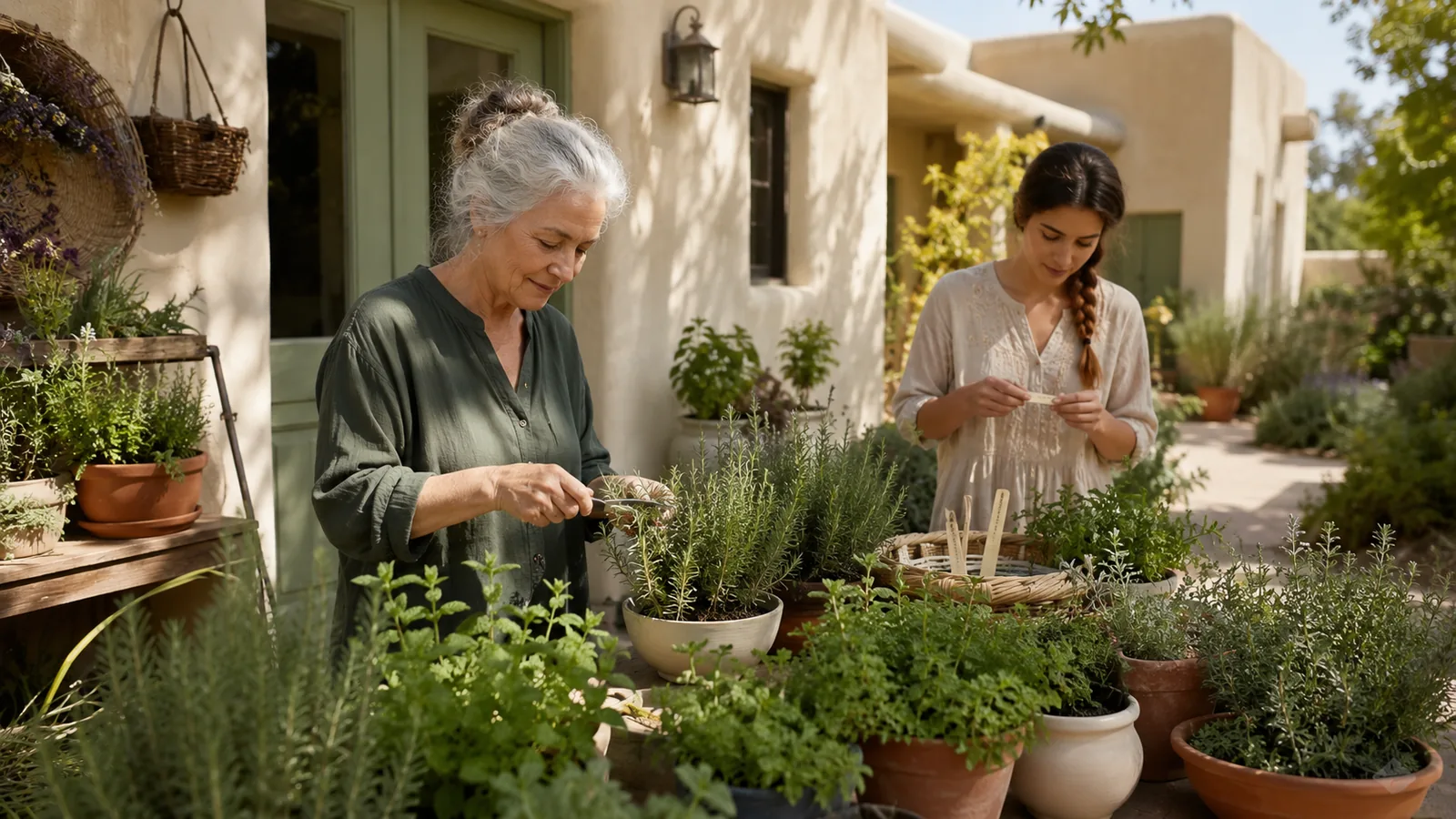
Grow broad beans in a pot at least 35 cm in diameter, using rich compost and sowing seeds 2.5 to 5 cm deep, 10 to 12 cm apart. Thin the seedlings to about 20 cm apart, support the stems, and expect tender pods roughly three to four months after sowing. That is the plan. No heroic gardening required. Source
Can you grow broad beans in pots?
Yes, you can grow broad beans in pots, and a large container is the best choice for a fall sowing if your ground is wet, compacted, or unavailable. Use one pot at least 35 cm in diameter, rich compost, and a sunny position where you can water consistently. The container guidance agrees on the 35 cm minimum.
Do not squeeze them into a little decorative pot. Broad beans make substantial plants, and crowded roots mean more watering and less forgiving growth. I have killed plenty of plants by treating a container like a pretty bowl instead of a small ecosystem. Plants are not impressed by the pot’s color, mi vida.
For Austin, fall is the sensible season to try them. The supplied growing guidance places sowing between September and November, while also noting that broad beans tolerate cold after germination in regions with mild winters. Read the seasonal guidance here, then protect the pot if a hard freeze is forecast rather than pretending February cannot hurt you.
When should you sow broad beans in pots?
Sow broad beans in pots from September through November, with October and November especially suitable for an autumn crop in the guidance provided. If you are standing in the garden now during fall, sow directly into the final container instead of starting in a tiny tray and creating extra work. BBC Gardeners’ World Live recommends October as a strong sowing month.
Choose a mild spell when the compost is workable, not saturated. Broad beans dislike sitting in soggy conditions, and a wet container can rot seed before you see a single leaf. That is the trade-off of rich compost: it feeds the crop, but it must still drain.
In Austin, I would place the pot near a wall that gets winter sun but not under a roof edge where rain cannot reach it. A bright position helps, but a heat-trapping south-facing corner can dry the pot faster than you expect on a sunny November afternoon.
How do you plant broad bean seeds in a container?
Fill the pot with rich compost or well-rotted manure, then sow broad bean seeds 2.5 to 5 cm deep and 10 to 12 cm apart. Water gently after planting so the seeds settle without washing into a pile. The detailed sowing guidance supports this spacing approach.
Use a ruler. Your eye lies when the compost is dark and the seeds are plump. Make holes with your finger or a dibber, drop in one seed per hole, cover firmly, and label the sowing date.
Well-rotted manure is useful, but it can be bulky and unpleasant in a small container, and fresh manure is not appropriate for this job. Compost is easier to handle and more predictable. Whichever you choose, do not fill the pot to the rim. Leave about 3 cm at the top so watering does not send compost down your patio.
Cover newly sown containers with netting if birds or squirrels are likely to disturb the seeds. The seed protection advice from BBC Gardeners’ World Magazine is practical here, although netting costs a little money and adds one more thing to remove when seedlings emerge.
How far apart should broad beans be in pots?
Sow broad bean seeds 10 to 12 cm apart, then thin established seedlings to about 20 cm apart once they are growing strongly. The final spacing matters more than the original sowing pattern because broad bean plants need room for roots, stems, and pods. Planting guidance recommends about 20 cm between plants.
That means a 35 cm pot will usually hold a small group, not a whole vegetable patch. I would plan for three plants in a round container, perhaps four if the pot is wider and the seedlings are vigorous. More plants may look productive, but they turn watering and support into a wrestling match.
Everyone says closer spacing gives you more harvest. In practice, the crowded pot gives you more leaves competing for the same water and root space. Thin the weakest seedlings with scissors at compost level rather than pulling nearby roots around.
If you hate discarding seedlings, start fewer seeds. It is kinder to your container, your back, and your future self.
| Container approach | What it does well | Honest downside |
|---|---|---|
| One pot, three plants at about 20 cm spacing | Simple watering and easy support | Limited harvest from one container |
| One wide planter with plants about 20 cm apart | More plants and steadier picking | Heavy to move after planting |
| Small pots started indoors, then transplanted | Useful for an early start or wet conditions | Transplanting adds handling and root disturbance |
How do you care for potted broad beans after they sprout?
Water the compost regularly, especially after flowers appear, and keep weeds out of the container. When roots fill the pot, which the supplied guidance places at about six weeks after sowing, you can transplant the seedlings to a larger bed or keep them in the container. See the full care sequence.
Check moisture with your finger several centimeters down. If the surface is dry but the lower compost is damp, wait. If the whole pot feels light and the compost is dry, water slowly until a little drains from the base. The honest downside of containers is that they dry faster than beds, especially in an Austin wind.
Keep the pot free of weeds. A weed in a container is not charming. It steals water from a crop that already has a limited root zone.
Do not move a fully grown pot casually. Wet compost is heavy, and a container full of roots and stems is awkward enough to turn a simple garden job into a shoulder complaint. Put it where it will finish before the plants become tall.
Do broad beans need support in a pot?
Yes, broad beans need support even though they are not climbers. Use pea sticks or canes around the plants, then tie stems loosely as they grow so the weight of the pods does not push them across the compost. The support recommendation is clear on this point.
Pea sticks look natural and blend into a kitchen garden, but they vary in length and can rot or become brittle. Canes are straighter and reusable, but they look more visible and can poke into a narrow walkway. Neither option is magic. Both need checking after wind.
Install support before the plants are heavy with pods. That is the sequence people skip, then they try to thread canes through a leafy tangle. I would place three or four canes around the pot and connect them with soft ties or garden twine.
The support should steady the plants, not choke them. Leave a little room in each tie. You are helping, not putting the beans in a tiny wooden corset.
Should you pinch out broad bean tips in a container?
Pinch out the growing tips as soon as flowers appear, and remove side shoots from the base. This is the recommended container care routine for discouraging blackfly and keeping the plant’s growth focused, although pinching does cost you a little foliage and requires timely checking. The guidance on pinching and side shoots is here.
Look for the first flowers along the upper stems. Use clean fingers or scissors and remove the soft growing tip above the highest flowering cluster. Do not hack down the whole plant. The goal is a small, deliberate cut.
Side shoots emerging from the base can also be removed. They make a pot more crowded, and crowded stems are harder to support and inspect. The downside is that every pruning job is another chance to break a stem, so work gently and only remove the growth the guidance identifies.
You asked yourself whether you can simply ignore this step. You can. I would not, especially in a container where a pest problem can spread across every plant in arm’s reach.
Who is growing broad beans in pots for, and who should skip it?
Growing broad beans in pots suits anyone with a balcony, patio, wet ground, compacted soil, or no vegetable bed, provided they can use a container at least 35 cm wide and water regularly. Skip it if you only have a tiny pot, cannot support the stems, or need a crop ready in a few weeks.
This project also suits a first-time grower who wants a clear fall task. The sowing depth is measurable. The spacing is measurable. The harvest has a visible signal because the pods swell.
It is less suitable for someone who wants a zero-maintenance crop. Broad beans still need thinning, water, support, tip pinching, and picking. If your patio receives no sun, move to another crop rather than asking beans to perform a miracle.
For a layout that fits your actual light and container space, you can get a concept for your yard. If you are comparing crops or checking mature plant details, browse the plant database before you buy a packet.
When can you harvest broad beans from a pot?
Harvest potted broad beans about three to four months after sowing, picking swollen green pods at roughly 6 cm long for the most tender beans. Check the plants every few days once pods begin forming because the harvest window moves faster than new gardeners expect. The harvest timing and size guidance gives this practical target.
Pick pods carefully so you do not pull the supported stems loose. Hold the stem with one hand and snap or cut the pod with the other. Smaller pods are the tender choice, while larger pods can still be useful if you prefer a fuller bean.
Leave some pods to dry if you want seed for the next season. That extends the crop’s usefulness, but it delays fresh picking and leaves the plant looking tired. Once the crop finishes, compost the plant remains if they are healthy.
Do not wait for every pod to reach the same size. Harvest the plump ones first and leave the smaller ones to develop. A pot rewards regular attention, not one dramatic picking day.
What are the most common questions about growing broad beans in pots?
The short answers are container size, sowing depth, spacing, support, water, and timing. Get those six decisions right and potted broad beans are straightforward, but they are not a plant you can cram into a small container and abandon for a month.
Can you grow broad beans in pots?
Yes, you can grow broad beans in pots, using a container at least 35 cm in diameter, rich compost, and regular watering. Sow the seeds 2.5 to 5 cm deep, then thin established seedlings to about 20 cm apart. Add support because broad beans are not climbers but can become heavy with pods.
When should you sow broad beans in pots?
Sow broad beans in pots from September through November, with October and November suitable for autumn sowing in the supplied guidance. Fall is the useful window for a reader gardening now. Germination and growth depend on weather, so protect the container if a severe freeze is forecast rather than leaving it exposed.
How far apart should broad beans be in pots?
Sow broad bean seeds 10 to 12 cm apart, then thin them to about 20 cm apart once the seedlings are established. This final spacing reduces competition inside the container. A 35 cm pot is best treated as a small planting group, not a place to fit every seed from the packet.
Do broad beans need support in a pot?
Yes, broad beans need support in a pot, even though they are not climbers. Place pea sticks or canes around the plants before the pods become heavy, and tie stems loosely as needed. Pea sticks blend in better, while canes are straighter and reusable, but both require checking after wind.
How often should you water potted broad beans?
Water potted broad beans regularly, then pay especially close attention after flowers appear. Check below the surface before watering so you do not keep wetting already saturated compost. Containers dry faster than garden beds, but watering constantly can create soggy conditions, so aim for evenly moist compost with drainage.
When can you harvest broad beans from a pot?
Harvest broad beans from a pot about three to four months after sowing, when the green pods have swollen. Pick pods at about 6 cm long for the most tender beans, then continue checking every few days. You can leave selected pods to dry for seed, and compost healthy plant remains after the crop finishes.
Want a plan for your own yard?
Tell us the space and we will put a planting plan together for it. Start at get my concept, or browse what actually grows where you are over on plants.
Frequently asked questions
Can you grow broad beans in pots?
Yes, you can grow broad beans in pots, using a container at least 35 cm in diameter, rich compost, and regular watering. Sow the seeds 2.5 to 5 cm deep, then thin established seedlings to about 20 cm apart. Add support because broad beans are not climbers but can become heavy with pods.
When should you sow broad beans in pots?
Sow broad beans in pots from September through November, with October and November suitable for autumn sowing in the supplied guidance. Fall is the useful window for a reader gardening now. Germination and growth depend on weather, so protect the container if a severe freeze is forecast rather than leaving it exposed.
How far apart should broad beans be in pots?
Sow broad bean seeds 10 to 12 cm apart, then thin them to about 20 cm apart once the seedlings are established. This final spacing reduces competition inside the container. A 35 cm pot is best treated as a small planting group, not a place to fit every seed from the packet.
Do broad beans need support in a pot?
Yes, broad beans need support in a pot, even though they are not climbers. Place pea sticks or canes around the plants before the pods become heavy, and tie stems loosely as needed. Pea sticks blend in better, while canes are straighter and reusable, but both require checking after wind.
How often should you water potted broad beans?
Water potted broad beans regularly, then pay especially close attention after flowers appear. Check below the surface before watering so you do not keep wetting already saturated compost. Containers dry faster than garden beds, but watering constantly can create soggy conditions, so aim for evenly moist compost with drainage.
When can you harvest broad beans from a pot?
Harvest broad beans from a pot about three to four months after sowing, when the green pods have swollen. Pick pods at about 6 cm long for the most tender beans, then continue checking every few days. You can leave selected pods to dry for seed, and compost healthy plant remains after the crop finishes.
Free, no obligation
Ready to design your dream landscape? Start here.
Tell us where you are and we will start a free profile for you, with plants that actually survive your climate and a real sense of what the build would cost.