
Growing Bell Peppers in Containers: A Practical Guide for Fall Gardeners
Bell peppers grow beautifully in containers when you give each plant enough root space, sun, water, and food. Here is the pot size, soil mix, planting sequence, feeding schedule, and fall timing I would use for a container pepper garden in Austin.
October 3, 2026
By Valeria Navarro
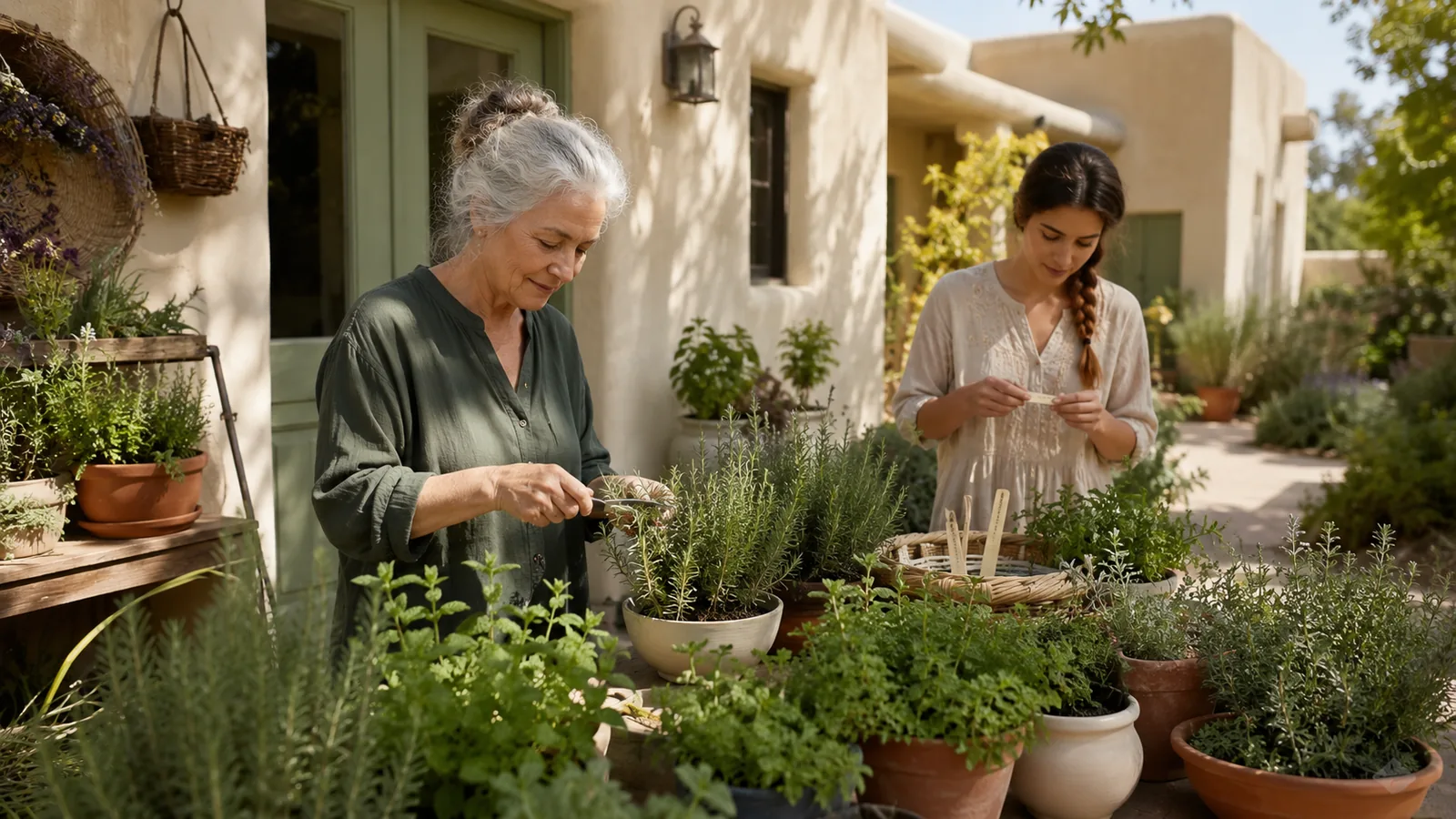
Bell peppers grow best in containers when each plant gets a 7- to 10-gallon pot, 6 to 8 hours of full sun, consistently moist potting mix, and fertilizer every 2 to 4 weeks. Use one plant per container, not three crowded into a cute little tub, because peppers need deep roots and stability to produce well.
In Austin, fall is a smart time to assess your setup. If your pepper is still green and producing, protect that root zone from sudden drying, keep harvesting, and do not drown it after a cool night. I learned this the sweaty way, moving pots around my patio while Diego argued that the gravel was already in the right place. He was not entirely wrong.
Can bell peppers grow well in containers?
Yes, bell peppers grow well in containers when the pot is large enough, the soil drains freely, and care stays consistent. Container plants may remain smaller and produce fewer peppers than plants in the ground, but the peppers can be larger and easier to manage. The trade-off is simple: pots give you control, but they punish neglect quickly.
The EarthBox container pepper guide makes the useful point that containers work for balconies, patios, and small gardens. That is the appeal. You control the soil instead of negotiating with a patch of stubborn ground.
Do not compare one potted bell pepper with a full in-ground row and call the pot a failure. The research consistently says container peppers can produce fewer fruits overall while giving you thick, substantial peppers that are easier to reach and protect. That is a fair exchange for a small yard.
My position is firm: container growing is worth it, but only if you budget for the right pot from the beginning. A bargain-sized container costs you water, stability, and probably a replacement plant later.
What size pot does a bell pepper plant need?
Use at least a 5-gallon container for one bell pepper plant, with roughly 12 inches of depth and 12 to 18 inches of width. For better yields and steadier moisture, I would choose a 7- to 10-gallon container. A 16- to 18-inch clay pot also works, but it dries faster than plastic.
The Bonnie Plants pepper guide confirms the 5-gallon minimum and the 16- to 18-inch clay-pot range. Minimum is not the same as ideal. A 5-gallon pot can grow a pepper, but the smaller soil volume gives you less room for error during a hot, windy week.
Choose one plant per pot. Crowding two bell peppers into one 5-gallon container may save a little floor space, but it sacrifices root room, airflow, and moisture stability. That is a bad bargain unless you enjoy watering twice a day and counting leaves for entertainment.
Pick a deep, opaque container with drainage holes. Clear containers allow light into the root zone, and a pot without drainage holes turns a watering mistake into a root problem. The trade-off with larger pots is weight, so place the container where you want it before filling it.
What soil is best for growing bell peppers in containers?
Use a high-quality, well-aerated potting mix blended with plenty of compost, not garden soil. Potting mix provides the loose structure container roots need, while compost adds nutrients and helps the mix hold moisture. Garden soil is the wrong shortcut because it can compact inside a pot and restrict drainage.
The Seed Savers pepper growing guide recommends potting soil mixed with generous compost and specifically calls for a deep, opaque container with drainage holes. Follow that recipe, but do not turn the container into a compost bin. Too much dense organic material can hold excess water.
Fill the pot to within about 1 to 2 inches of the rim so watering does not wash soil over the edge. Set the transplant at the same depth it grew in its nursery container. Peppers do not benefit from the deep planting that tomatoes tolerate, according to the Bonnie Plants guidance.
Mid-season, top-dress with fresh compost when the mix has settled. Use a thin layer, about 1 inch, and keep it away from the stem. Compost improves the mix, but it does not replace regular feeding, especially after repeated watering leaches nutrients from the container.
How much sun and water do container bell peppers need?
Give container bell peppers 6 to 8 hours of full sun and keep the potting mix consistently moist. In hot weather, check the container every day and water when the upper mix begins to dry, soaking until water exits the drainage holes. The goal is steady moisture, not a cycle of bone-dry soil followed by a flood.
A container has less soil than a garden bed, so it loses moisture faster. That makes the pot convenient but demanding. In Austin, a sunny patio can turn a dark container into a little oven, so check the mix with your finger each morning during hot stretches and again in the afternoon if the plant is wilted.
Do not leave the pot sitting in a saucer of water. The drainage hole needs to function. A saucer protects concrete, but standing water is the price of a tidy patio if you forget to empty it.
Everyone says to water on a schedule. In practice, weather wins. A cool fall week may require less water than a bright, dry afternoon, while a small 5-gallon pot can need daily attention in heat. Your finger is a better schedule than a phone reminder.
How often should you fertilize bell peppers in pots?
Fertilize container bell peppers every 2 to 4 weeks during active growth because nutrients leave the pot with repeated watering. Use the rate on the fertilizer label, and do not compensate for a missed feeding by doubling the next one. Container plants need regular nutrition, but excess fertilizer can damage roots and create weak, leafy growth.
The small soil volume is the issue. In a garden bed, nutrients have more room to buffer mistakes. In a container, the same mistake sits close to the roots, which is why I prefer a measured routine over enthusiastic handfuls.
Add fresh compost lightly in the middle of the season to restore structure, then continue the regular fertilizer schedule. Compost is useful, but calling it a complete feeding plan is how pepper plants end up hungry in very expensive pots.
If your plant is flowering but not setting many fruits, first check sun, moisture, and temperature swings before pouring on more fertilizer. More food cannot repair a dry root ball or a container that receives only three hours of light.
When should you plant bell peppers in containers in fall?
In fall, plant bell peppers in containers while daytime conditions remain warm enough for active growth, then give transplants 60 to 90 days to begin fruiting. A plant already carrying flowers or small fruit is a better fall choice than a tiny seedling, because the season is moving and container peppers take time to settle.
That 60- to 90-day fruiting window comes from the container pepper growing guidance at Stella’s Wardrobe. Read the calendar honestly. A pepper transplanted in September may not give you the same harvest as one established earlier, especially if cool weather arrives before it settles.
Plant at the same depth as the nursery pot. Water the mix thoroughly after planting, then keep the container in full sun. Avoid placing a fresh transplant directly beside a hot wall if reflected heat makes the leaves wilt by midday; the pot can be moved, but repeated stress still costs growth.
For an Austin fall project, I would buy the largest healthy transplant available, use a 7- to 10-gallon pot, and protect it from abrupt cold rather than starting from seed now. Starting seed is cheaper, but it asks for more weeks than this season may give you.
Which container bell pepper setup should you choose?
For the strongest harvest, choose one bell pepper in a 7- to 10-gallon plastic or clay container, with airy potting mix, compost, drainage, and a full-sun location. A 5-gallon pot is acceptable when space or weight is limited, but it needs closer moisture checks and usually gives you less yield. Bigger wins here.
| Setup | Best use | Honest downside |
|---|---|---|
| 5-gallon plastic pot | Small patio or balcony | Dries faster and gives roots less room |
| 7- to 10-gallon plastic pot | Best all-around home setup | Takes more soil, space, and moving strength |
| 16- to 18-inch clay pot | Stable, attractive patio planting | Porous clay loses moisture faster and becomes heavy |
| Small compact pepper variety | Tight spaces and smaller containers | Usually gives less total harvest than a larger plant |
Smaller varieties such as ‘Grandma Kirksey,’ ‘Fatalii,’ and ‘Golden Nugget’ are identified as especially suitable for containers by Seed Savers. The trade-off is plant scale and harvest potential. Compact does not mean effortless, and a small plant still needs full sun and steady water.
I would choose the 7- to 10-gallon plastic pot for most homeowners. Plastic is lighter and holds moisture longer than clay, while the larger volume gives the root system room to spread. Clay is handsome, but it is a thirsty, heavy diva.
Need help deciding where the pots belong? Use get a concept for your yard before you fill them. A container is much easier to move empty than after 60 pounds of wet mix is sitting inside it.
Who should grow bell peppers in containers, and who should skip them?
Container bell peppers suit renters, patio gardeners, small-yard homeowners, and anyone whose ground soil is compacted or difficult to amend. They are also useful when you want to control soil and move plants. Skip them if you cannot provide 6 to 8 hours of sun, check moisture regularly, or lift a large pot safely.
This method is especially practical for a balcony or paved courtyard. You do not need a full garden bed, and the container lets you start with a clean growing medium rather than wrestling with dense native soil.
It is a poor fit for someone who travels for two weeks in summer without an irrigation plan. The plant may survive a missed feeding. It is much less forgiving of repeated dry-outs, especially in a small pot.
Choose containers if you value control and accessibility. Choose in-ground planting if you have prepared soil, room for 18 to 24 inches of spacing, and enough ground moisture to support a larger planting. Neither is morally superior. One simply asks more from your back, and the other asks more from your watering routine.
How do you harvest bell peppers from containers?
Harvest bell peppers regularly once they reach useful size, cutting the fruit from the plant rather than letting every pepper remain until fully colored. Regular harvesting encourages continued production, while leaving mature fruit attached can slow the plant’s next round. Expect fewer peppers than an in-ground crop, but often larger, thicker fruit.
Use clean scissors or a sharp knife if the stem resists. Pulling can snap a branch, especially when the plant is top-heavy with fruit. That damage costs you more than the few seconds saved by yanking.
Check the plant every few days during active production. Harvest green peppers for an earlier crop, or allow some fruit to color fully if the plant remains healthy and the season gives you time. The trade-off is patience: colored fruit takes longer on the plant, so you may harvest fewer peppers overall.
Keep the container stable as fruit enlarges. A tall plant in a lightweight pot can tip in wind, and a cracked branch is not something compost or fertilizer can fix. One sturdy pot beats three decorative ones that wobble.
What are the most common questions about growing bell peppers in containers?
These six answers cover the decisions that matter most: pot size, soil, sun, water, fertilizer, and fall timing. Use them as a quick check before you buy a pepper transplant or drag another tiny pot onto the patio, because the container itself sets the limit long before your enthusiasm does.
Can bell peppers grow well in containers?
Yes, bell peppers grow well in containers when the pot is large enough, the soil drains freely, and care stays consistent. Container plants may remain smaller and produce fewer peppers than plants in the ground, but the peppers can be larger and easier to manage. Give each plant one 5-gallon or larger pot, with 7 to 10 gallons preferred.
What size pot does a bell pepper plant need?
Use at least a 5-gallon container for one bell pepper plant, with roughly 12 inches of depth and 12 to 18 inches of width. A 7- to 10-gallon pot is my better choice because it holds moisture more steadily and gives roots more room. A 16- to 18-inch clay pot also works, but it dries faster.
What soil is best for growing bell peppers in containers?
Use a high-quality, well-aerated potting mix blended with plenty of compost, not garden soil. Garden soil can compact in a container and restrict drainage. Fill the pot nearly to the rim, plant the pepper at its original depth, and add about 1 inch of fresh compost mid-season as the mix settles.
How much sun and water do container bell peppers need?
Give container bell peppers 6 to 8 hours of full sun and keep the potting mix consistently moist. Check the pot every day in hot weather and water until excess drains from the holes. Do not let the container sit in water, and do not rely on a fixed schedule when temperatures and wind change.
How often should you fertilize bell peppers in pots?
Fertilize container bell peppers every 2 to 4 weeks during active growth because nutrients leach from the limited soil volume. Follow the product label and never double a missed feeding. Fresh compost can help restore the mix mid-season, but compost alone does not replace a regular fertilizer routine for a productive container plant.
When should you plant bell peppers in containers in fall?
In fall, plant bell peppers while daytime conditions remain warm enough for active growth, and choose a large transplant if you want fruit this season. Container peppers may take 60 to 90 days to begin fruiting after transplant. A flowering or fruiting plant gives you more time than a tiny seedling started late.
Want a plan for your own yard?
Tell us the space and we will put a planting plan together for it. Start at get my concept, or browse what actually grows where you are over on plants.
Frequently asked questions
Can bell peppers grow well in containers?
Yes, bell peppers grow well in containers when the pot is large enough, the soil drains freely, and care stays consistent. Container plants may remain smaller and produce fewer peppers than plants in the ground, but the peppers can be larger and easier to manage. Give each plant one 5-gallon or larger pot, with 7 to 10 gallons preferred.
What size pot does a bell pepper plant need?
Use at least a 5-gallon container for one bell pepper plant, with roughly 12 inches of depth and 12 to 18 inches of width. A 7- to 10-gallon pot is my better choice because it holds moisture more steadily and gives roots more room. A 16- to 18-inch clay pot also works, but it dries faster.
What soil is best for growing bell peppers in containers?
Use a high-quality, well-aerated potting mix blended with plenty of compost, not garden soil. Garden soil can compact in a container and restrict drainage. Fill the pot nearly to the rim, plant the pepper at its original depth, and add about 1 inch of fresh compost mid-season as the mix settles.
How much sun and water do container bell peppers need?
Give container bell peppers 6 to 8 hours of full sun and keep the potting mix consistently moist. Check the pot every day in hot weather and water until excess drains from the holes. Do not let the container sit in water, and do not rely on a fixed schedule when temperatures and wind change.
How often should you fertilize bell peppers in pots?
Fertilize container bell peppers every 2 to 4 weeks during active growth because nutrients leach from the limited soil volume. Follow the product label and never double a missed feeding. Fresh compost can help restore the mix mid-season, but compost alone does not replace a regular fertilizer routine for a productive container plant.
When should you plant bell peppers in containers in fall?
In fall, plant bell peppers while daytime conditions remain warm enough for active growth, and choose a large transplant if you want fruit this season. Container peppers may take 60 to 90 days to begin fruiting after transplant. A flowering or fruiting plant gives you more time than a tiny seedling started late.
Free, no obligation
Ready to design your dream landscape? Start here.
Tell us where you are and we will start a free profile for you, with plants that actually survive your climate and a real sense of what the build would cost.