
Growing Beans in Pots: A Practical Container Plan for Fall
Growing beans in pots is simple when you match the container to the bean type, use a loose mix, and keep moisture steady. Here is my exact plan for bush and pole beans, including spacing, support, watering, harvesting, and how to keep a fall container productive.
September 23, 2026
By Valeria Navarro
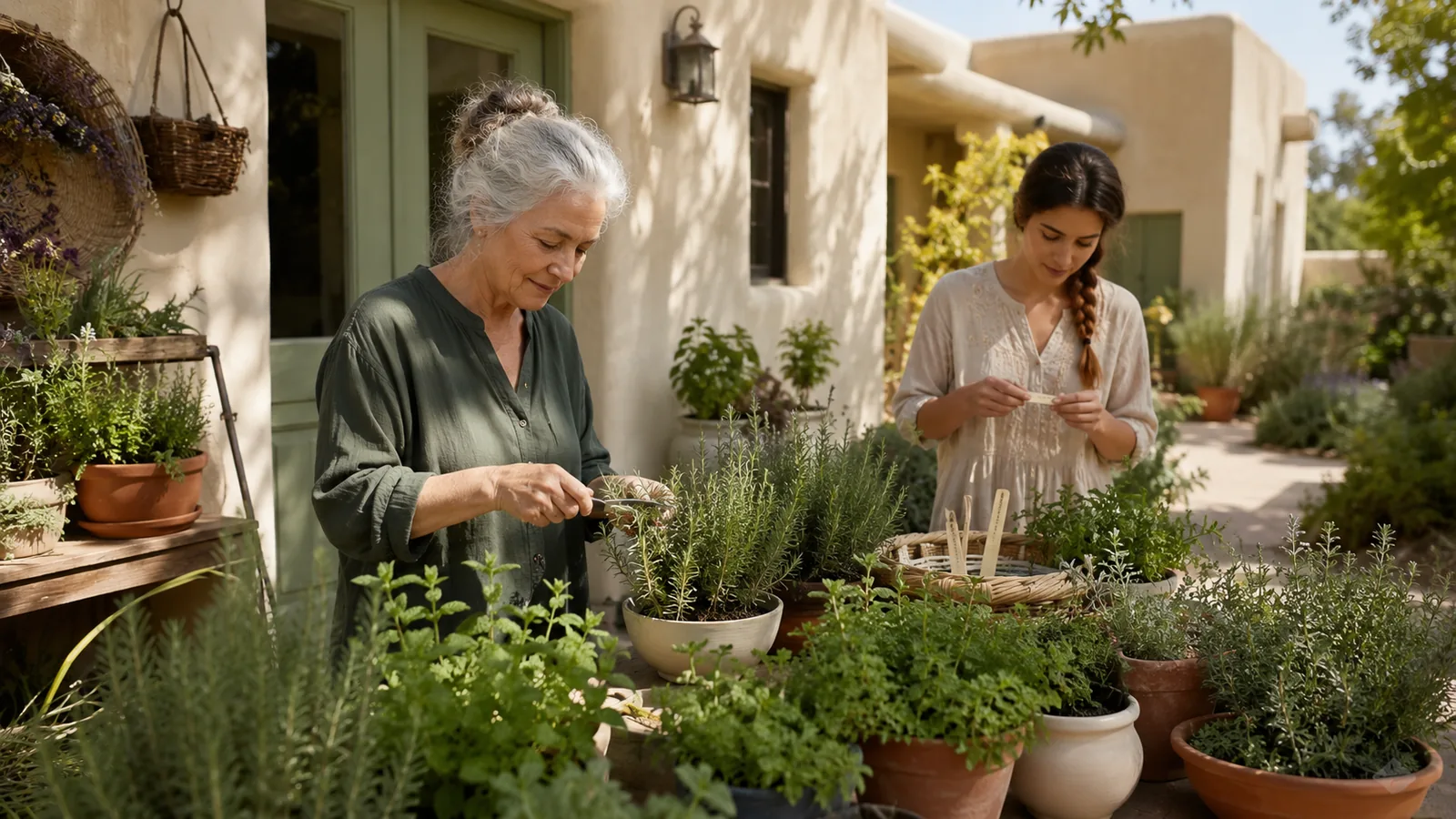
Use a 3 to 5 gallon pot for bush beans or a 5 to 10 gallon container for pole beans, fill it with loose, well-draining mix, and give it 6 to 8 hours of sun. Soak the seeds overnight, sow them 1 to 1.5 inches deep, keep the mix evenly moist, and harvest young pods often so the plant keeps producing.
What is the best container for growing beans in pots?
The best container is a 3 to 5 gallon pot at least 10 to 12 inches deep for a modest bush bean harvest, or a 5 to 10 gallon fabric bag or bucket for pole beans. Choose a container with several drainage holes because wet, heavy mix can cause root problems. Bush bean guidance also supports the 3 to 5 gallon starting size.
A plastic nursery pot is inexpensive and holds moisture well. Its downside is heat: dark plastic can dry quickly on an Austin patio. A fabric grow bag breathes and drains freely, but it needs more frequent watering and dries from the sides.
A food-grade bucket works if you drill ample holes in the bottom. The trade-off is weight. Once filled, it is awkward to move, so place it where the beans will stay for the season.
Skip a shallow decorative bowl. Beans do not need a giant root run, but a cramped pot swings from dry to drowned fast. That is how a perfectly innocent Saturday planting becomes a Monday funeral for your beans. For more container plant choices, use the plant database.
| Container and bean type | Best use | Honest downside |
|---|---|---|
| 3 to 5 gallon pot with bush beans | Small harvest, no trellis required | Produces for a shorter window and dries faster than a larger container |
| 5 to 10 gallon fabric bag with pole beans | Vertical harvest in a compact space | Needs a firm support and regular watering |
| Food-grade bucket with bush or pole beans | Low-cost container project | Heavy after filling and requires drilled drainage holes |
How do you prepare soil for growing beans in containers?
Fill the container with equal parts compost, peat or coir, and perlite or vermiculite. This mix gives roots air, drainage, and moderate fertility without the dense texture of garden clay. Beans perform best in moderately fertile, well-drained soil, and this home garden guide recommends good drainage and even moisture.
Compost supports the crop, but too much can make the mix hold more water than your pot can shed. Peat is light and moisture-retentive, but it can dry into a difficult-to-rewet mass. Coir is easier to rewet, but it still costs money and does not replace a complete growing mix.
Perlite improves drainage, though it floats and can spill from large drainage holes. Vermiculite holds moisture, but too much makes the mix wetter. I use the equal-part ratio first instead of improvising with heavy Blackland Prairie clay, which swings from sticky to brick-hard by August.
If you add a small amount of balanced 5-10-15 fertilizer at planting, follow the product label. The benefit is a little extra starting nutrition. The downside is salt buildup and unnecessary feeding, because beans fix nitrogen and usually need little additional fertilizer.
How deep and far apart should you plant beans in a pot?
Soak bean seeds overnight, then sow them 1 to 1.5 inches deep. Space bush beans 4 to 6 inches apart, or place one pole-bean stake in the container and sow seeds 3 to 4 inches apart along the support. Direct sowing avoids transplant shock, and beans generally do not need to be started as seedlings, according to this extension growing guide.
Firm the mix gently over each seed so it has good contact with the damp soil. Do not pack it hard. Seeds need moisture and air, not a concrete lid.
For a 3 gallon bush bean pot, plant four to six seeds in a ring around the edge, keeping each seed 4 to 6 inches from the next. In a 5 gallon pot, you can use the same spacing with room for a few more plants, but crowding raises competition for water.
For pole beans, use one support in the center or three supports arranged as a small teepee. The teepee costs more space and material, but it gives climbing stems more places to catch. A single stake is simpler, though a full crop can lean hard against it after rain.
Do bush beans or pole beans grow better in containers?
Bush beans are my choice for a first container because they fit a 3 to 5 gallon pot and do not require a tall trellis. Pole beans make better use of vertical space and can produce over a longer harvest period, but they need a 5 to 10 gallon container, sturdy support, and more attention to tying and watering.
Bush beans are compact. Their downside is timing: you get a concentrated crop, then production tapers. That is perfect if you want a handful of beans for dinner without building a structure.
Pole beans climb, so they can turn a sunny wall or patio corner into productive height. The trade-off is wind. A top-heavy container can tip, and a flimsy stake will fold exactly when the plant is finally looking beautiful. Secure the support before sowing.
Everyone says vertical growing always wins. In practice, bush beans win for a small pot because the container and support stay simple. Pole beans win only when you have height, anchoring, and enough volume to keep the root zone from drying too quickly.
Where should you place a container of beans in fall?
Place the container where it receives 6 to 8 hours of direct sun each day and where you can water without dragging a full pot across the patio. Beans need full sun and even moisture, so a bright location near a hose is better than a beautiful corner you forget by lunchtime. Seed Savers’ bean guide also identifies sun, mulch, and container growing as useful parts of bean care.
In Austin, put the pot on a stable surface rather than directly over a drain that clogs with mix. Leave several inches around it so you can inspect leaves, harvest pods, and water the root zone.
Fall is a good moment to assess the light honestly. Sun that reaches a patio in July may disappear behind a roofline in November. Stand where the pot will sit and count the direct-sun hours instead of trusting your memory.
I learned this the hard way after my Miami patio spoiled me with sandy fill that drained before I finished watering. Central Texas clay taught me the opposite lesson: it holds water, then sets like a brick. Containers are easier, but only if the location makes regular care convenient.
How often should you water beans in containers?
Water deeply at planting, then water regularly, about twice a week until the plants are established, keeping the mix evenly moist but not soggy. As beans mature, reduce frequency only if the container is holding moisture well and the plants remain firm. Small pots may need checking more often because they lose water quickly through heat and wind.
Press a finger into the top inch of mix before watering. Dry mix means water slowly until it drains from the holes. Soggy mix means pause and confirm the holes are open before adding more.
Mulch the surface with a thin layer of straw or shredded leaves. Mulch conserves moisture, suppresses weeds, and moderates soil temperature, but a thick wet layer can hide pests and keep the crown too damp. Keep it slightly away from the stems.
Do not let a saucer hold standing water under the pot. A saucer protects concrete, but its downside is that it can turn a draining container into a little pond. Empty it after watering, especially after a heavy fall rain.
How do you keep container beans producing?
Harvest pods when they are young and tender by snipping them from the plant, then remove scorched or pest-damaged foliage promptly. A light side-dressing of compost after the first harvest can support continued growth, while a new batch of seeds every 6 to 8 weeks can extend the harvest through the growing season.
Check the plants every two or three days once flowers appear. The pods get large quickly, and mature pods signal the plant to shift energy toward seed production rather than more tender harvest.
Snipping costs a few extra minutes compared with pulling. It also reduces damage to stems. Your fingers are not a harvesting tool just because they are already attached to you.
Beans fix nitrogen, so heavy feeding is usually a waste of money. Blood-and-bone amendment may sustain production after the first harvest, but it can smell, attract animals, and add nutrients you do not need. Compost is the gentler choice for most containers.
Who is growing beans in containers a good fit for?
Growing beans in containers suits you if you have 6 to 8 hours of sun, a dependable watering spot, and room for a 3 to 10 gallon container. It is especially useful for renters, patio gardeners, and anyone working with alkaline clay, limestone, or poor garden drainage. Ignore this approach if you cannot check moisture twice weekly or provide support for pole beans.
Bush beans suit a first-time gardener, a small balcony with full sun, or a household that wants one concentrated harvest. Their honest limitation is yield. One pot will not stock your freezer.
Pole beans suit a narrow sunny area where height is available. They are a poor choice beside a walkway if the support blocks passage, or on an exposed balcony where wind can tip the container.
Ask yourself one practical question: can you reach the pot, water it, and harvest without moving furniture? If the answer is no, choose a smaller bush bean setup. A garden plan that is annoying to access will not survive a busy August, even if it looked perfect on planting day.
What should you do with beans in pots right now?
Right now, choose the container, install any pole support, mix the growing medium, soak the seeds overnight, and sow them the next day at 1 to 1.5 inches deep. Give the pot 6 to 8 hours of sun, water deeply, and mark the planting date so you can plan another sowing 6 to 8 weeks later.
Start with one container rather than six. One pot teaches you how quickly your patio dries, how much sun reaches the leaves, and whether deer can reach the tender growth. Then add another if the routine feels easy.
Keep a small notebook with the sowing date, watering days, first flowers, and first harvest. That record beats guessing next season, especially after a Central Texas winter that reminds everybody not to get smug about the weather.
If you want help deciding between a bush container and a pole setup, get a concept for your yard before you buy pots. Measure the sunny space first. Then spend.
How many gallons does a bean container need?
A bean container needs at least 3 to 5 gallons for a modest bush bean harvest and 5 to 10 gallons for pole beans. Use a container at least 10 to 12 inches deep with ample drainage holes, because a smaller or poorly draining pot makes moisture harder to manage and can restrict production.
Bush beans fit the smaller range because they stay compact and do not need a climbing structure. Pole beans need extra volume mainly because the support and taller growth make the container more likely to dry or tip.
How deep should bean seeds be planted in pots?
Plant bean seeds 1 to 1.5 inches deep in the container mix after soaking them overnight. Space bush beans 4 to 6 inches apart, or space pole bean seeds 3 to 4 inches apart around one support. Firm the mix gently after sowing so the seeds have good soil contact without being compressed.
Planting deeper than that can slow emergence, while planting too shallow leaves seeds vulnerable to drying. Water deeply after sowing, then keep the mix evenly moist rather than saturated.
How much sun do potted beans need?
Potted beans need 6 to 8 hours of direct sun each day. Place the container in the brightest practical location, preferably near a hose, because full sun increases both growth and water demand. If a building shades the pot for part of the day, count the actual direct hours before planting.
A sunny spot that is hard to reach is not a good spot for beans. Convenience matters because even moisture and frequent harvesting determine how well the container performs.
Can you grow pole beans in a bucket?
You can grow pole beans in a bucket if it is food-grade, holds 5 to 10 gallons, has ample drainage holes, and supports a sturdy stake or trellis. The bucket must be anchored well enough to resist tipping as the vines climb, and the support should be installed before sowing.
The bucket is inexpensive, but it becomes heavy and difficult to move once filled. Use it where you want the beans for the whole growing season, not beside a door you need to keep clear.
How often should you plant beans for a continuous harvest?
Plant a new batch of bean seeds every 6 to 8 weeks for a continuous harvest during the growing season. Harvest the existing pods while they are young and tender, and sow the next container or open section before the first planting finishes producing.
Successive sowing spreads the work and the harvest. Its downside is that it also requires spare seed, containers, and sun, so do not promise yourself endless beans from one small pot.
Do beans need fertilizer in containers?
Beans need little extra fertilizer because they are nitrogen-fixing legumes. Start with a moderately fertile mix, then use a light side-dressing of compost after the first harvest if production slows. A small amount of balanced 5-10-15 fertilizer at planting is optional, but excess fertilizer can waste money and create salt buildup.
More feed is not automatically more beans. Heavy nitrogen can encourage foliage while giving you less of the tender pods you planted for.
Can beans grow in containers without a trellis?
Bush beans can grow in containers without a trellis because their compact growth does not require climbing support. Pole beans cannot be treated the same way: they need a stake, trellis, or teepee installed before sowing, and the container must be large and stable enough to support it.
Skipping the support for pole beans saves five minutes and costs the plant structure later. Install it first. Your future self will be grateful, and your pole beans will have somewhere to go.
Want a plan for your own yard?
Tell us the space and we will put a planting plan together for it. Start at get my concept, or browse what actually grows where you are over on plants.
Frequently asked questions
How many gallons does a bean container need?
A bean container needs at least 3 to 5 gallons for a modest bush bean harvest and 5 to 10 gallons for pole beans. Use a container at least 10 to 12 inches deep with ample drainage holes, because a smaller or poorly draining pot makes moisture harder to manage and can restrict production.
How deep should bean seeds be planted in pots?
Plant bean seeds 1 to 1.5 inches deep in the container mix after soaking them overnight. Space bush beans 4 to 6 inches apart, or space pole bean seeds 3 to 4 inches apart around one support. Firm the mix gently after sowing so the seeds have good soil contact without being compressed.
How much sun do potted beans need?
Potted beans need 6 to 8 hours of direct sun each day. Place the container in the brightest practical location, preferably near a hose, because full sun increases both growth and water demand. If a building shades the pot for part of the day, count the actual direct hours before planting.
Can you grow pole beans in a bucket?
You can grow pole beans in a bucket if it is food-grade, holds 5 to 10 gallons, has ample drainage holes, and supports a sturdy stake or trellis. The bucket must be anchored well enough to resist tipping as the vines climb, and the support should be installed before sowing.
How often should you plant beans for a continuous harvest?
Plant a new batch of bean seeds every 6 to 8 weeks for a continuous harvest during the growing season. Harvest the existing pods while they are young and tender, and sow the next container or open section before the first planting finishes producing.
Do beans need fertilizer in containers?
Beans need little extra fertilizer because they are nitrogen-fixing legumes. Start with a moderately fertile mix, then use a light side-dressing of compost after the first harvest if production slows. A small amount of balanced 5-10-15 fertilizer at planting is optional, but excess fertilizer can waste money and create salt buildup.
Free, no obligation
Ready to design your dream landscape? Start here.
Tell us where you are and we will start a free profile for you, with plants that actually survive your climate and a real sense of what the build would cost.