
How to Grow Green Beans in Pots This Fall
Green beans grow well in containers if you give them enough root room, six to eight hours of sun, steady moisture, and support when needed. Here is the pot size, planting depth, spacing, watering routine, fertilizer plan, and harvest timing I would use in a Central Texas fall.
September 27, 2026
By Diego Navarro
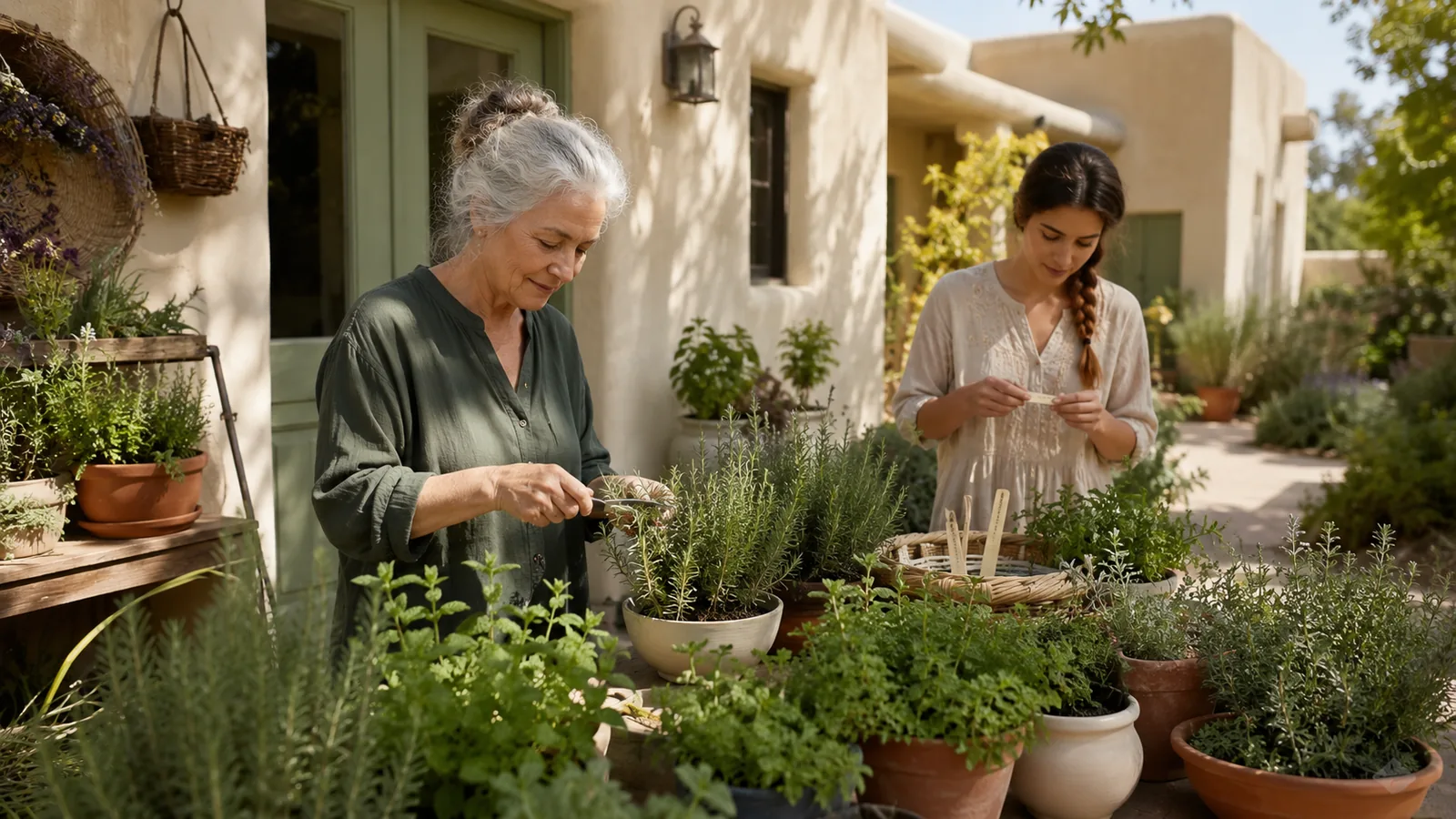
Green beans grow very well in pots this fall if you use an 8-inch-deep container, sow the seeds 1 inch deep, and keep the mix evenly moist in 6 to 8 hours of direct sun. Choose bush beans for the simplest setup, or grow pole beans in a 5-gallon pot with a trellis installed before the vines climb. The pot is not the hard part.
Can you grow green beans in pots?
Yes, you can grow green beans in pots, and a container is a practical choice when your ground is caliche, crowded, or simply not worth arguing with. An 8-inch-deep, 8-inch-wide pot holds one bush bean, while a 5-gallon pot holds up to three bush or pole beans, according to The Old Farmer's Almanac.
Use a container with drainage holes. A decorative pot without them is a little pond wearing a hat, and bean roots do not enjoy sitting in water.
For a fall planting, check the daytime temperature before you sow. Beans perform best around 70 to 85 degrees Fahrenheit, so a warm October stretch in Central Texas can work, while a cool spell that stays below that range may slow germination and flowering, as Gardyn explains.
If you want help laying out a container grouping before you buy anything, get a concept for your yard can help you place pots where they actually receive sun.
What size pot is best for green beans?
An 8-inch-deep and 8-inch-wide pot is the minimum useful size for one bush bean, while a 5-gallon container gives you enough soil volume for up to three bush or pole beans. Larger pots hold moisture longer, but they also weigh more and cost more to fill, so match the container to the number of plants.
For one bush bean, use a pot at least 8 inches deep and 8 inches wide. I prefer a 10 to 12-inch-wide container if you have room because the extra mix gives you more forgiveness between waterings.
For three plants, use a 5-gallon pot. Do not put three plants in a tiny nursery container because the seed packet sounded optimistic. Roots compete, the pot dries quickly, and your harvest pays the bill.
Fill the container with high-quality potting mix blended with compost. Garden soil is cheaper, but it becomes heavy in a pot and can drain poorly, especially if you are scooping from Austin black clay. A potting mix drains better, though it dries faster and needs closer attention.
Should you grow bush or pole beans in a container?
Grow bush beans if you want the simplest container harvest, and choose pole beans only if you are willing to install a trellis or stake before planting. Bush beans stay shorter and usually produce within 45 to 60 days; pole beans use vertical space but need support and more regular tying or guiding.
| Bean type | Best container setup | Main advantage | Honest downside |
|---|---|---|---|
| Bush bean | One plant in an 8-inch pot, or up to three in a 5-gallon pot | No trellis required and easy picking | Produces a shorter crop window and takes more floor space |
| Pole bean | Up to three plants in a 5-gallon pot with a trellis | Uses vertical space and can keep producing with regular picking | Needs sturdy support, extra height, and tying or guiding |
A trellis belongs inside or immediately beside the pot. Installing it after the vines are tall can disturb the roots, and the whole arrangement may lean like it has had a long week.
Pole beans make sense on a balcony, narrow patio, or sunny fence line. Bush beans win for a low setup beside the kitchen door.
You can compare varieties, growth habits, and care notes in the plant database before buying seed. The tradeoff is time spent comparing now instead of replacing a poor choice later.
How do you plant green beans in pots?
Plant green bean seeds directly in the container, 1 inch deep, after filling it with compost-enriched potting mix. Space bush bean seeds 2 to 4 inches apart, or sow three pole bean seeds in a 5-gallon pot, then press the soil gently and water immediately, following the planting guidance summarized by Gardyn.
If you want faster germination, soak the seeds in warm water for several hours before planting. Soaking can speed the start, but it adds one more step and does not rescue cold soil, bad drainage, or old seed.
Make a hole with your finger to 1 inch, place the seed, cover it, and firm the surface lightly. Good seed-to-soil contact matters because an air pocket leaves the seed waiting in a dry little cave.
For bush beans, place the seeds 2 to 4 inches apart in a broad container. For pole beans, arrange three seeds around the support, with enough room that the seedlings are not pressed against one another.
Water until excess drains from the bottom. Keep the mix moist but not soggy until seedlings emerge, usually in about one week. Do not keep pouring water because the surface looks dark at noon. Check the soil instead.
Where should a pot of green beans sit in fall?
Put green beans where they receive 6 to 8 hours of direct sunlight each day, with daytime temperatures near 70 to 85 degrees Fahrenheit. A south or west-facing patio can work in fall, but a hot wall may push blossoms past their comfort zone, so watch the plant rather than trusting the calendar.
The University of Georgia recommends six to eight hours or more of sunlight for strong bean growth in its home garden guidance. That is direct light, not a bright porch that receives a thin slice of sun from 3:00 to 3:20.
In Austin, I would give the pot morning sun and some relief from the harshest late-afternoon heat if the temperature is still in the upper 80s or higher. The pot will heat and dry faster than a garden bed.
I learned this the unromantic way, standing beside a pot with a hose in one hand and a wilted bean leaf in the other while the rest of the yard pretended September was reasonable. Containers do not care about your schedule.
Turn the pot a quarter turn every few days if one side grows faster. That keeps the plant balanced, but it can also disturb a tall pole setup, so secure the trellis before rotating anything.
How often should you water green beans in pots?
Water immediately after sowing, then keep the soil consistently moist but not soggy until seedlings appear. After that, water when the top inch of mix feels dry, preferably in the morning, and direct water at the soil instead of the foliage to reduce disease risk, as advised by Texas A&M AgriLife Extension.
Push your finger 1 inch into the mix each morning for the first two weeks. If it feels dry at that depth, water slowly until a little drains from the bottom.
Morning watering gives the leaves and surface time to dry. The tradeoff is that you need to be awake and paying attention, which is less glamorous than a timer but more accurate for a new container.
A pot may need water daily during a hot, windy stretch, while a cloudy 70-degree week may require less. Do not follow a fixed Monday, Wednesday, Friday schedule. The weather did not agree to that schedule.
If water runs down the sides without soaking the center, the mix may have dried and pulled away from the pot. Apply water in two slow passes, five minutes apart, so the middle has a chance to absorb it.
Should you fertilize green beans grown in pots?
Use a low-nitrogen fertilizer such as 5-10-10 at planting, then apply it again at half strength when the first pods appear. Beans need support for flowering and pods, but excessive nitrogen can produce lots of leaves with fewer beans, a common container mistake covered in Texas A&M AgriLife's bean guide.
A useful scale is about 5 pounds of fertilizer per 100 feet of garden row, reduced to the amount listed for your container. Do not dump a garden-row dose into one pot. That is not enthusiasm. That is salt buildup waiting for a dry afternoon.
Mix compost into the potting medium before sowing. Compost improves the planting mix, but it is not a complete substitute for measured fertilizer, especially after repeated watering leaches nutrients from a container.
Choose low nitrogen rather than a leafy-green fertilizer. The tradeoff is that the plant may look less dramatic, but the goal is pods, not a small green shrub with nothing to pick.
Apply fertilizer to moist soil, not bone-dry mix. Water lightly afterward if the product label calls for it, and follow the label because formulations vary.
When can you harvest green beans from a pot?
Harvest green beans about 45 to 60 days after planting, picking pods while they are young and tender. Check the plants every day or two once pods form because frequent picking encourages continued production, while leaving mature pods on the plant tells it to slow down and make seed.
Pick in the morning when the plant is hydrated and the pods are firm. Hold the vine with one hand and snap or cut the pod with the other so you do not pull the plant off its support.
Your first harvest may be small. That is normal for a container, especially if fall temperatures move outside the preferred range or the pot dries between waterings.
Store picked beans in a cool, dry place, or process them promptly if you plan to keep them longer. The tradeoff is that fresh beans lose quality if ignored on the counter, so harvest size should match what you can use.
Ask yourself a plain question: can you check the pot every morning and pick every couple of days? If the answer is no, choose bush beans in one container rather than several pole pots. Fewer plants are easier to keep alive.
Who are green beans in pots for, and who should skip them?
Green beans in pots suit renters, patio gardeners, homeowners with poor soil, and anyone who can provide 6 to 8 hours of sun and check moisture most mornings. Skip them for now if your only spot is deep shade, you cannot add a trellis for pole types, or nobody can water during a hot week.
This is a good project for a first-time gardener because the seed goes straight into the pot and germination often takes about a week. Direct sowing avoids transplant shock, but it gives you less control if the fall temperature changes suddenly.
It also suits a Round Rock grandmother with a sunny step and a Del Valle homeowner whose ground has more limestone than cooperation. I would not use a container bean project to solve a full food supply. Three plants are still three plants.
If deer regularly reach your patio, place the pot where the animals cannot browse it or add a physical barrier. Moving the pot is simple when it is small and a regrettable weight-lifting event after the trellis and wet soil are involved.
What is the best pot size for green beans?
The best minimum pot size is 8 inches deep and 8 inches wide for one bush bean, while a 5-gallon pot can hold up to three bush or pole beans. Use a larger container if you can because more soil holds moisture longer, but make sure the pot still has drainage holes and can be moved safely.
How deep should you plant green bean seeds in a pot?
Plant green bean seeds 1 inch deep in potting mix, then press the soil gently around them and water immediately. Keep the mix moist but not soggy until seedlings emerge, which usually takes about one week under suitable temperatures. Planting deeper can slow emergence, while shallow seed may dry before it establishes.
Do green beans need a trellis in a pot?
Pole green beans need a trellis or stake installed inside or immediately beside the pot, while bush beans usually do not need support. Put the support in place before the vines climb so you do not damage roots later. The trellis adds height and harvest potential, but it also makes the container heavier and more exposed to wind.
How much sun do potted green beans need?
Potted green beans need 6 to 8 hours of direct sunlight each day, with daytime temperatures ideally around 70 to 85 degrees Fahrenheit. Morning sun with some late-afternoon protection can help during a hot Central Texas fall. Too little light produces weak growth, while excessive heat can cause blossoms to wilt or turn yellow.
How often should you water green beans in pots?
Water green beans in pots whenever the top inch of potting mix feels dry, checking each morning during hot or windy weather. Keep the mix moist but not soggy, and water the soil rather than the leaves. A container may need daily water during a hot stretch, but a cool cloudy week can require less.
How long do green beans take to harvest from a pot?
Green beans usually take about 45 to 60 days from planting to harvest, though temperature, sunlight, moisture, and variety affect the schedule. Pick pods while they are young and tender, checking every day or two once production begins. Regular picking encourages more pods, while mature pods left on the plant can slow new production.
Want a plan for your own yard?
Tell us the space and we will put a planting plan together for it. Start at get my concept, or browse what actually grows where you are over on plants.
Frequently asked questions
What is the best pot size for green beans?
The best minimum pot size is 8 inches deep and 8 inches wide for one bush bean, while a 5-gallon pot can hold up to three bush or pole beans. Use a larger container if you can because more soil holds moisture longer, but make sure the pot still has drainage holes and can be moved safely.
How deep should you plant green bean seeds in a pot?
Plant green bean seeds 1 inch deep in potting mix, then press the soil gently around them and water immediately. Keep the mix moist but not soggy until seedlings emerge, which usually takes about one week under suitable temperatures. Planting deeper can slow emergence, while shallow seed may dry before it establishes.
Do green beans need a trellis in a pot?
Pole green beans need a trellis or stake installed inside or immediately beside the pot, while bush beans usually do not need support. Put the support in place before the vines climb so you do not damage roots later. The trellis adds height and harvest potential, but it also makes the container heavier and more exposed to wind.
How much sun do potted green beans need?
Potted green beans need 6 to 8 hours of direct sunlight each day, with daytime temperatures ideally around 70 to 85 degrees Fahrenheit. Morning sun with some late-afternoon protection can help during a hot Central Texas fall. Too little light produces weak growth, while excessive heat can cause blossoms to wilt or turn yellow.
How often should you water green beans in pots?
Water green beans in pots whenever the top inch of potting mix feels dry, checking each morning during hot or windy weather. Keep the mix moist but not soggy, and water the soil rather than the leaves. A container may need daily water during a hot stretch, but a cool cloudy week can require less.
How long do green beans take to harvest from a pot?
Green beans usually take about 45 to 60 days from planting to harvest, though temperature, sunlight, moisture, and variety affect the schedule. Pick pods while they are young and tender, checking every day or two once production begins. Regular picking encourages more pods, while mature pods left on the plant can slow new production.
Free, no obligation
Ready to design your dream landscape? Start here.
Tell us where you are and we will start a free profile for you, with plants that actually survive your climate and a real sense of what the build would cost.