
Which Crops Can Survive Under Snow, and Do Hard Freezes Make Them Sweeter?
Several root crops and brassica greens can stay in the garden through frost and snow, and many taste sweeter afterward. Here is what to leave outside, what to cover, and what to do in the garden this fall.
September 20, 2026
By Diego Navarro
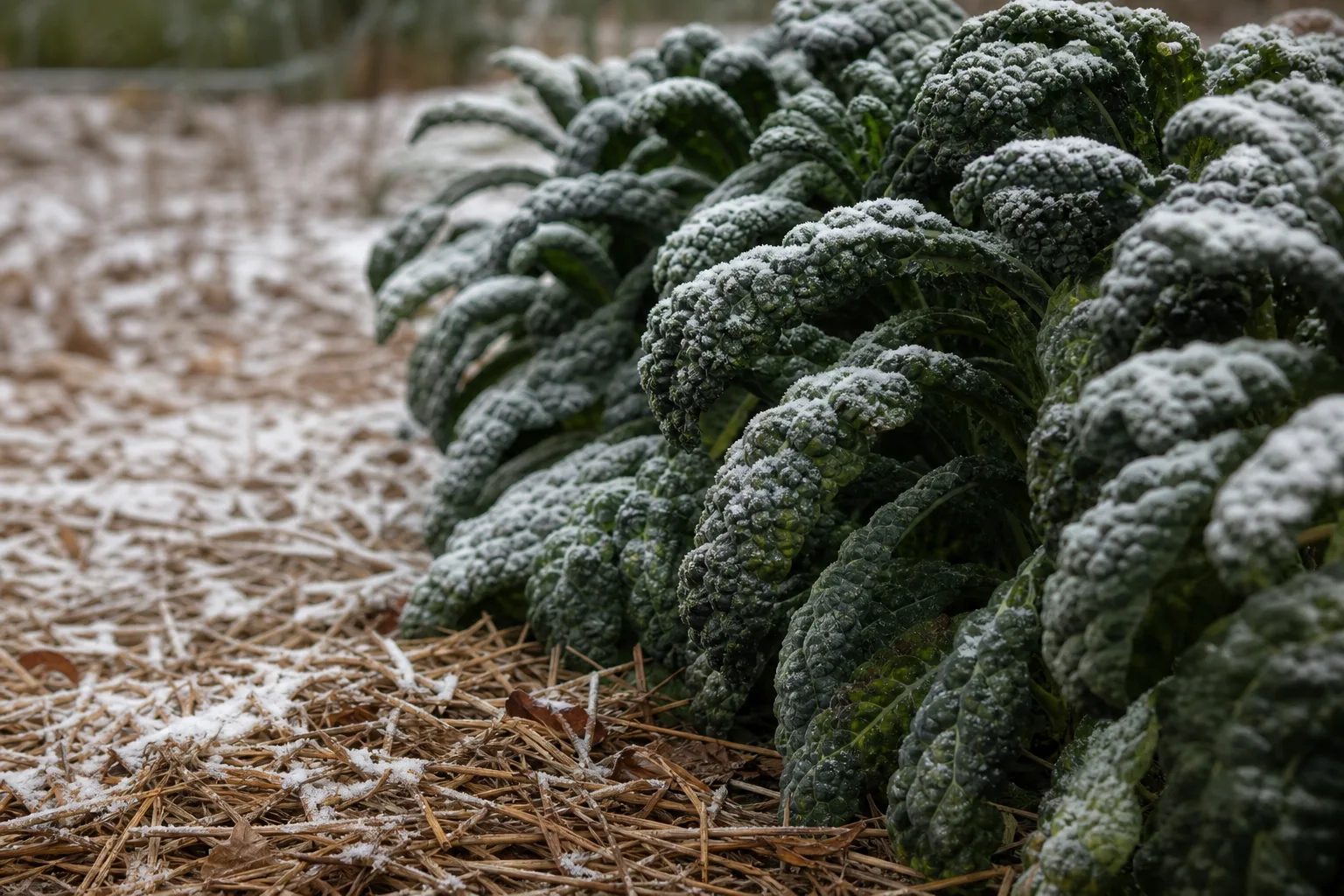
Carrots, beets, parsnips, turnips, rutabagas, Brussels sprouts, kale and other brassica greens are the crops I would leave outside for a hard freeze, because cold can make their roots or leaves noticeably sweeter. Lettuce, spinach and radishes can also overwinter in a mild winter, but they need more protection from wind, ice and packed snow than the root crops do.
Which crops can survive under snow?
Carrots, beets, parsnips, turnips, rutabagas, Brussels sprouts, kale and other brassica greens are the most dependable crops to leave in the garden through frost and snow. Lettuce, spinach and radishes are possible in milder climates, especially under a row cover or low tunnel, but they are less forgiving when ice, wind and repeated freezing damage the leaves.
The useful distinction is between a crop that protects its food underground and one that holds exposed leaves above ground. Carrots, parsnips, turnips and rutabagas have the better winter odds because the edible portion is below the soil. Their tradeoff is that frozen soil can make harvesting a shovel job.
Brussels sprouts and kale keep their harvest above ground and still tolerate cold well. Their tradeoff is physical damage from wind and heavy, wet snow, particularly if the plants are tall or already leaning.
Lettuce, spinach and radishes may survive an entire mild winter, as documented in the fall garden guidance from WV News, but I would not call them guaranteed snow crops. In Austin, snow is an occasional visitor, not a calendar event, and a sudden freeze can still flatten tender leaves.
Does a hard freeze really make these crops sweeter?
Yes, a hard freeze can make carrots, beets, parsnips, turnips, rutabagas, Brussels sprouts and kale taste noticeably sweeter, which is why you should not rush to pull them before winter. The tradeoff is that sweetness does not repair frost damage, so exposed leaves still need protection from wind, ice and heavy snow.
The planting calendar guidance from SeedsNow specifically identifies beets, parsnips, carrots, Brussels sprouts, kale, turnips and rutabagas as crops that may taste sweeter after frost: read the crop list here. That is the position I would build around. Let the cold do a little work before you harvest.
Everyone says the first frost means the garden is finished. In practice, it often marks the beginning of the best harvest window for these crops, because the plants are still usable and the flavor can improve after cold weather.
Do not confuse a sweetened crop with an indestructible crop. A carrot may sit safely under soil while kale gets shredded by wind, and a turnip may survive cold while a lettuce head collapses under ice. The weather gets a vote. It is not sentimental.
How should you prepare a bed before the first hard freeze?
Water the bed evenly before the first hard freeze, then add 3 to 6 inches of straw, pine needles or shredded leaves after the first frost. Moist soil releases heat as water freezes and can reduce cold shock, while the mulch protects roots from rapid temperature swings without being applied early enough to keep the soil too warm.
The NC State guidance on winter protection explains that irrigation before a hard freeze can release heat as water freezes, helping moderate cold temperatures around overwintering plants. Water the soil deeply enough to moisten the root zone, but do not leave standing water in heavy clay.
If you garden in Austin black clay, that last part matters. The clay holds water, swells, shrinks and moves anything you set on it, so a wet bed can become a frozen brick instead of a helpful reservoir. Moist is good. Saturated is a different animal.
I learned the basic lesson from my father's twelve foot strip of clay along the driveway in New Jersey. We watered before a freeze because dry soil felt meaner the next morning, though down here I check the drainage first. The ground gets a vote in every state.
When should you mulch crops for winter?
Apply winter mulch after the first frost, not several weeks before it, using a 3 to 6 inch layer of straw, pine needles or chopped leaves. Early heavy mulch can keep the soil warmer and reduce winter hardiness, while properly timed mulch protects roots after the plants have experienced the first real cold.
Straw is my first choice for root crops because it is easy to pull aside for harvest, but it can blow across an open bed and may stay wet. Pine needles shed water and resist packing, but they can be awkward to gather in enough volume. Shredded leaves are cheap and effective, but whole leaves mat into a cold, wet blanket.
The NC State winterizing guidance recommends applying organic mulch after the first hard freeze and removing most of it as new growth begins in spring: see the timing and depth recommendation. That is better than piling mulch on warm soil in October and hoping the calendar sorts it out.
Use 3 inches around established greens and closer to 6 inches over beds where roots will stay in the ground. Keep mulch from pressing tightly against the crown or stem, because trapped moisture can soften the plant at the exact point you hoped to protect.
Should you use row cover, a Reemay sheet or a low tunnel?
Use a row cover, Reemay sheet or low tunnel over lettuce, spinach, radishes and exposed brassica greens when serious cold, wind or snow is forecast. These covers do not turn winter into summer, but they reduce wind damage and keep snow and ice from sitting directly on the leaves; the tradeoff is daily checking for packed snow, trapped moisture and torn fabric.
A lightweight row cover is the simplest option for a small bed. It costs less and can be lifted quickly, but wind can get underneath it unless you secure every edge with soil, boards or landscape pins.
A Reemay sheet works as a row-cover material, but the name does not change the physics. It still needs support over the crop, and fabric lying directly on wet leaves can freeze to them. Leave enough slack for growth and anchor the sides.
A low tunnel gives leaves more room and sheds some snow, but hoops and anchors take more time, and a heavy snow or ice load can crush the structure. Clear compacted snow periodically rather than letting it build into a frozen roof. The winter garden is not self-managing, despite its confident appearance.
Which winter protection option is best for each crop?
Choose mulch for roots, cover for leafy crops, and both for a mixed bed that must remain harvestable through snow. Root crops need protection from frozen soil, while lettuce, spinach, radishes and brassica greens need protection from wind and ice; no single option is best for every crop.
| Crop or method | Best use | Honest downside |
|---|---|---|
| Carrots, beets, parsnips, turnips and rutabagas | Leave in soil with 3 to 6 inches of mulch | Frozen ground can make harvest difficult |
| Brussels sprouts and kale | Leave outside, preferably with cover in exposed sites | Tall leaves and stems can break under wet snow |
| Lettuce, spinach and radishes | Row cover or low tunnel in a mild winter | Repeated freezes can still kill exposed leaves |
| Straw mulch | Cover root beds after first frost | It can blow away or remain wet |
| Pine needle mulch | Protect beds while resisting compaction | It takes a large volume to cover a wide bed |
| Shredded leaf mulch | Affordable protection for roots and crowns | It can mat and hold too much moisture |
| Row cover or Reemay sheet | Shield leafy crops from wind, ice and snow | It needs firm anchoring and regular inspection |
| Low tunnel | Give leafy crops extra overhead protection | Snow and ice can crush the hoops or fabric |
I would use a 4 inch straw layer over carrots and turnips, then a secured row cover over spinach and lettuce. That combination costs less than building a permanent cold frame and gives you access to harvest without uncovering the whole bed.
If you are unsure whether a plant belongs in this plan, check the plant database for its cold tolerance and harvest timing. A pretty label at the nursery is not a winter guarantee.
Who is overwintering crops under snow for?
Overwintering crops under snow suits gardeners in climates with a real cold season, beds that drain well, and people willing to check covers after storms. It suits root crops especially well. Ignore the plan for tender tomatoes, peppers, snap beans and squash, or for any bed that stays waterlogged through winter, because frost will finish those crops rather than sweeten them.
This method is for the gardener standing beside a living fall bed, not someone trying to revive a dead one in December. You need healthy plants, evenly moist soil, mulch after the first frost and a way to reach the bed during bad weather.
It is also useful if you want harvest spread across several weeks instead of pulling everything on one Saturday. Parsnips and carrots can wait under mulch, while kale and Brussels sprouts can keep producing above it.
It is not a good fit for a low spot that holds water, a site with no way to anchor cover, or a warm climate where winter plants keep growing but never receive enough cold to slow them down. Central Texas gives us strange winters, so I plan for a freeze and still keep a backup harvest.
What should you do in the garden this fall?
Harvest tender tomatoes, peppers, snap beans and squash before a killing freeze, then leave mature carrots, beets, parsnips, turnips, rutabagas, Brussels sprouts and kale in place if they are healthy. Water the bed evenly, wait until after the first frost, add 3 to 6 inches of mulch, and cover leafy crops before severe weather.
Start by removing dead leaves and damaged stems so rot does not sit against healthy growth. Do not prune a living crop simply to make the bed look tidy. Winter has enough housekeeping already.
Next, secure a row cover over lettuce, spinach and radishes if your forecast includes snow, freezing rain or strong wind. Those crops may survive in a mild winter, but cover protects them from abuse more reliably than wishful thinking.
Check the bed after every substantial snow or ice event. Brush off compacted snow before it bends stems or crushes a low tunnel, and open the cover briefly on a mild day if moisture is collecting inside.
If you want to see how the bed could be laid out before you move hoops and mulch, use the free get a concept for your yard. Keep the design practical. You still have to dig it.
What are the most common questions about crops that survive under snow?
The short answers are simple: leave cold-tolerant roots and brassicas in place, protect leafy crops, mulch after the first frost, and keep the soil evenly moist before severe cold. Snow can insulate a bed, but packed snow and ice can also crush leaves and structures, so winter protection still needs inspection.
Which vegetables taste sweeter after a hard freeze?
Carrots, beets, parsnips, turnips, rutabagas, Brussels sprouts and kale can taste noticeably sweeter after a hard freeze, so you do not need to harvest them at the first frost. Their tradeoff is that sweetness does not prevent physical damage, and roots may become difficult to pull once the soil freezes solid.
Can lettuce and spinach survive winter under snow?
Lettuce and spinach can survive a mild winter under snow, especially with a row cover or low tunnel, but they are less dependable than carrots, parsnips or kale. Cover mainly protects them from wind, ice and snow weight, and it cannot guarantee survival through repeated severe freezes.
When should I add mulch to an overwintering vegetable bed?
Add 3 to 6 inches of straw, pine needles or shredded leaves after the first frost, rather than applying heavy mulch while the soil is still warm. Most of the mulch should come off as spring growth begins, because leaving a thick wet layer in place can delay growth and hold moisture against crowns.
Should I water the garden before a hard freeze?
Yes, water the soil evenly before a hard freeze if the bed is dry and drains properly, because freezing water releases heat that can moderate cold around overwintering plants. Do not saturate heavy clay or create standing water, since wet soil can freeze into a dense block and damage roots.
Is a low tunnel better than row cover for winter greens?
A low tunnel gives winter greens more overhead space and can reduce direct snow and ice contact, but it costs more time to build and can collapse under a heavy load. Row cover is simpler and cheaper, but every edge must be anchored and the fabric needs inspection after wind and snow.
Should I leave Brussels sprouts and kale in the garden all winter?
Yes, Brussels sprouts and kale can stay in the garden through frost and may taste sweeter afterward, especially when protected from wind and heavy snow. Their downside is exposed growth: tall stems and leaves can break, so use a cover in open sites and clear compacted snow from the plants.
Want a plan for your own yard?
Tell us the space and we will put a planting plan together for it. Start at get my concept, or browse what actually grows where you are over on plants.
Frequently asked questions
Which vegetables taste sweeter after a hard freeze?
Carrots, beets, parsnips, turnips, rutabagas, Brussels sprouts and kale can taste noticeably sweeter after a hard freeze, so you do not need to harvest them at the first frost. Their tradeoff is that sweetness does not prevent physical damage, and roots may become difficult to pull once the soil freezes solid.
Can lettuce and spinach survive winter under snow?
Lettuce and spinach can survive a mild winter under snow, especially with a row cover or low tunnel, but they are less dependable than carrots, parsnips or kale. Cover mainly protects them from wind, ice and snow weight, and it cannot guarantee survival through repeated severe freezes.
When should I add mulch to an overwintering vegetable bed?
Add 3 to 6 inches of straw, pine needles or shredded leaves after the first frost, rather than applying heavy mulch while the soil is still warm. Most of the mulch should come off as spring growth begins, because leaving a thick wet layer in place can delay growth and hold moisture against crowns.
Should I water the garden before a hard freeze?
Yes, water the soil evenly before a hard freeze if the bed is dry and drains properly, because freezing water releases heat that can moderate cold around overwintering plants. Do not saturate heavy clay or create standing water, since wet soil can freeze into a dense block and damage roots.
Is a low tunnel better than row cover for winter greens?
A low tunnel gives winter greens more overhead space and can reduce direct snow and ice contact, but it costs more time to build and can collapse under a heavy load. Row cover is simpler and cheaper, but every edge must be anchored and the fabric needs inspection after wind and snow.
Should I leave Brussels sprouts and kale in the garden all winter?
Yes, Brussels sprouts and kale can stay in the garden through frost and may taste sweeter afterward, especially when protected from wind and heavy snow. Their downside is exposed growth: tall stems and leaves can break, so use a cover in open sites and clear compacted snow from the plants.
Free, no obligation
Ready to design your dream landscape? Start here.
Tell us where you are and we will start a free profile for you, with plants that actually survive your climate and a real sense of what the build would cost.