
How Long Does It Take to Convert a Lawn to a Native Meadow?
A native meadow usually needs three growing seasons to look established. Here is what to do this fall, what each year really looks like, and why the first season will test your patience.
September 19, 2026
By Diego Navarro
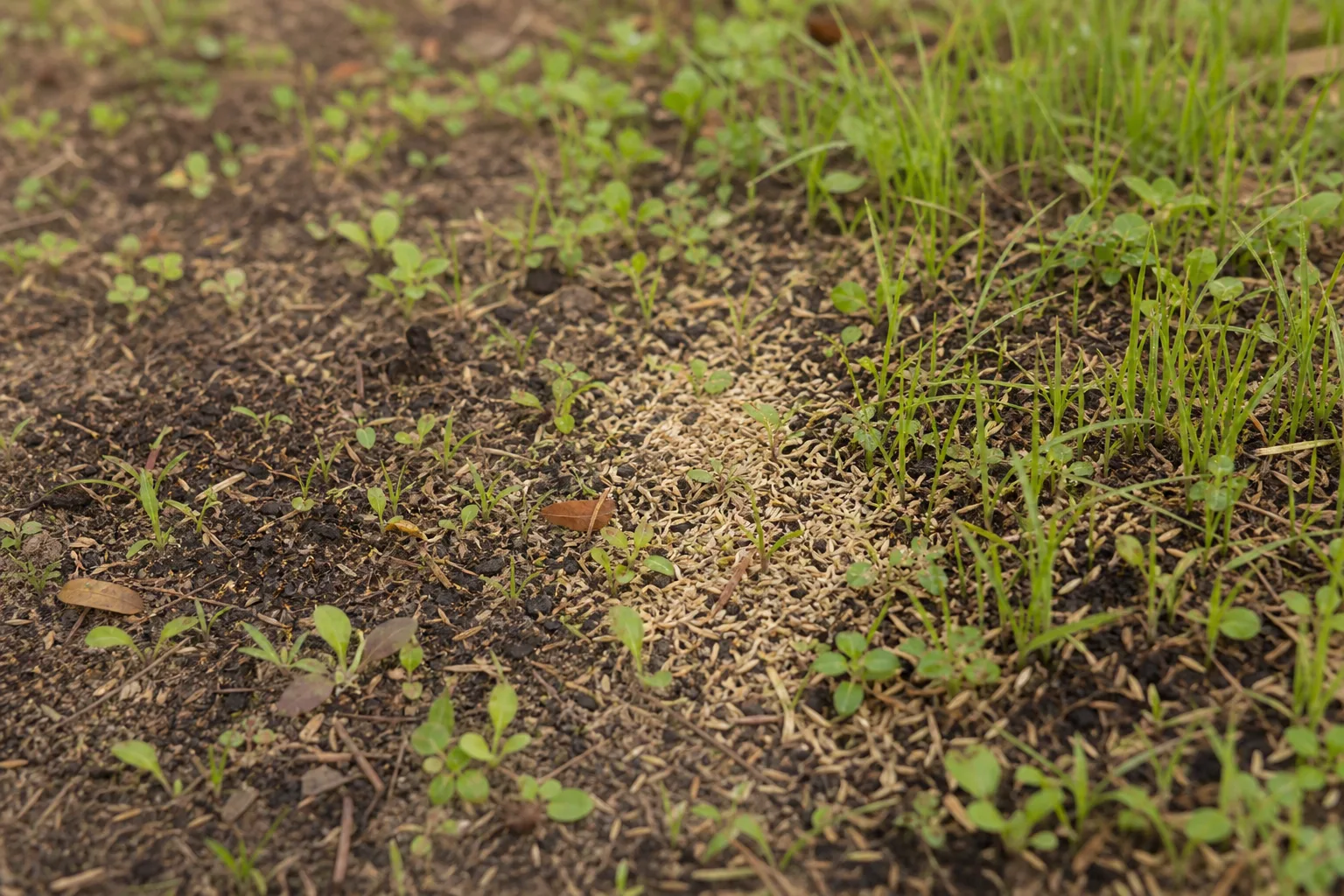
Plan on three years before a former lawn looks like the native meadow in a garden photograph. Start this fall by removing the turf, preparing the seedbed, and sowing a region-appropriate mix, then expect a thin first year, a fuller second year, and a dense, flowering third year.
How long does it take for a lawn to become a native meadow?
A native meadow takes about three years to reach a mature, meadow-like appearance after the lawn is removed and native seed is sown. The first year is for establishment and weeding, the second year builds density, and the third year is when the planting usually looks full enough to resemble a professionally designed garden. The University of Maryland Extension gives the same three-year maturity estimate.
That does not mean the first two years are failures. They are the work.
In Austin, I tell people to judge the project after September of year three, not after the first pretty flush of spring. A fifth week over 100 degrees has a way of exposing every shortcut in the plan.
A meadow also will not look like a controlled border. Grow Native! distinguishes a designed native planting from a naturalistic meadow, where plants grow more randomly. Decide which look you want before you buy seed.
What should you do to a lawn this fall before sowing meadow seed?
This fall, remove the existing turf, loosen the soil without burying fresh weed seed, and sow a region-appropriate native grass and wildflower mix while the soil can stay evenly moist. For many meadow designs, a starting blend near 60 percent grass and 40 percent flowers gives structure without turning the planting into a row of isolated blooms.
First mark the area and decide how you will remove the grass. Do not scatter seed across living turf and call it a meadow. The lawn will compete for light, water, and space, and the seed will not get the clean soil contact it needs.
After removal, loosen the upper soil and amend only if a soil test or obvious site problem justifies it. Overworking the ground can bring buried weed seed to the surface. Black clay that holds water through a wet winter needs a different correction than shallow soil over limestone, so one recipe for every Austin yard is nonsense.
Sow the seed evenly, press it into contact with the soil, and cover it with only a light layer of mulch. Thick mulch buries small seed and creates a second problem before the first one is finished.
Which lawn removal method should you choose?
Choose the removal method based on the size of the area and how quickly you need bare soil, but I would use a sod cutter for a large, accessible lawn and hand digging for a small patch. Sheet mulching works where patience matters more than speed, although it takes two to three months before the ground is ready for sowing.
| Removal method | Best use | Honest downside |
|---|---|---|
| Sod cutter | Larger, accessible areas that need quick removal | Rental cost, difficult handling, and a large volume of sod to dispose of |
| Sheet mulch with cardboard and mulch | Small patches where you can wait two to three months | Slow, and the surface is not ready for immediate sowing |
| Hand digging | Small sections that need immediate removal | Laborious, uneven, and hard on your back over a large area |
A sod cutter can clear a broad lawn in one day, but it leaves rolls or slabs of sod that must go somewhere. Rewilding Magazine identifies both the rental cost and disposal burden as real drawbacks. The tool also gets awkward near trees, fences, irrigation, and rock.
Sheet mulching with cardboard and mulch is gentler on your back, but it is not instant. Cardboard blocks light while it breaks down, and mulch protects the surface, yet the method loses its advantage if you need to plant next weekend.
Hand digging gives immediate control over a small patch. It also gives you the least forgiving bill in labor. I have hit limestone a few inches down and spent two hours making one honest hole with a rock bar. That is not a meadow method for a quarter-acre lawn.
What will the first year of a native meadow look like?
The first growing season will usually look patchy, thin, and less impressive than the lawn you removed. You should expect regular weeding every four to six weeks, careful moisture during the first several weeks after sowing, and bare spaces while the native grasses and wildflowers establish their roots.
This is the year people panic. They see weeds, open soil, and a few brave seedlings, then assume the seed failed.
Some weeds will be faster than the plants you want. Remove aggressive competitors while they are small, but learn the seedlings before you pull them. A meadow is not maintenance-free in year one. It is a young planting with a public relations problem.
Keep the seedbed consistently moist for the first several weeks, without washing seed into a low spot. After that early period, follow the moisture needs of your site and season rather than running a hose by habit. Too much water can favor weeds and create weak growth.
Do not mow the whole area every week because it still looks untidy. That simply returns the lawn schedule to the project you were trying to leave behind.
What changes in the second year of a native meadow?
The second year usually brings a much fuller stand, fewer weed problems, and clearer evidence that the meadow is becoming a community rather than a bare seedbed. Maintenance becomes lighter, but you still need to remove aggressive weeds and watch for invasive plants that are moving into the planting.
Year two is when spacing begins to make sense. Plants that looked lonely in year one start occupying the gaps, and grasses provide a more continuous base around the flowering plants.
Everyone says a meadow should be low maintenance. In practice, the second year is lower maintenance, not no maintenance, because fast growers can still set seed before the slower natives establish.
I would walk the area every two weeks during active growth and spend a short amount of time pulling obvious invaders. That is easier than waiting until fall and discovering that one aggressive plant has occupied a ten-foot patch.
If you want a more orderly appearance, define an edge with a path or mown strip. A clean edge makes random growth look designed, while an undefined edge can make a healthy meadow look abandoned.
When should you mow a native meadow?
After the first year, plan one annual mow in late summer to control aggressive growth and encourage seed heads, unless site conditions or local guidance call for a different schedule. Once the meadow is established, occasional mowing once or twice a year is generally enough, along with periodic removal of invasive plants.
Do not mow during the first growing season simply because the planting is uneven. First-year mowing can remove young native plants before they have built enough strength to compete.
Late summer mowing is a management tool, not a beauty treatment. It knocks back plants that are taking over and leaves the meadow ready for the next cycle. The tradeoff is obvious: the area will look cut down for a while.
Leave the seed heads through the season rather than trimming every flower as it fades. The research supports annual management after establishment, but it does not promise that every site needs the same exact calendar date. Watch the plants and the weather.
In Central Texas, I would not schedule a rigid date months ahead. A wet August, an early cold spell, or a seed head still holding value can change the sensible week.
Who is a three-year native meadow conversion for, and who should ignore it?
A three-year meadow conversion suits homeowners who can tolerate a patchy first season, weed every four to six weeks, and wait for the planting to mature. It is a poor fit for a front yard that must look finished this spring, a small property governed by strict lawn rules, or anyone unwilling to remove turf before sowing seed.
This approach fits a side yard, back garden, drainage area, or front section where you can create a clear edge. It also fits a homeowner who wants more living structure than a weekly-cut lawn provides and can accept seasonal change.
It does not fit a property where bare ground would create an immediate erosion or access problem. It also does not fit a homeowner who wants the exact flower arrangement shown in a photograph. A meadow grows with variation. That is the deal.
The University of Maryland Extension notes that native meadows can be expensive to establish and still require weeding during establishment and occasional mowing. The lower maintenance comes after the difficult beginning, not instead of it.
Ask yourself one plain question: can you stand to see a thin, weedy-looking planting for twelve months? If the answer is no, convert one smaller section first rather than betting the whole lawn on your patience.
How much does converting lawn to meadow cost and what causes overruns?
The cost depends mainly on the area, the removal method, seed quantity, soil preparation, disposal, and how much establishment weeding you can do yourself. Sod cutting can add rental and disposal costs, while sheet mulching spreads the work over two or three months and hand digging replaces equipment expense with your own labor.
A large area becomes expensive before seed is even opened. Removing and hauling sod can cost more than people expect because the material is bulky and heavy.
A small patch can be cheaper, especially if you dig it yourself, but that does not make it free. Cardboard, mulch, seed, soil testing, edging, and water all add up, and the project still demands several rounds of weeding.
The most common overrun is redoing preparation after seed has already been spread. If the soil is compacted, the turf is still alive underneath, or the seed is buried under too much mulch, you pay twice in time.
For a design that needs paths, a crisp edge, or a connected planting plan, use get a concept for your yard before ordering materials. Valeria draws the pretty version. I have to build the part that meets the rock.
How can you tell whether a meadow is on schedule?
A meadow is on schedule if year one shows living native seedlings despite gaps, year two shows a noticeably fuller stand with fewer weeds, and year three shows dense growth, flowering, and a stable appearance that needs only occasional mowing and invasive-plant removal. Judge progress by seasonal change, not by comparing one week to a finished photograph.
Photographs flatten time. The image you like may show the third year at peak flowering, while your planting is standing in its first fall with seed barely touching the soil.
Keep a simple monthly record from sowing through the first three years. Take one photograph from the same spot, note bare areas, and record whether weeds are increasing or decreasing. The trend matters more than one disappointing month.
For plant choices suited to your region, compare mature size, bloom timing, and site conditions in our plant database. Every plant has a tradeoff, and a seed mix sold as “native” is not automatically right for your soil, rainfall, or maintenance plan.
The honest target is not perfection after twelve weeks. It is a healthier, denser, more stable planting after three growing seasons.
What are the most common questions about a three-year meadow conversion?
These six questions cover the decisions that matter most if you are standing in the yard this fall and deciding whether to remove the lawn now or wait. The short answers are direct, but each one rests on the same timeline: preparation first, establishment second, maturity third.
How long does it take for a lawn to become a native meadow?
A lawn takes about three years to become a mature-looking native meadow after turf removal and sowing. Year one is thin and patchy, year two builds density, and year three usually produces the full, flowering appearance shown in garden photographs. You still need periodic weeding and occasional mowing after maturity.
Is fall a good time to convert lawn to native meadow?
Fall is a good time to remove turf, prepare the soil, and sow a region-appropriate native mix. The seedbed should be lightly mulched and kept consistently moist for the first several weeks. Fall gives you a practical starting window, but the planting will still need a full first growing season to establish.
Can I spread native meadow seed directly over my lawn?
You should remove the existing lawn before sowing a native meadow mix because living turf competes with new seedlings for light, water, and space. A sod cutter, sheet mulch, or hand digging can work, but each has a different cost in time, labor, equipment, or disposal.
How often should I weed a new native meadow?
Weed a new native meadow about every four to six weeks during its first growing season. Regular checks give native seedlings a competitive edge before aggressive weeds become established. By the second year, weed problems should usually decrease, but you still need to remove invasive plants that enter the planting.
When should I mow a new native meadow?
Wait until after the first year, then plan an annual late-summer mow to control aggressive growth and encourage seed heads. An established meadow may need mowing once or twice a year, plus periodic invasive-plant removal. Mowing every week defeats the purpose of replacing the lawn.
Why does my native meadow look worse than the garden photo?
Your meadow may look worse than the garden photo because the photograph likely shows a mature third-year planting while your area is still in its thin first season. Native meadows need time to build density, and the early months require regular weeding and steady moisture. Give the project three growing seasons before judging its appearance.
Want a plan for your own yard?
Tell us the space and we will put a planting plan together for it. Start at get my concept, or browse what actually grows where you are over on plants.
Frequently asked questions
How long does it take for a lawn to become a native meadow?
A lawn takes about three years to become a mature-looking native meadow after turf removal and sowing. Year one is thin and patchy, year two builds density, and year three usually produces the full, flowering appearance shown in garden photographs. You still need periodic weeding and occasional mowing after maturity.
Is fall a good time to convert lawn to native meadow?
Fall is a good time to remove turf, prepare the soil, and sow a region-appropriate native mix. The seedbed should be lightly mulched and kept consistently moist for the first several weeks. Fall gives you a practical starting window, but the planting will still need a full first growing season to establish.
Can I spread native meadow seed directly over my lawn?
You should remove the existing lawn before sowing a native meadow mix because living turf competes with new seedlings for light, water, and space. A sod cutter, sheet mulch, or hand digging can work, but each has a different cost in time, labor, equipment, or disposal.
How often should I weed a new native meadow?
Weed a new native meadow about every four to six weeks during its first growing season. Regular checks give native seedlings a competitive edge before aggressive weeds become established. By the second year, weed problems should usually decrease, but you still need to remove invasive plants that enter the planting.
When should I mow a new native meadow?
Wait until after the first year, then plan an annual late-summer mow to control aggressive growth and encourage seed heads. An established meadow may need mowing once or twice a year, plus periodic invasive-plant removal. Mowing every week defeats the purpose of replacing the lawn.
Why does my native meadow look worse than the garden photo?
Your meadow may look worse than the garden photo because the photograph likely shows a mature third-year planting while your area is still in its thin first season. Native meadows need time to build density, and the early months require regular weeding and steady moisture. Give the project three growing seasons before judging its appearance.
Free, no obligation
Ready to design your dream landscape? Start here.
Tell us where you are and we will start a free profile for you, with plants that actually survive your climate and a real sense of what the build would cost.