
Should You Buy a Beehive This Fall? Beekeeping Basics Before You Commit
Before you order bees or build a hive stand, check local rules, find a mentor, and price the weekly work honestly. Fall is the right season to prepare, not to rush.
September 30, 2026
By Valeria Navarro
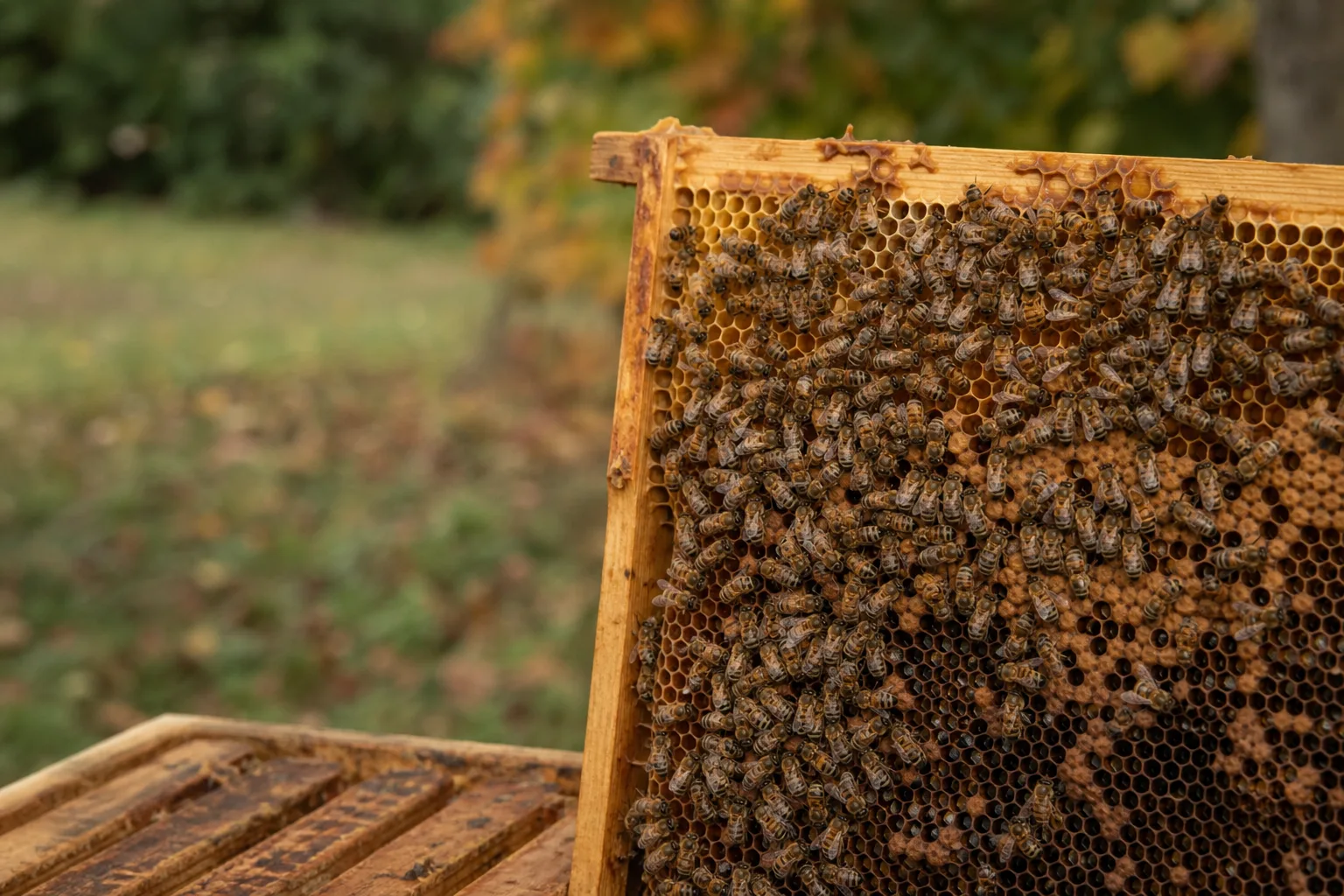
Before you buy a hive, check your municipality’s beekeeping rules, find a mentor, and accept that bees need regular attention every week in spring and fall. I would use fall to learn, choose a traditional Langstroth setup, budget $600 to $1,200, and plan for two hives instead of buying one colony on a hopeful Saturday.
Should you buy a beehive this fall?
Fall is a good time to prepare for beekeeping, but it is usually a poor time to rush into buying bees without a plan. Use these months to confirm local rules, take a beginner class, choose a mentor, price two hives, and learn how inspections, varroa control, and winter feeding fit your calendar.
The timing matters. A beginner curriculum recommends learning equipment, bee breeds, varroa management, seasonal care, and common mistakes before getting started. The Modern Beekeeping Skool beginner guide also stresses that poor placement and inadequate winter feeding can cause trouble before your first honey harvest.
Here in Austin, I would not place a hive and hope the colony figures out the rest through a February cold snap, an April hailstorm, and a long stretch above 100 degrees. I have killed plants by assuming a good intention counted as a care plan. Bees are less forgiving, and they can defend their front door.
Your fall checklist is simple:
- Call or email the municipality and ask for the current beekeeping ordinance.
- Look for a local club, class, or experienced beekeeper who allows a beginner to observe inspections.
- Choose the hive style your local mentors actually use.
- Make room in the budget for two hives, protective gear, tools, bees, feed, and pest control.
- Put inspection dates on your calendar before you order a colony.
That is the position I am taking: preparation beats possession. A box in the garden is not beekeeping yet.
What local rules should you check before buying bees?
Before buying bees, ask your municipality about hive registration, the number of colonies allowed, placement rules, fencing or flight barriers, water requirements, neighbor notification, and any setback or nuisance provisions. The exact rules belong to your city or county, so verify them directly rather than trusting a seller, a social media post, or an old neighbor’s memory.
Urban beekeeping courses commonly put laws near the beginning because compliance comes before equipment. The Complete Beginner’s Guide to Beekeeping treats the legal and practical setup as part of learning the craft, not as paperwork to handle later.
Write down the name of the office you contacted, the date, and the rule you were given. Rules can differ between a city lot, a county property, and a neighborhood association. If you rent, read your lease too. A landlord’s permission may be separate from municipal permission.
Ask one more question: what happens if a swarm leaves your property? You need to know who is responsible for reporting, removal, or complaints before the bees arrive. A sunny spot that violates a setback is still the wrong spot, and moving an established hive is harder than choosing correctly in November.
Do you need a beekeeping mentor before starting?
Yes, you should find a local mentor before buying bees because a beginner needs hands-on guidance with hive setup, seasonal inspections, brood health, varroa control, and weak colonies. A class gives you vocabulary and structure, but an experienced local beekeeper can show you what a real inspection looks like in your weather and your equipment.
Look for someone who can answer practical questions without selling you a dream. Ask how often they inspect, what hive style they use, how they monitor varroa, and whether you may watch an inspection before ordering bees. A mentor who says the work is occasional and effortless is not giving you the whole picture.
Short courses can be a useful starting point. McHenry County College’s Beekeeping 101, for example, is listed as four Wednesday evenings in February from 6:30 to 9:00 PM, with in-person and online options, followed by shorter special-topic classes in March, according to Bee Culture’s class listing. Your local schedule may look different, but the pattern is worth copying: learn the basics, then keep learning by season.
Join a local club if one is available. Clubs can help you hear how nearby beekeepers handle weather, pests, equipment, and swarms. You still need to judge advice carefully. Local experience is valuable, but “my bees survived it” is not the same as a repeatable plan.
How much time does beekeeping really take?
Beekeeping requires regular weekly checks during the active spring and fall seasons, plus deeper inspections for brood health, colony strength, pests, and food stores. It is not a once-a-month hobby if you want to manage colonies responsibly, because missed problems can grow between visits and may leave you scrambling during swarm or pest season.
The honest question is not, “Can I spare one Saturday?” It is, “Can I protect a regular inspection window for several months?” Plan for weekly visits in spring and fall, with extra attention when your mentor says colonies are building quickly, weakening, or facing pest pressure.
A quick outside look is not always enough. You may need to open the hive, inspect frames, assess brood, check pest control, and decide whether the colony needs help. Those deeper inspections take longer, especially while you are learning what healthy brood and adequate stores should look like.
Harvesting honey adds work. So does cleaning equipment, replacing damaged parts, feeding when appropriate, preparing for winter, and responding to a swarm. If you travel for more than a week during the active season, arrange a beekeeper who can inspect the colony, not just a neighbor who can glance at the entrance.
Everyone says bees are low maintenance. In practice, they are low maintenance only after you have built enough skill to notice trouble early. That skill costs time first.
How many hives should a beginner buy?
A beginner should plan for two hives, not one, because two colonies let you compare strength and give you a possible way to combine a weak colony with a stronger one. That doubles the initial responsibility and budget, but starting with one hive leaves you with fewer options when the colony struggles.
This is the part that surprises people. They want one little hive for honey, like a raised bed with a lid. Experienced beginner guidance commonly says you initially need two hives to support colony comparisons and possible combinations. The trade-off is real: two hives need twice the inspection space, equipment, and attention.
Two colonies are not a guarantee of success. One can still fail. You still need to learn varroa control, winter feeding decisions, and how to recognize poor brood health. The second hive gives you information and flexibility, not a magic safety net.
For an Austin garden, leave room around both hives for safe standing, lifting, and inspection. Do not wedge them behind the shed because you are embarrassed by the look. Bees need a workable home, and you need enough room to lift boxes without twisting your back or stepping into the flight path.
Which hive should a first-time beekeeper choose?
For a first hive, I would choose a traditional Langstroth setup because it is commonly recommended to beginners and is the equipment many mentors already know well. Its downside is that inspections involve lifting boxes and handling frames, so it is not the easiest choice for every body, budget, or garden layout.
Traditional equipment wins for one practical reason: help is easier to understand when your mentor uses the same system. The Modern Beekeeping Skool guide includes hive choice, bee breeds, varroa management, seasonal care, and honey harvesting in its beginner path, which is the kind of broad preparation a new keeper needs.
You may hear about a Flow-style hive because it promises simpler honey collection. The honest downside is that a different harvesting system does not remove the need for inspections, pest management, seasonal decisions, or winter preparation. A hive that makes honey collection feel tidy can still leave the colony’s health entirely in your hands.
| Hive option | Why a beginner might choose it | Honest downside |
|---|---|---|
| Traditional Langstroth | Commonly advised for newcomers and easier to match with local mentors | Boxes and frames must be lifted during inspections |
| Flow-style hive | May make honey collection feel less intrusive | It does not eliminate inspections, varroa management, or seasonal care |
I would spend money on a mentor and sound protective equipment before spending extra for a clever harvesting feature. A familiar hive with good guidance beats an expensive hive you do not understand.
Where should you place a hive in a home garden?
Place a hive in a sunny, well-ventilated area away from high-traffic paths, doors, play spaces, and regular work areas. The location must also satisfy local rules and give you enough room to inspect both colonies safely, because a convenient garden corner can become a stressful flight path once bees establish their routine.
Do not put the hive beside the back door because it is easy to reach. That is how you turn every trip for coffee into a negotiation. Choose a spot where bees can leave the hive without crossing the busiest part of the yard, and where you can approach from behind or from the side.
Austin adds its own complications. Thin soil over limestone, alkaline clay, heat, drought restrictions, and sudden winter cold all affect how you build the stand and maintain the surrounding area. The hive needs stable support, ventilation, and protection from constant disturbance, while you need a surface that will not become mud in one storm and hard clay by August.
Keep people and pets in mind. A sunny, ventilated site is useful, but high traffic is a bad trade. If your only possible location is beside a gate, patio table, children’s play area, or narrow path, pause the project and redesign the space first.
For surrounding plant choices, use our plant database to check what fits your local conditions, but do not assume a flowering garden replaces hive management. Flowers support foraging opportunities. They do not replace inspections, water planning, pest control, or winter feeding decisions.
How much does it cost to start beekeeping?
Plan on roughly $600 to $1,200 for beginner equipment and bees, then check whether that estimate covers one hive or the two-hive setup recommended by many mentors. Your real budget should include protective clothing, a smoker and hive tool, stands, boxes, frames, bees, feed when needed, and supplies for pest control.
The $600 to $1,200 range is a starting estimate, not a promise. Prices vary by equipment, bee source, protective gear, and whether you buy new or used. Used equipment can cost less, but it may carry unknown history or require cleaning and careful inspection before use.
Do not spend the entire budget on the boxes. A colony can fail because of poor placement, weak preparation, inadequate winter feeding, or unmanaged varroa, and none of those problems are solved by prettier wood. The Beautiful Bees beginner guide specifically includes varroa management and common startup mistakes in its beginner guidance.
If you want help sketching the hive area before you buy materials, you can get a concept for your yard. I would use that planning step to mark the inspection path, the flight direction, the stand, the water source, and the places people actually walk, not just the prettiest corner from the kitchen window.
Set aside a small reserve beyond the purchase price. You are buying a living colony, not a decorative object, and the cost of learning is usually lower before an avoidable problem becomes urgent.
Who is beekeeping for, and who should skip it this year?
Beekeeping suits a homeowner who can inspect colonies weekly during spring and fall, follow local rules, learn from a mentor, manage pests, and give two hives a safe working area. Skip it this year if you travel often, cannot inspect regularly, have no legal placement, or want honey with almost no contact with the colony.
It also suits someone who enjoys careful observation. You will watch weather, forage, colony strength, brood, pests, and food stores. This is not the same as planting a perennial and checking it after a month.
You should pause if a household member is worried about stings, if your yard has no safe flight path, or if your schedule collapses from April through October. Those are design constraints, not character flaws. A responsible no is better than an enthusiastic hive that becomes a neighbor problem.
A small garden can support a beekeeping plan, but a small garden does not automatically make beekeeping easy. If you mainly want more pollination, improve habitat first and revisit hives after one season of observing what already visits your flowers.
What should you do this fall before ordering bees?
This fall, do not order bees first. Confirm the ordinance, attend a class or club meeting, identify a mentor, choose a safe site, price two hives, and put weekly inspections on your spring calendar before placing an order.
Start with a notebook. Write down your municipality’s contact, the questions you asked, the hive style your mentor uses, and the expected bee pickup or delivery window. Add reminders for winter preparation, spring inspections, and pest management lessons.
Then walk your garden at 8 AM, noon, and 5 PM. Notice sun, wind, traffic, pets, gates, and the path people use without thinking. A site that looks quiet at breakfast may be the main route to the hose by late afternoon.
Finally, make the honest choice. If you can meet the legal, mentoring, placement, and time requirements, keep planning. If you cannot, wait one year and build the garden habitat instead. Bees deserve a keeper with a calendar, not just a keeper with a shopping cart.
What are the most common beginner beekeeping mistakes?
The most common beginner mistakes are buying bees before checking local rules, placing a hive in a high-traffic area, skipping mentorship, underestimating weekly inspections, neglecting varroa management, and failing to prepare for winter feeding. These errors cost more than careful planning because they can weaken a colony before the beekeeper understands what happened.
Another mistake is starting with a single hive because it feels cheaper. The lower purchase price can leave you with fewer options if that colony becomes weak. Two hives cost more up front, but they give you a comparison and a possible way to combine colonies under experienced guidance.
People also confuse honey harvesting with beekeeping. Harvesting is one small part of the work. Colony health, pest control, seasonal inspections, placement, and winter preparation come first.
I would rather see you wait through winter than buy a hive in fall because the box looked charming in a photograph. Learn now. Set up carefully. Bring the bees home when your rules, mentor, site, and calendar all agree.
Frequently asked questions about buying a first hive?
These questions cover the decision most clearly: whether you are ready, what the work costs, and what to do before bees arrive. Read the answers as a fall planning checklist, not as permission to skip local guidance or hands-on instruction.
Should I buy bees before I find a mentor?
No, find a mentor before buying bees so you can learn hive setup, inspections, brood health, varroa control, and seasonal management from someone familiar with your local conditions. A mentor can also help you choose equipment and recognize whether a seller’s timeline fits your climate, rules, and ability to inspect regularly.
How often do beginner beekeepers need to inspect hives?
Beginner beekeepers should plan regular weekly checks during spring and fall, with deeper inspections when they need to assess brood health, colony strength, pests, or food stores. The exact inspection length varies as you learn, but an occasional visit is not enough for responsible colony management during active seasons.
Is one hive enough for a beginner?
One hive can be started, but many beginner recommendations favor two because a beekeeper can compare colonies and may be able to combine a weak colony with a stronger one. Two hives cost more and require more work, so the benefit is flexibility, not a guarantee that either colony will thrive.
How much money should I budget for a first beehive?
Budget approximately $600 to $1,200 for beginner equipment and bees, then confirm whether that estimate covers one colony or the two-hive setup many mentors recommend. Include protective gear, tools, stands, frames, feed when needed, and pest-control supplies, because the boxes alone do not represent the real startup cost.
What hive is best for a first-time beekeeper?
A traditional Langstroth hive is the choice I would make for a first-time beekeeper because it is commonly recommended for beginners and is familiar to many mentors. Its honest downside is physical handling: inspections require lifting boxes and working with frames, so the setup must suit your strength, access, and garden layout.
Can I keep bees in a small home garden?
You can keep bees in a small home garden only if local rules allow it and the site is sunny, ventilated, away from high-traffic areas, and large enough for safe inspections. A small garden still needs a safe flight path, stable hive stands, room for two colonies if possible, and a beekeeper who can provide weekly attention.
Want a plan for your own yard?
Tell us the space and we will put a planting plan together for it. Start at get my concept, or browse what actually grows where you are over on plants.
Frequently asked questions
Should I buy bees before I find a mentor?
No, find a mentor before buying bees so you can learn hive setup, inspections, brood health, varroa control, and seasonal management from someone familiar with your local conditions. A mentor can also help you choose equipment and recognize whether a seller’s timeline fits your climate, rules, and ability to inspect regularly.
How often do beginner beekeepers need to inspect hives?
Beginner beekeepers should plan regular weekly checks during spring and fall, with deeper inspections when they need to assess brood health, colony strength, pests, or food stores. The exact inspection length varies as you learn, but an occasional visit is not enough for responsible colony management during active seasons.
Is one hive enough for a beginner?
One hive can be started, but many beginner recommendations favor two because a beekeeper can compare colonies and may be able to combine a weak colony with a stronger one. Two hives cost more and require more work, so the benefit is flexibility, not a guarantee that either colony will thrive.
How much money should I budget for a first beehive?
Budget approximately $600 to $1,200 for beginner equipment and bees, then confirm whether that estimate covers one colony or the two-hive setup many mentors recommend. Include protective gear, tools, stands, frames, feed when needed, and pest-control supplies, because the boxes alone do not represent the real startup cost.
What hive is best for a first-time beekeeper?
A traditional Langstroth hive is the choice I would make for a first-time beekeeper because it is commonly recommended for beginners and is familiar to many mentors. Its honest downside is physical handling: inspections require lifting boxes and working with frames, so the setup must suit your strength, access, and garden layout.
Can I keep bees in a small home garden?
You can keep bees in a small home garden only if local rules allow it and the site is sunny, ventilated, away from high-traffic areas, and large enough for safe inspections. A small garden still needs a safe flight path, stable hive stands, room for two colonies if possible, and a beekeeper who can provide weekly attention.
Free, no obligation
Ready to design your dream landscape? Start here.
Tell us where you are and we will start a free profile for you, with plants that actually survive your climate and a real sense of what the build would cost.