
Can Banker Plants Keep a Standing Army of Garden Predators?
A banker plant can give beneficial predators shelter and non-pest prey between outbreaks, so they are already present when aphids or mites arrive. Here is how I would use this idea in an Austin garden this fall without turning one sacrificial plant into a pest nursery.
October 3, 2026
By Valeria Navarro
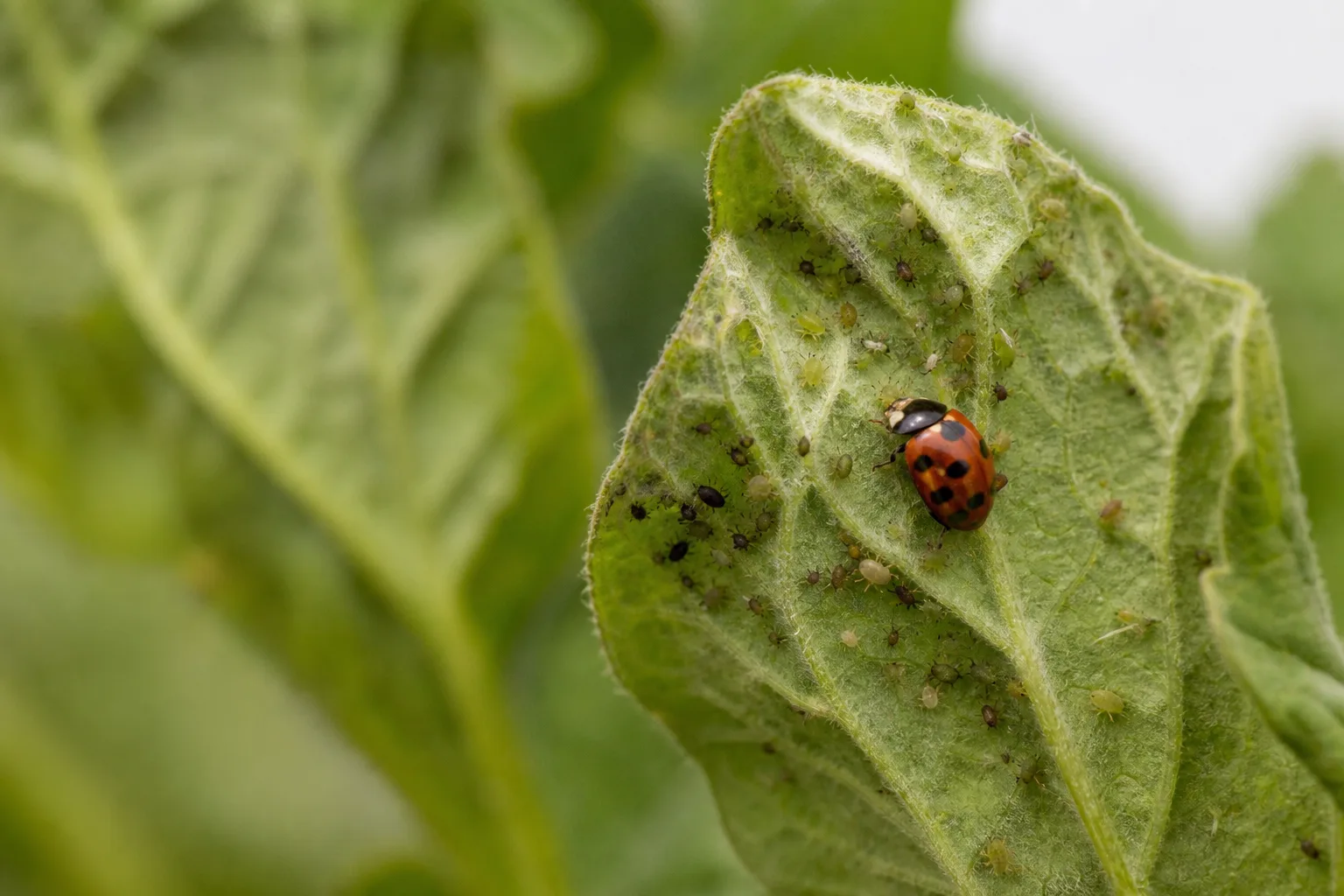
Yes, banker plants can help keep beneficial predators in the garden by offering shelter and alternative, non-pest prey between pest outbreaks. I would use a small, monitored planting beside the crop, not one unsupervised sacrificial plant, because the whole plan fails if the prey spills into your food plants.
What is a banker plant in a home garden?
A banker plant is a non-crop plant or small planting that supports beneficial predators with shelter and alternative prey when your edible crops have few pests. Its job is not to stay perfectly clean. Its job is to keep an insect-eating workforce nearby, then stop before the nursery becomes a real infestation.
The phrase sounds grander than the practice. You are setting aside a plant that can host harmless or less damaging prey, so lady beetles and other predators have something to find after an aphid outbreak collapses. Research on non-crop habitats describes shrubs, trees, and flowering herbaceous plants as places that provide shelter and alternative prey for natural enemies between outbreaks. UGA Extension explains the same habitat principle in its discussion of natural enemies in crop systems.
I like the idea, with one hard boundary: the banker plant stays outside the harvest row. Put it 2 to 6 feet from the crop, close enough for predators to move through, but far enough that you can inspect both areas without pretending you did.
This is habitat design, not a magic insect delivery service. You are not buying a jar of lady beetles and hoping they remember your address. You are building a little rest stop that can remain useful after the original pest population disappears.
Does a banker plant really keep predators around between outbreaks?
A banker plant can help predators remain in or near a garden between outbreaks because it offers shelter and alternative, non-pest prey when crop pests are scarce. That does not guarantee a fixed population or prevent every outbreak, but it improves the odds that beneficial insects are present before pests multiply.
That distinction matters. The research supports maintaining non-crop habitat around or within planting areas to sustain natural enemies when pests are not abundant, but the provided sources do not give a complete home-garden recipe for banker plants. So I will not dress up a recommendation as a proven Austin formula.
The strongest argument is timing. If predators arrive only after your cabbage, beans, or citrus are visibly covered in pests, they are already behind. A standing habitat gives them somewhere to shelter in the quiet weeks, then a nearby crop to patrol when prey appears.
A three-decade study of lady beetles also points to a broader lesson: predator abundance and predation services can change over time across annual and perennial habitats, rather than behaving like a faucet you turn on once. Read the study here. That is why I prefer a permanent or repeatable habitat edge over a one-week flower display.
Which plants can serve as banker plants in Austin this fall?
In Austin, choose a hardy shrub, small tree, or flowering herbaceous plant that can provide cover and alternative prey without sharing the exact pest problem of your crop. For fall, I would choose a non-crop flowering plant with dense foliage, place it near the garden, and judge it by weekly inspection rather than by a plant label promising “beneficial insects.”
The research names habitat types, not a precise list of banker-plant species. That is useful. It keeps us from pretending that one cultivar is a universal answer from Miami to Central Texas, where alkaline clay, limestone, drought, and sudden freezes all get a vote.
For a practical shortlist, consider a flowering herbaceous plant that tolerates your light and soil, a shrub with twiggy shelter, or an existing small tree at the garden edge. Each has a cost. Herbaceous plants may die back after a freeze, shrubs take space and water, and trees can shade vegetables or compete for moisture.
Do not place a milkweed beside a crop simply because it attracts insects. Milkweed supports specialist herbivores, and those insects can store plant toxins at a physiological cost to themselves, according to the Max Planck Society. That research is here. Milkweed can be valuable habitat, but it is not automatically the right banker plant for every predator or vegetable bed.
My fall rule is plain: use what is already healthy in your yard before buying a special plant. A well-placed shrub or flowering perennial that survives your conditions is more useful than a fussy specimen that needs daily rescue. I have killed enough “perfect” plants to know the label is not the boss of the yard.
How should you set up a banker plant this fall?
Set up a banker plant by placing one monitored non-crop plant or a small habitat cluster 2 to 6 feet from the crop, leaving access on all sides, and checking it and the crop once a week. Start with one unit in fall, record what insects appear, and remove or prune it if prey spreads toward edible plants.
Right now, in fall, clear weeds that touch the crop, check the plant for sheltering foliage, and leave a thin layer of leaf litter only where it will not stay soggy against stems. Central Texas clay can hold water through a cool spell, then bake hard when the sun returns. Your banker plant still needs drainage and air movement.
Keep the planting small. One plant or a group occupying roughly 2 to 4 square feet is enough for a first trial in a home garden. Larger is not automatically better. More foliage means more inspection time, more irrigation in a restricted-water summer, and more room for a problem to hide.
Put a simple date on your calendar for every seven days. Look at new growth, leaf undersides, stems, and the soil surface. Count the kind of prey you see, not just the number of insects, because “bugs everywhere” is not a management plan.
If you are reworking the whole bed, the plant database can help you compare plants by mature size, light, and growing conditions before you give a banker plant a permanent address. For a layout that keeps the habitat close without crowding your harvest row, you can also get a concept for your yard.
Should the banker plant be next to vegetables or farther away?
A banker plant should be near enough to the crop that predators can move between habitat and vegetables, but not so close that you cannot inspect or remove it. For most home beds, I would begin 2 to 6 feet away, with a clear path around both plantings and no foliage pressed against the edible crop.
Everyone says “put companion plants everywhere.” In practice, a crowded bed makes monitoring harder, and a plant you cannot inspect is not a banker plant. It is a hiding place with excellent public relations.
Keep the habitat on the side of the bed that receives similar light and irrigation. A thirsty shrub beside a low-water vegetable patch creates competition, while a shade-loving plant on the bright south edge will suffer and stop doing its job.
If deer already browse your yard, protect the banker plant before you count on it. Deer pressure is not a minor detail in Austin. A plant eaten to the ground cannot offer shelter, and a deer fence or cage has its own cost in money, appearance, and access.
What is the difference between a banker plant and a sacrificial plant?
A banker plant is maintained mainly to support beneficial predators with shelter and alternative prey, while a sacrificial plant is deliberately allowed to attract or absorb pests so the main crop suffers less. They can overlap, but the banker approach is safer when the prey is non-pest or low-risk and the plant is inspected often.
The phrase “sacrificial plant” can make people too brave. If you knowingly grow a plant covered in aphids beside lettuce, you have created a food bridge, not a guarantee that predators will eat every aphid before the lettuce is affected.
Here is the trade-off between the real options:
| Approach | Best use | Honest downside |
|---|---|---|
| Banker plant or habitat cluster | Supporting predators between outbreaks | Requires weekly monitoring and space outside the crop |
| Sacrificial crop plant | Drawing a manageable pest population away from the main crop | Can multiply pests and spread them into edible plants |
| Clean, isolated crop bed | Simple inspection and harvest access | Offers less shelter when predators have little prey |
I would choose the banker plant or habitat cluster. It follows the research-supported idea of non-crop habitat without asking you to maintain a pest reservoir beside dinner. Use a sacrificial plant only when you can identify the prey, inspect every week, and remove it quickly if the main crop starts showing damage.
Who should use banker plants, and who should skip them?
Banker plants suit gardeners with a permanent bed, a nearby crop that regularly attracts pests, and enough time to inspect both plant and crop every seven days. Skip the method if you cannot monitor it, if the planting is already crowded, or if a spreading pest would threaten a small food garden before you could remove the host.
This is a good fit for a homeowner growing fall greens, herbs, or vegetables in a bed that will be used again next season. It also suits anyone willing to reserve 2 to 4 square feet for habitat instead of squeezing every last plant into the harvest space.
It is a poor fit for a balcony where one infested pot is the whole garden. It is also a poor fit for a yard under severe deer pressure unless the banker plant can be protected. A method that adds inspection, irrigation, and fencing is not free just because the plant costs $8.
Ask yourself a real question: will you look under the leaves next Saturday? If the answer is no, choose a simpler garden layout and buy yourself time, not another clever system.
How do you know when a banker plant is helping instead of breeding pests?
A banker plant is helping when it shows sheltered insect activity without sustained damage spreading into the crop, and when beneficial predators are present during low-pest weeks. It is breeding pests when prey numbers rise each week, crop leaves show fresh damage, or the same pest moves from the banker plant into harvest plants.
Use a three-week test in fall. Week one, photograph the banker plant and crop. Week two, compare new growth and leaf undersides. Week three, decide whether the habitat is stable, improving predator presence, or acting like a pest nursery.
Watch for fresh distortion, stippling, sticky residue, chewing, or clusters of insects moving toward the crop. These signs do not identify every pest, so use the plant database for plant context and take a clear close-up before choosing a response.
If the banker plant is failing, prune out the worst section, move the pot farther from the crop, or remove the plant entirely. Do not wait for a perfect diagnosis while your harvest plants decline. The standing army is supposed to protect the garden, not demand a peace treaty.
Should you use pesticides around a banker plant?
Avoid routine broad pesticide use around a banker plant because the purpose of the habitat is to preserve natural enemies and their alternative prey. If a treatment becomes necessary, identify the target first, protect the edible crop, and follow the product label, recognizing that control can also remove the predators you were trying to keep.
This is the part people skip. A habitat full of predators is not useful if every insect receives the same treatment on the same day. The UGA resource frames natural enemies as part of pest management in crop systems, which supports treating habitat as infrastructure rather than decoration.
Do not spray because you saw one aphid. Check the crop, check the banker plant, and check again in seven days. A single pest is information. A rising population with fresh plant damage is a management problem.
I am not promising that banker plants replace every control. Austin has hot stretches, February freezes, hail in April, and water restrictions that can stress both plants and insects. I am saying the habitat gives predators a better chance to be present before the next outbreak, and that is a smarter first move than keeping the whole garden sterile.
What should you do with a banker plant before winter?
Before winter, keep the banker plant in place if it remains healthy and does not spread damaging prey, then trim only dead or diseased growth and protect the root zone from extreme drying. If a February 2021 style freeze is forecast, decide whether the plant can recover, needs protection, or should be replaced rather than carrying a weak pest nursery into spring.
Fall is a useful setup season because you can see what survives your yard before summer makes every decision dramatic. Mark the plant’s location, note its irrigation needs, and record whether predators or alternative prey appeared during the next four to eight weeks.
Do not fertilize a stressed plant heavily just to force soft new growth. Tender growth can create more maintenance, and the plant still has to face cold, clay, drought, and the occasional hailstorm. The trade-off is simple: a durable plant that grows moderately is better habitat than a lush diva you must constantly rescue.
If the plant dies after a freeze, that is not a moral failure. My abuela taught me to notice what a patio gives back, and Central Texas taught me to notice what it takes away. Keep the lesson, replace the plant only if the location and monitoring plan still make sense.
What is the simplest banker-plant plan for a fall garden?
The simplest fall plan is to choose one durable non-crop plant or small habitat cluster, place it 2 to 6 feet from the crop, inspect both every seven days for three weeks, and keep it only while it supports shelter and alternative prey without spreading damaging pests. That small trial gives you evidence before you spend more space, water, or money.
Start with what you have. A healthy shrub, small tree edge, or flowering herbaceous plant can provide habitat, and the research supports those broad habitat categories without naming one magic species for every garden.
Next, make the banker plant visible from the path. If you have to move a hose, kneel in mud, and squeeze between tomato cages to inspect it, you will stop checking it by Thanksgiving. Design for the tired version of yourself.
Finally, keep notes. Date, plant condition, prey type, predator sightings, crop damage, and your decision. The goal is not a perfect insect kingdom. It is a garden where beneficial predators have somewhere to wait, and where you still know what is happening before breakfast.
Can banker plants keep beneficial predators in the garden between pest outbreaks?
Yes, banker plants can help keep beneficial predators in the garden between pest outbreaks by providing shelter and alternative, non-pest prey. They do not guarantee predator numbers or eliminate every pest, so place the plant near the crop, inspect it weekly, and remove it if prey spreads or crop damage increases.
How far should a banker plant be from vegetables?
Place a banker plant about 2 to 6 feet from vegetables as a starting point. That distance keeps habitat close to the crop while preserving access for inspection and removal. Adjust it for light, irrigation, mature size, deer pressure, and whether foliage begins touching the edible plants.
How often should you inspect a banker plant?
Inspect a banker plant once every seven days during the first three weeks, checking new growth, leaf undersides, stems, soil surface, and nearby crops. Continue weekly checks if prey or crop pests are active. More frequent checks are sensible after unusually warm weather or visible damage.
What should you do if pests spread from the banker plant?
If pests spread from the banker plant, prune out the affected section, move the plant farther from the crop, or remove it entirely. Do not wait for predators to solve a growing infestation while edible plants decline. The banker plant is a tool, and a tool that increases crop damage has failed its assignment.
Can any flowering plant be a banker plant?
No, any flowering plant is not automatically a banker plant. A useful choice must provide suitable shelter or alternative prey, tolerate the site, and remain manageable beside the crop. Flowering plants can attract insects, but the provided research supports broad habitat types rather than a universal species list or guaranteed home-garden combination.
Should you buy beneficial insects for a banker plant?
No, you do not need to buy beneficial insects to begin a banker-plant trial. Start by providing habitat and monitoring the insects already using your garden. Purchased insects may leave, fail to establish, or be affected by later pesticide use, while a durable habitat can support natural enemies over a longer period.
More questions people ask about this
Can any flowering plant be a banker plant?
No, any flowering plant is not automatically a banker plant. A useful choice must provide suitable shelter or alternative prey, tolerate the site, and remain manageable beside the crop. The provided research supports broad habitat types rather than a universal species list or guaranteed home-garden combination.
Want a plan for your own yard?
Tell us the space and we will put a planting plan together for it. Start at get my concept, or browse what actually grows where you are over on plants.
Frequently asked questions
Can banker plants keep beneficial predators in the garden between pest outbreaks?
Yes, banker plants can help keep beneficial predators in the garden between pest outbreaks by providing shelter and alternative, non-pest prey. They do not guarantee predator numbers or eliminate every pest, so place the plant near the crop, inspect it weekly, and remove it if prey spreads or crop damage increases.
How far should a banker plant be from vegetables?
Place a banker plant about 2 to 6 feet from vegetables as a starting point. That distance keeps habitat close to the crop while preserving access for inspection and removal. Adjust it for light, irrigation, mature size, deer pressure, and whether foliage begins touching the edible plants.
How often should you inspect a banker plant?
Inspect a banker plant once every seven days during the first three weeks, checking new growth, leaf undersides, stems, soil surface, and nearby crops. Continue weekly checks if prey or crop pests are active. More frequent checks are sensible after unusually warm weather or visible damage.
What should you do if pests spread from the banker plant?
If pests spread from the banker plant, prune out the affected section, move the plant farther from the crop, or remove it entirely. Do not wait for predators to solve a growing infestation while edible plants decline. The banker plant is a tool, and a tool that increases crop damage has failed its assignment.
Can any flowering plant be a banker plant?
No, any flowering plant is not automatically a banker plant. A useful choice must provide suitable shelter or alternative prey, tolerate the site, and remain manageable beside the crop. The provided research supports broad habitat types rather than a universal species list or guaranteed home-garden combination.
Should you buy beneficial insects for a banker plant?
No, you do not need to buy beneficial insects to begin a banker-plant trial. Start by providing habitat and monitoring the insects already using your garden. Purchased insects may leave, fail to establish, or be affected by later pesticide use, while a durable habitat can support natural enemies over a longer period.
Free, no obligation
Ready to design your dream landscape? Start here.
Tell us where you are and we will start a free profile for you, with plants that actually survive your climate and a real sense of what the build would cost.